

Transfer printing on workwear and branded clothing
Decoration method
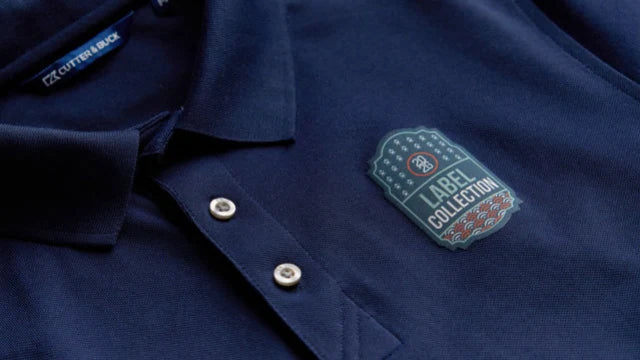
Transfer is pressed onto the garment with heat: cut vinyl, screen printed transfer or digital film. Flexible for small quantities, names, shell garments and hi-vis garments with certified transfers.

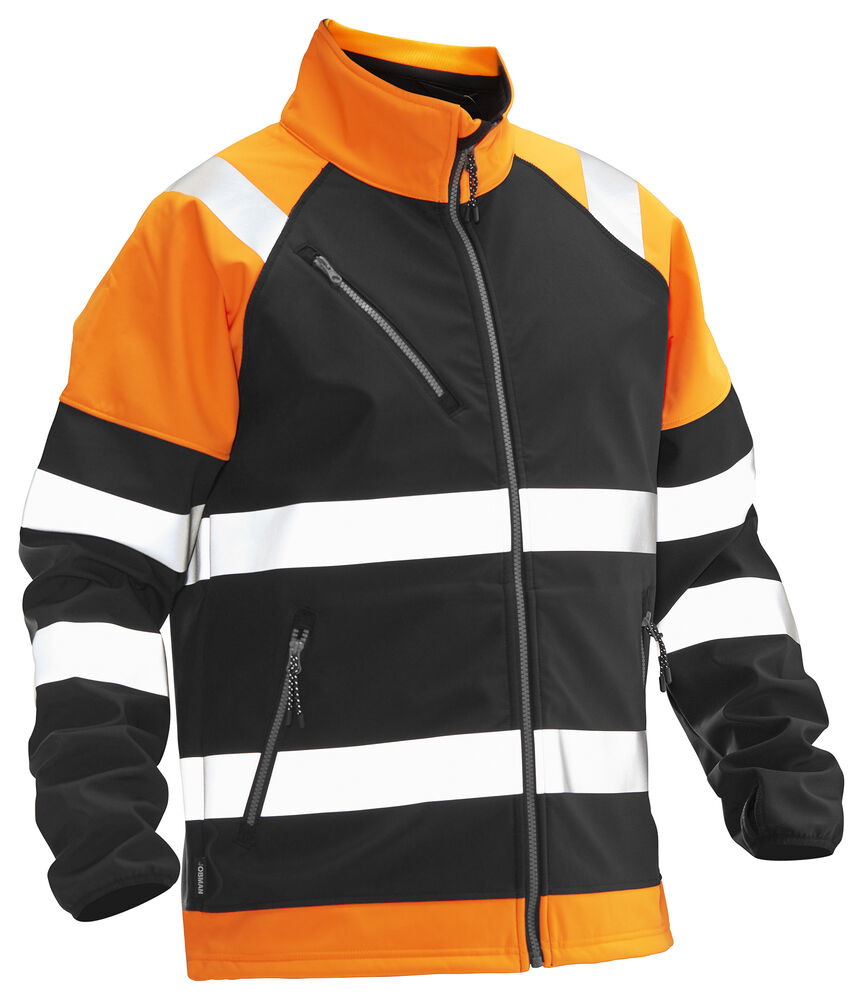



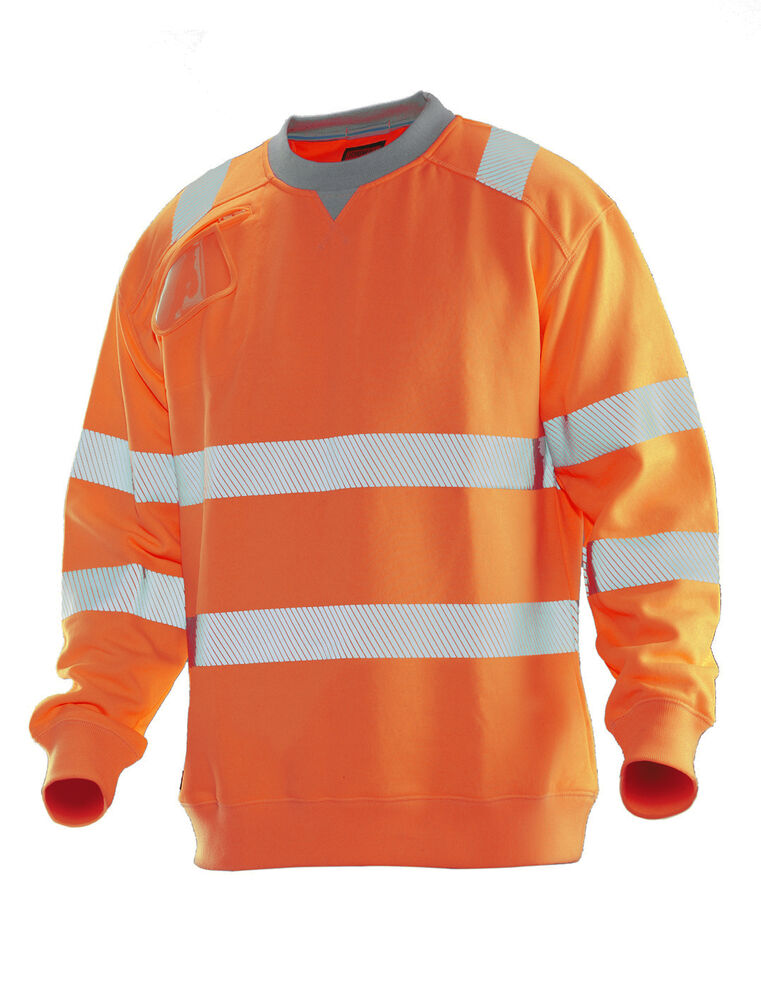
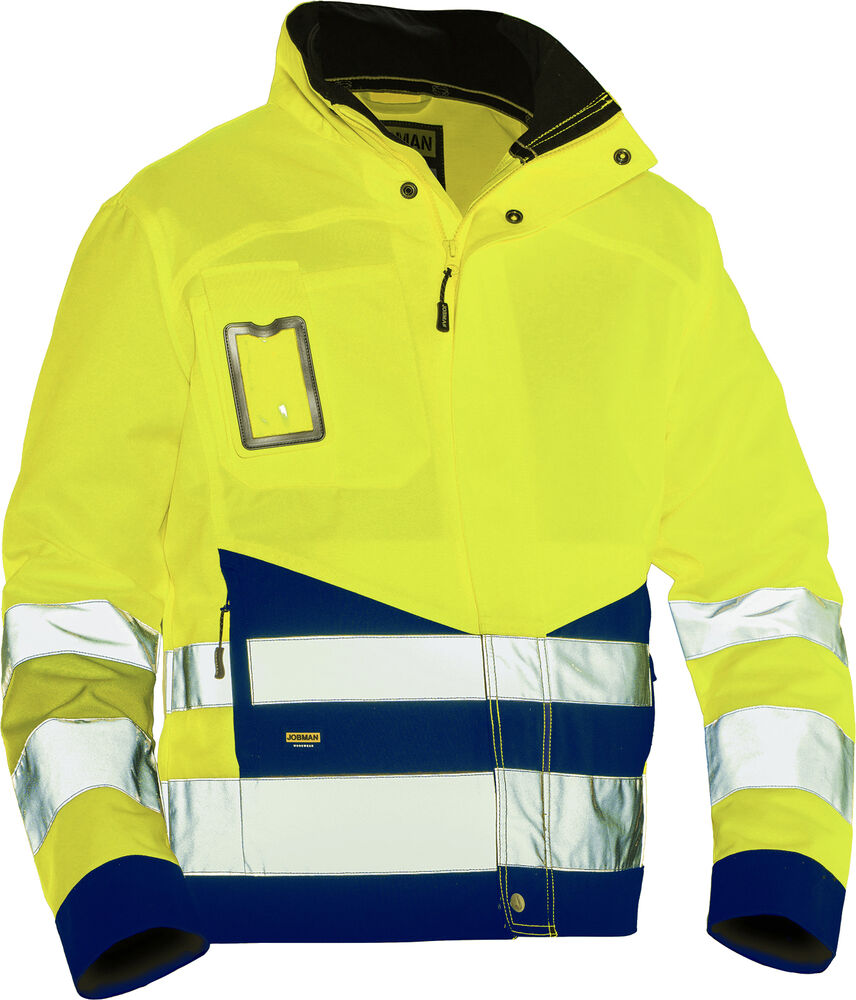
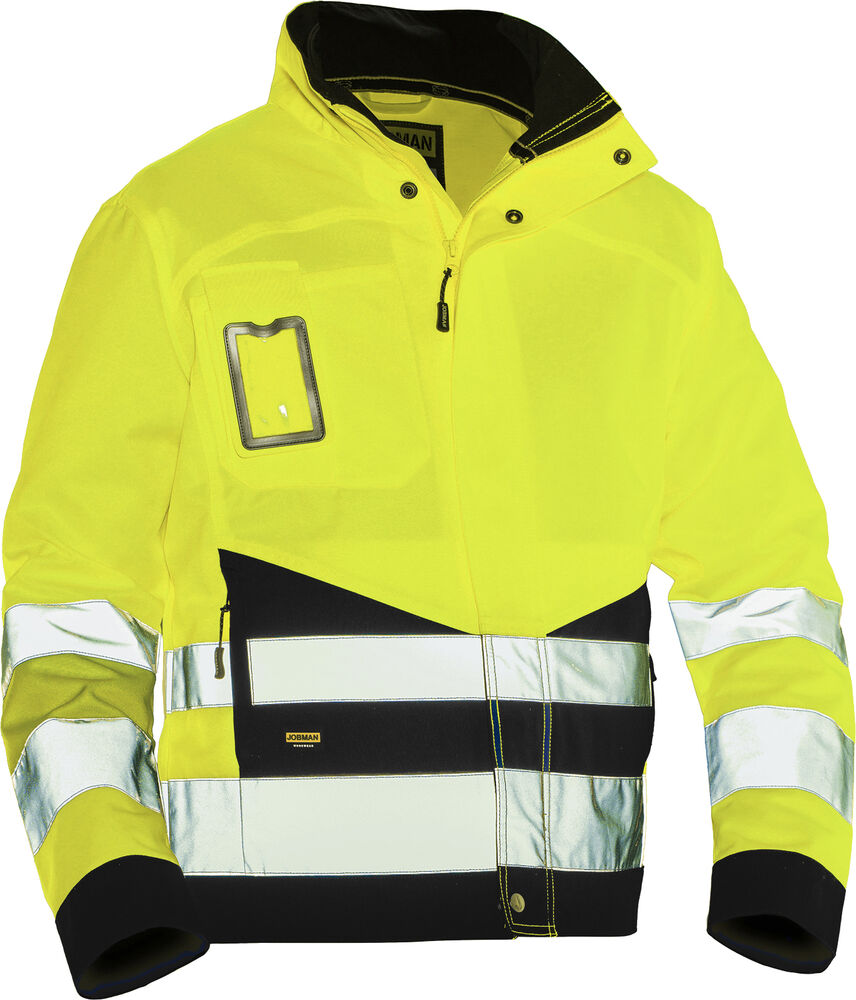
Hi-vis clothing





How it works
The design is first made on a carrier film, as cut vinyl in one colour, as screen printed transfer in several colours or as digitally printed film, and is then pressed onto the garment with heat and pressure.
Since the garment is not perforated, transfer suits shell garments and technical materials, and for hi-vis garments there are certified transfers that preserve the class. Transfer is also available as reflective transfer and as full colour transfer in CMYK.
Guide: Transfer printing and screen printing: difference, price and the right choice
The right garment for the method
Suitable for
- Shell garments, technical garments and sportswear
- Hi-vis clothing, with certified transfer
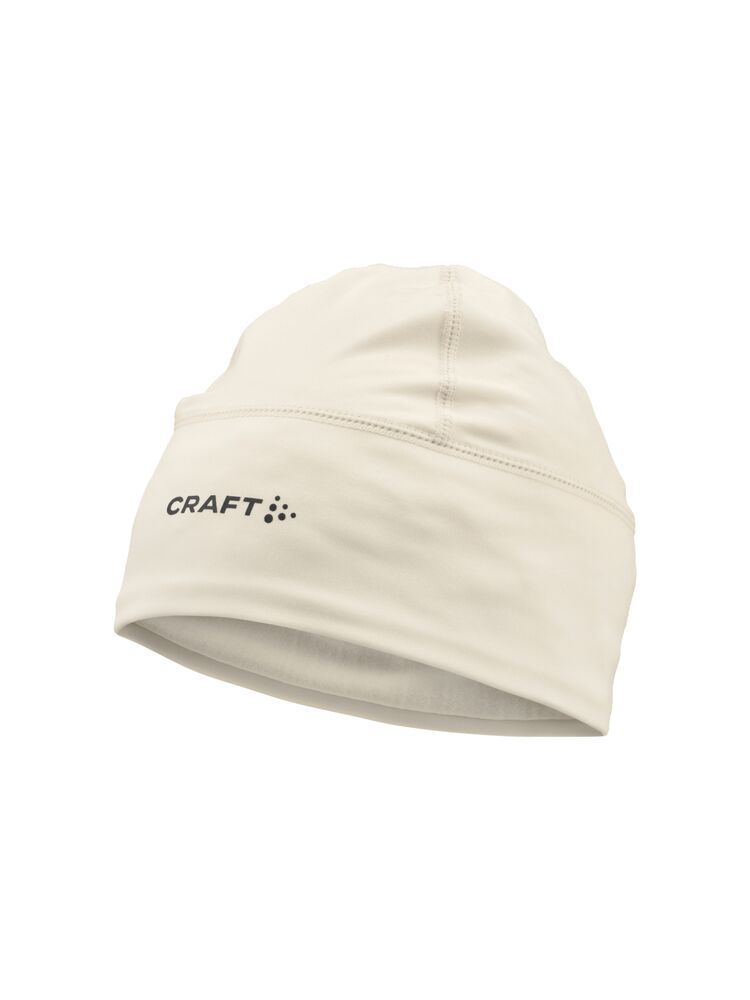
- Beanies, caps and bags, where it is difficult to print directly
- Names and numbers per garment
- Small quantities and mixed garments
Less suitable for
- Very large runs, where screen printing gives a lower unit price
- Garments exposed to hard wear over a long time

What determines the price
Frequently asked questions
The price depends on the transfer's size and number of colours, the application per garment and the number of placements. On top of that comes a setup cost once per order and design. The same logo in the same placement is added up across sizes and garments when the price tier is chosen. You get the exact price in the quote.
Yes, transfer is often the right method on workwear. It adheres without making holes in the fabric, so shell garments and technical garments keep their tightness, and on hi-vis clothing certified transfer is used, which preserves the class. Names and numbers per garment also work well. With hard wear over a long time, embroidery or screen printing lasts longer.
Yes. Transfer is available as reflective transfer and is pressed on in the same way as other transfer. On hi-vis clothing certified transfer is used, and the print must not cover so much of the fluorescent surface that the garment loses its class. Write in the enquiry that you want reflective, and you will get method, proof and price.
Transfer suits small quantities, mixed garments, names per garment, shell garments and hi-vis. Screen printing gives a lower unit price in large runs of t-shirts and similar garments, in one to three colours. The guide on transfer printing and screen printing goes through the difference in detail.
Other methods
Methods often compared with transfer printing.


Send your logo and we will produce a proof.
No obligation.
Request a quote