

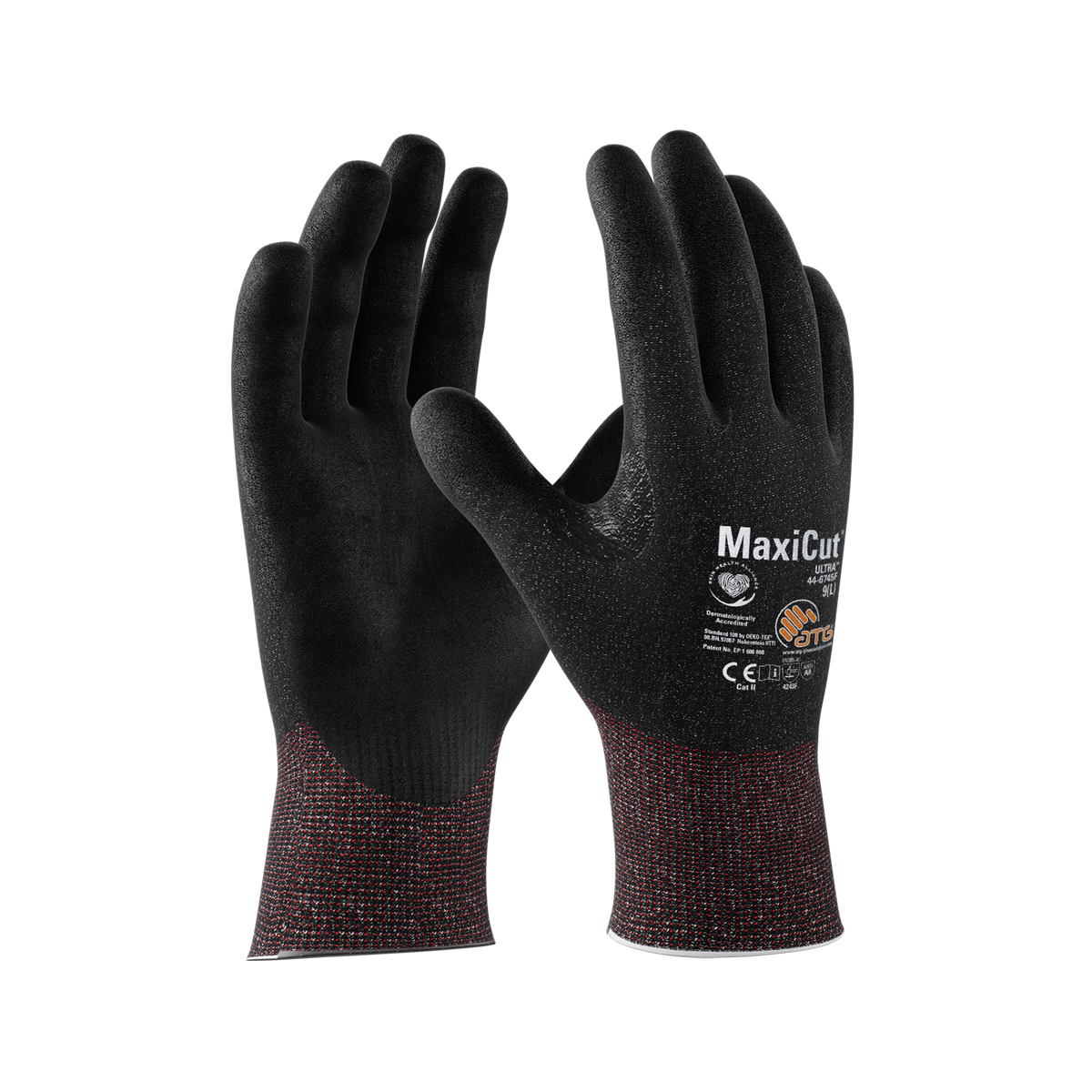
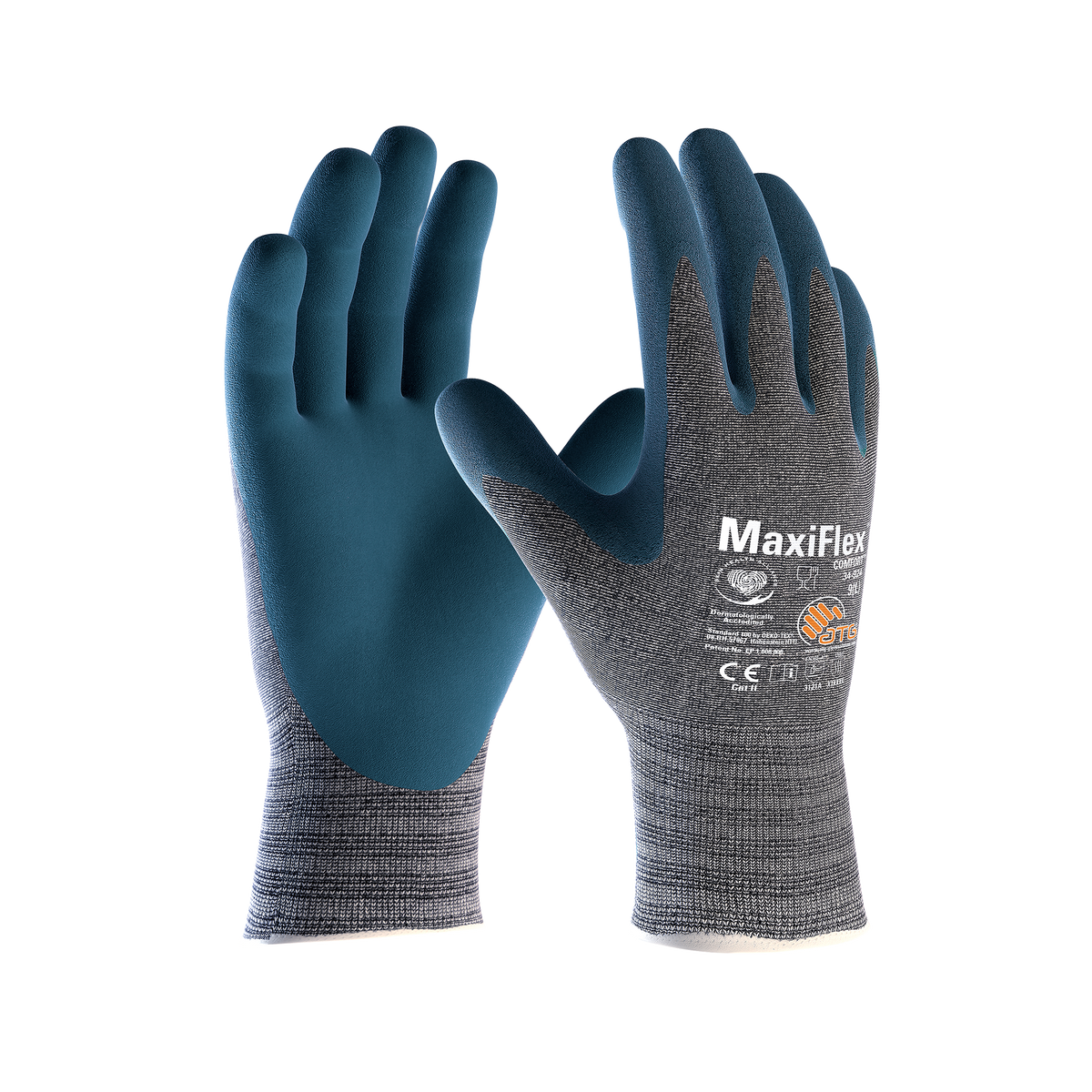

About gloves
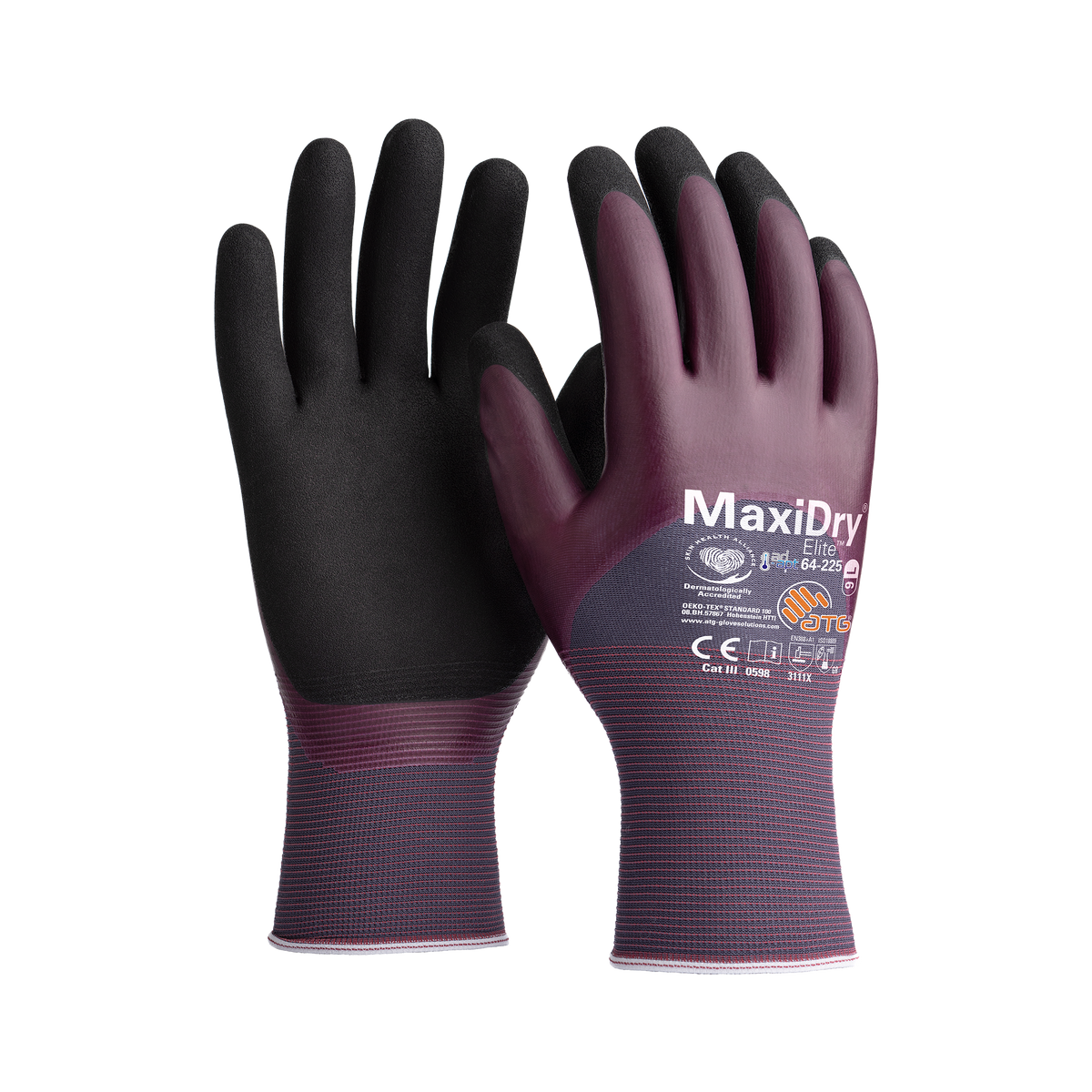
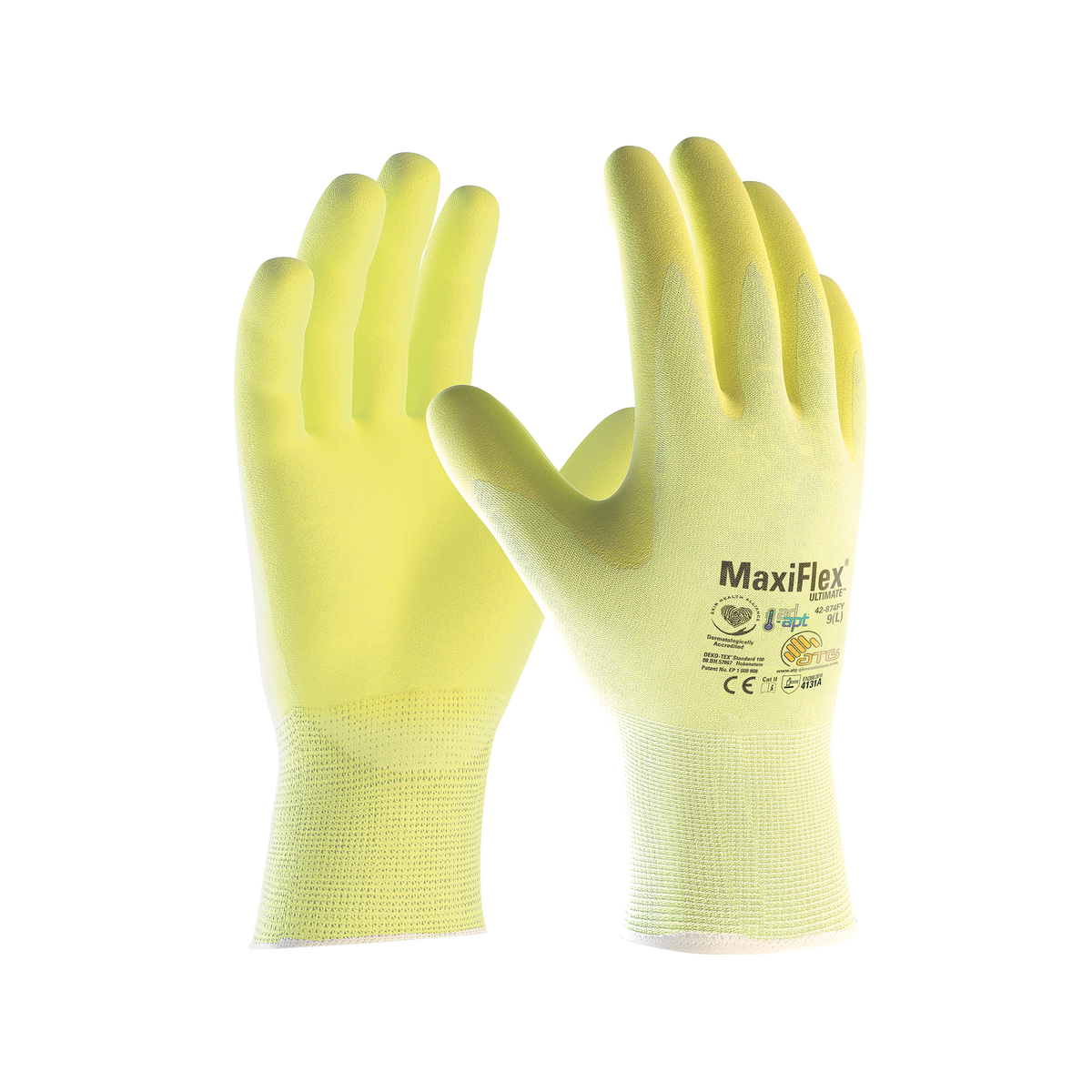
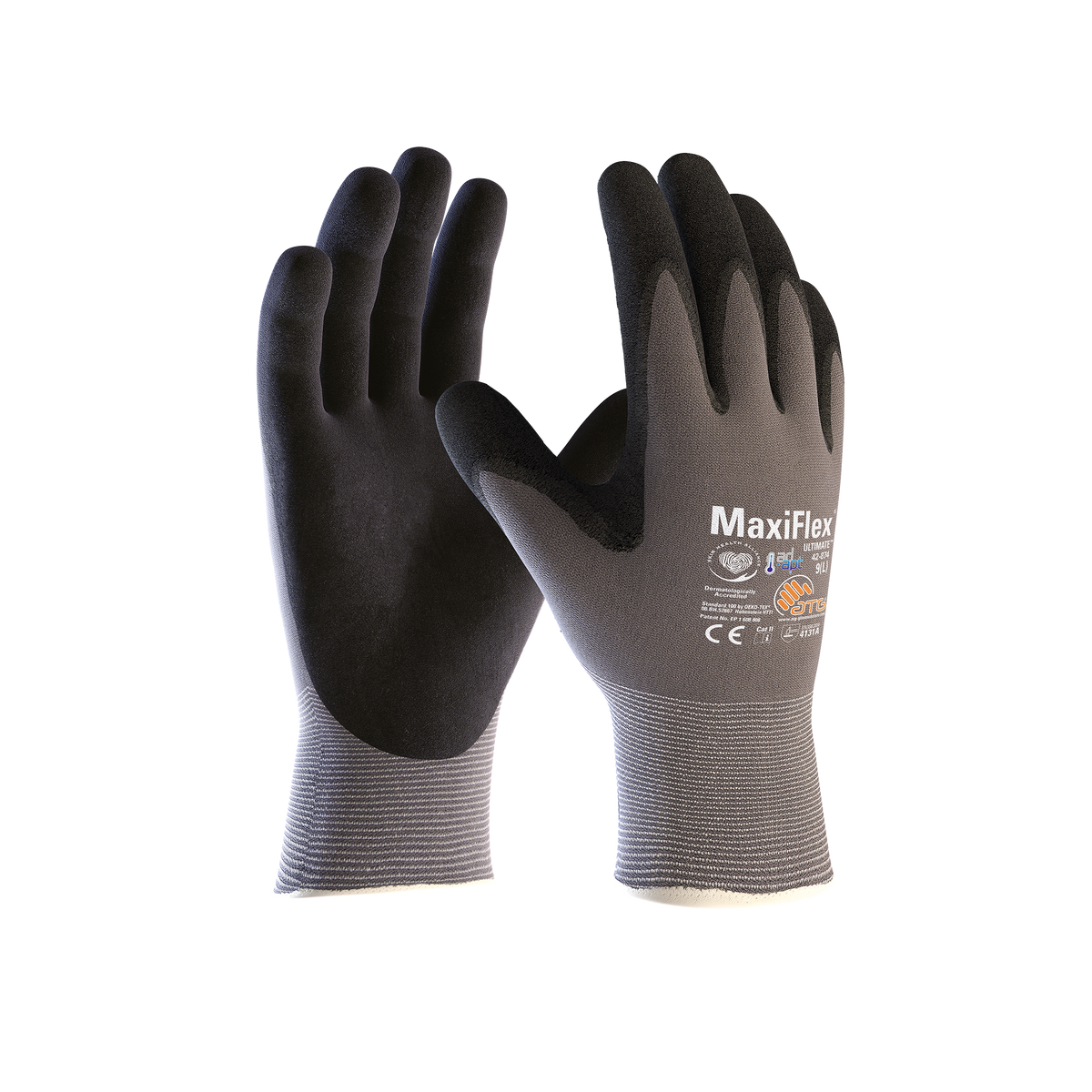
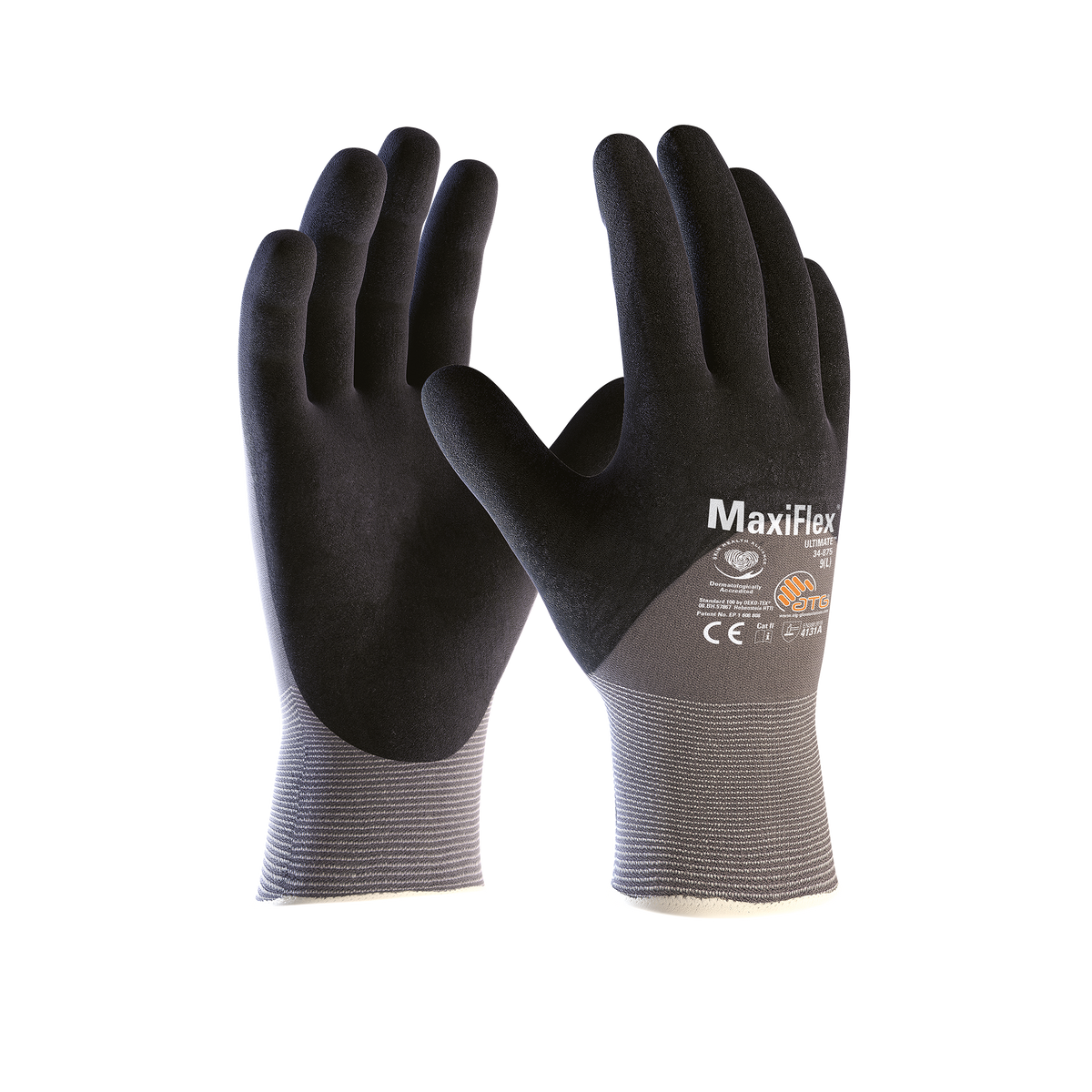
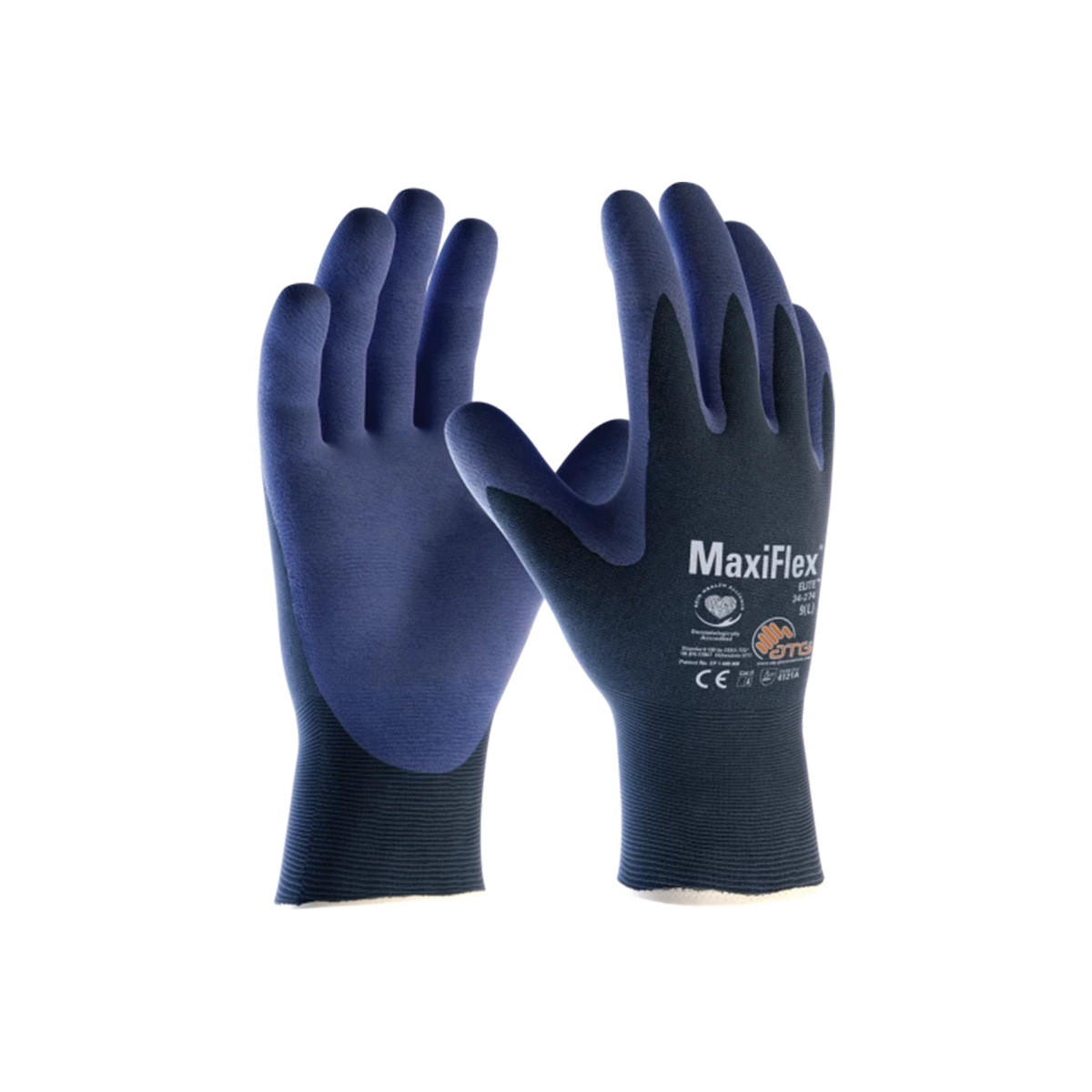
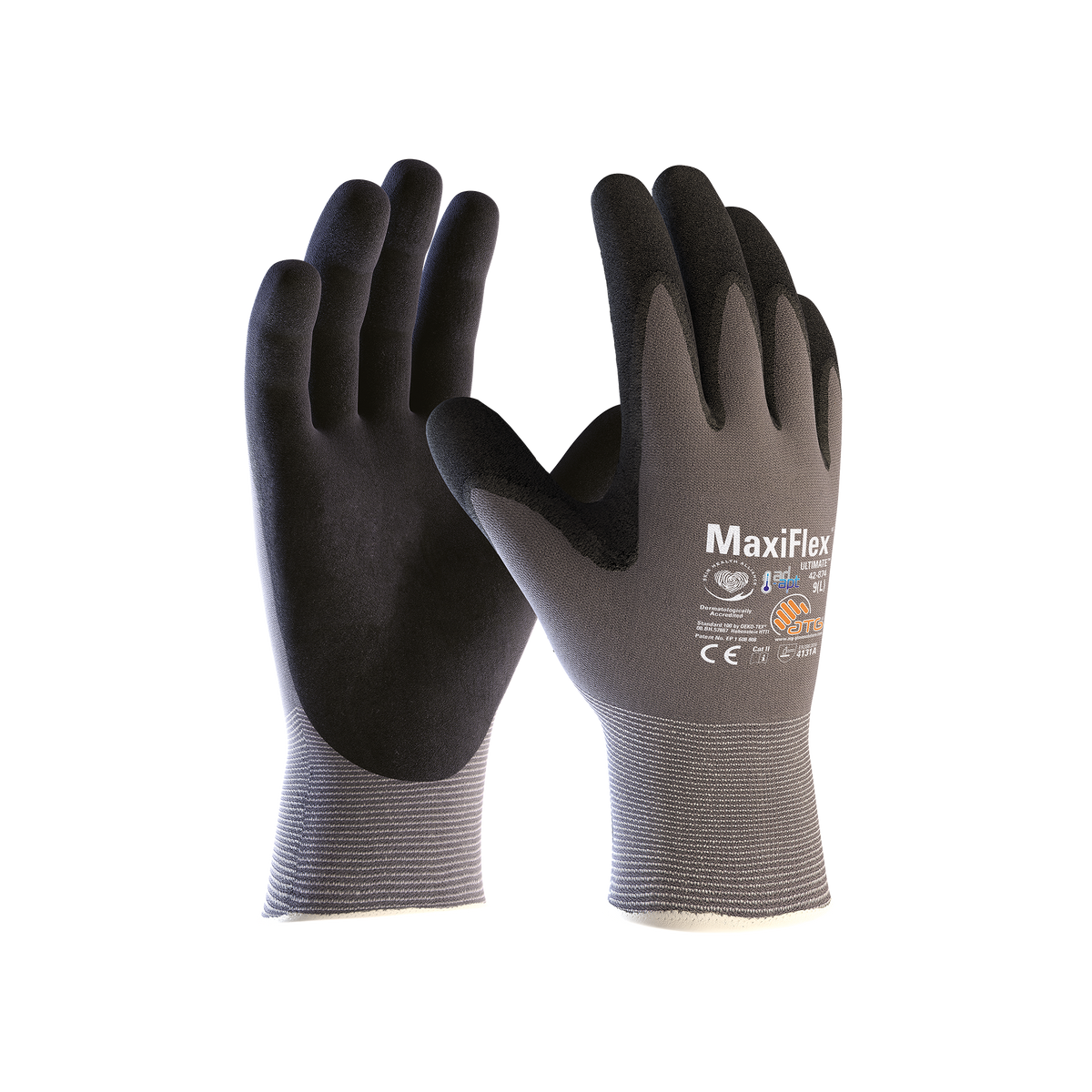
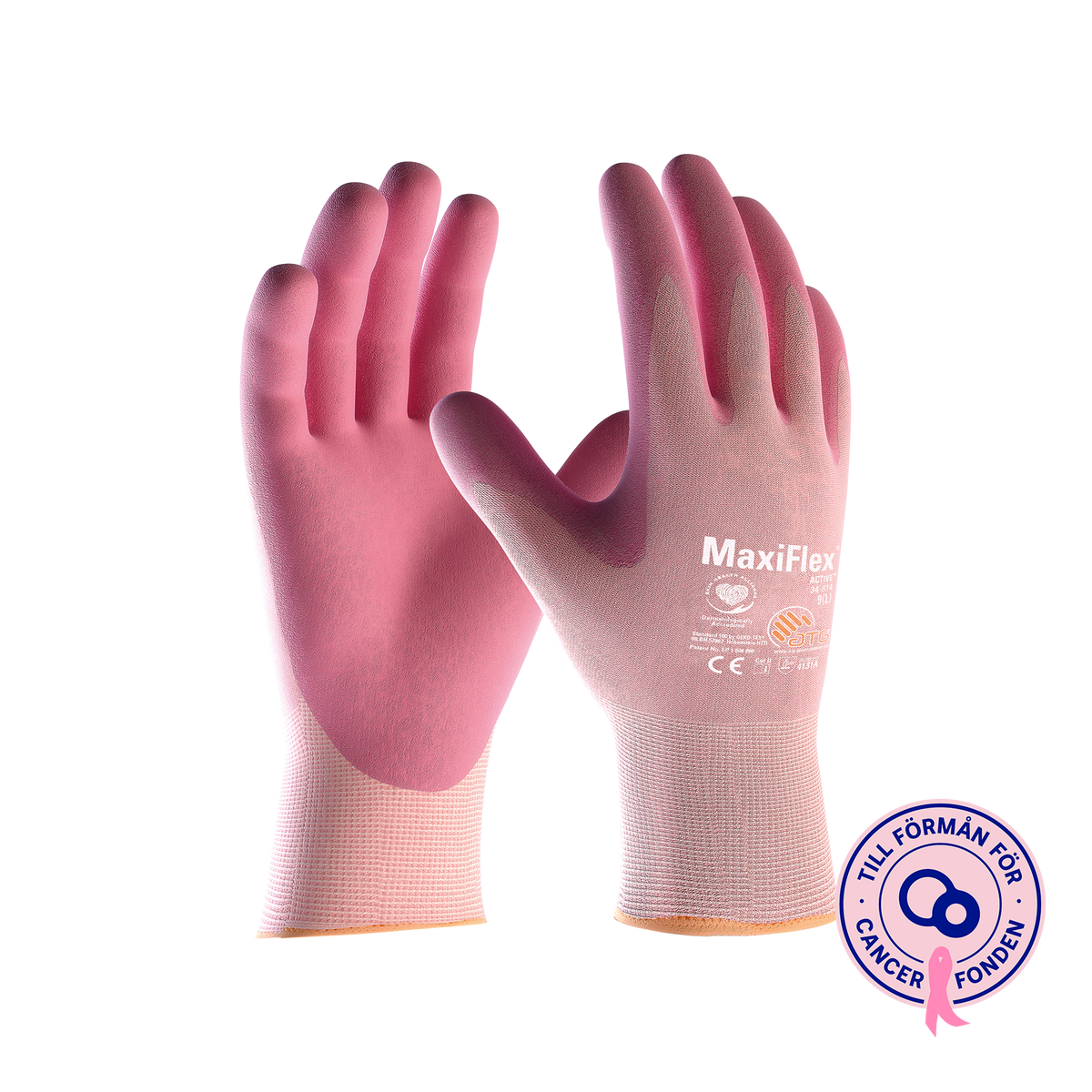
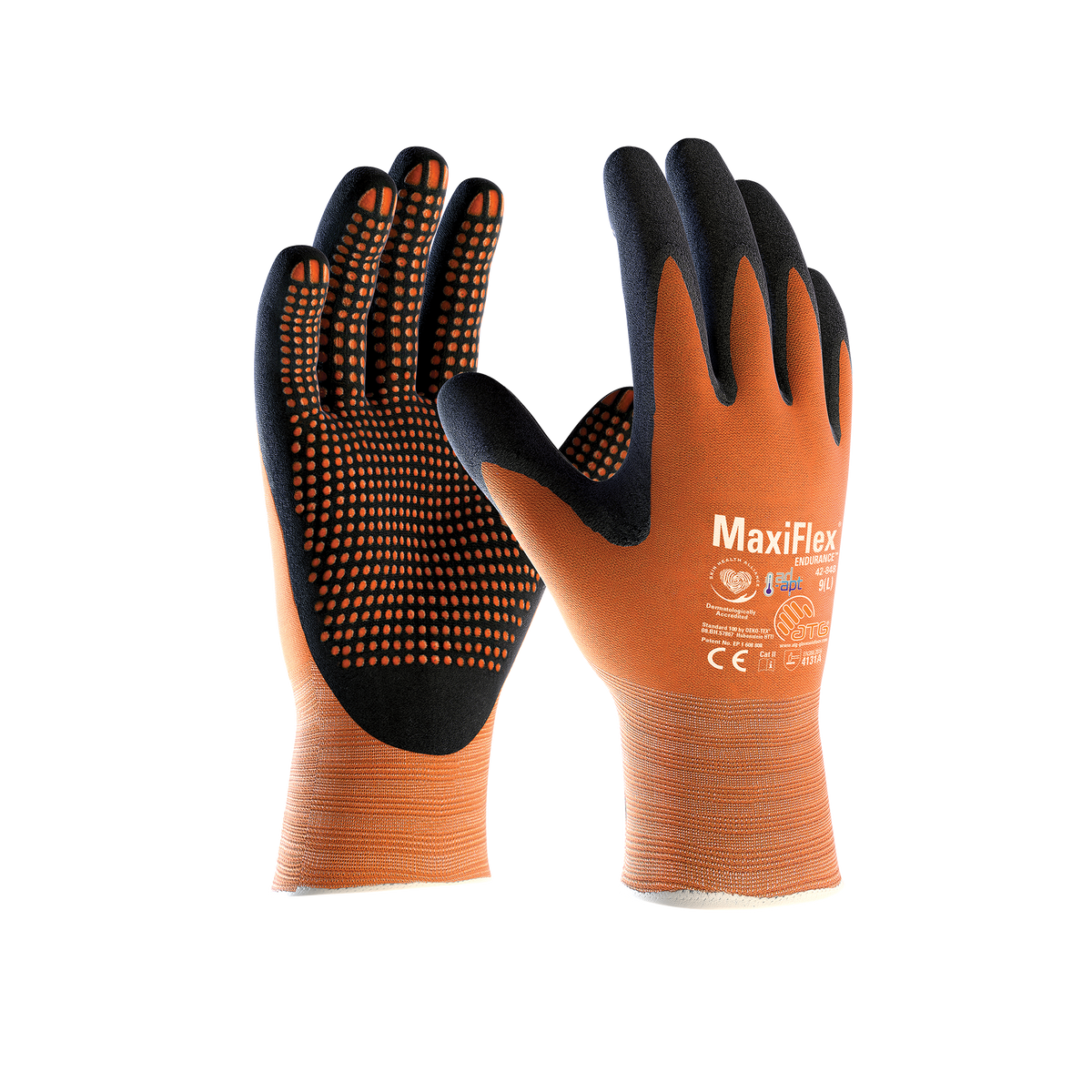
Start with the risk assessment and choose one glove per task instead of one glove for everything. EN 388 applies to mechanical risks such as abrasion, cut, tear and puncture, EN ISO 374 to chemicals and EN 407 to heat. Standard and level are shown on the product when the supplier has documented them. The size is saved per person in the company portal, so the next pair is right. Contract customers see their prices when they log in.
How to read the EN 388 marking
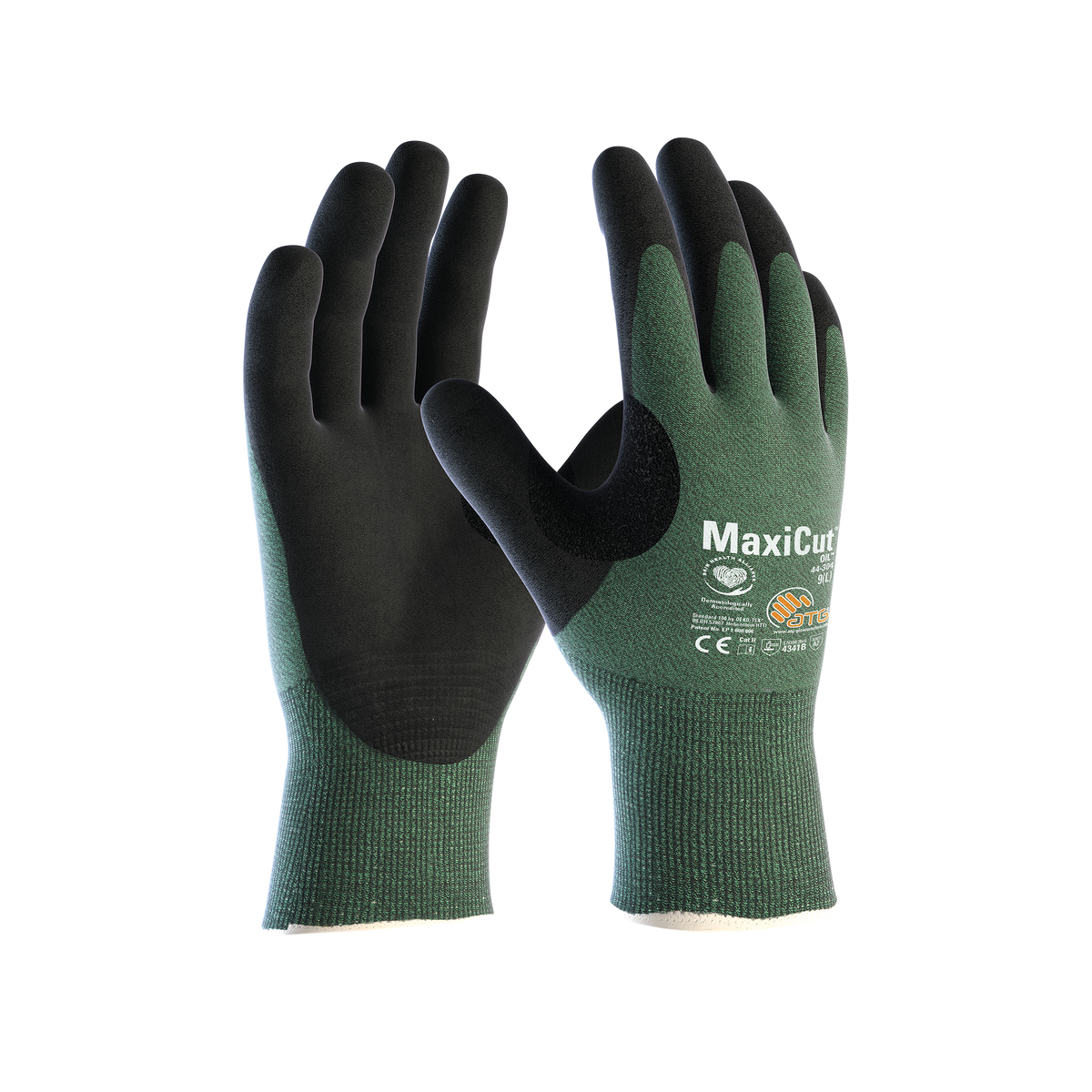
Under the symbol for EN 388 there are up to six characters. The first four state abrasion (0 to 4), cut according to the coupe test (0 to 5), tear strength (0 to 4) and puncture (0 to 4). The fifth position is a letter, cut protection A to F according to the TDM test in EN ISO 13997, where F is the highest. A P in sixth place means that the glove is tested for impact protection. X means that the test has not been performed or is not applicable to the glove.
Cut resistant gloves: compare the letter A to F
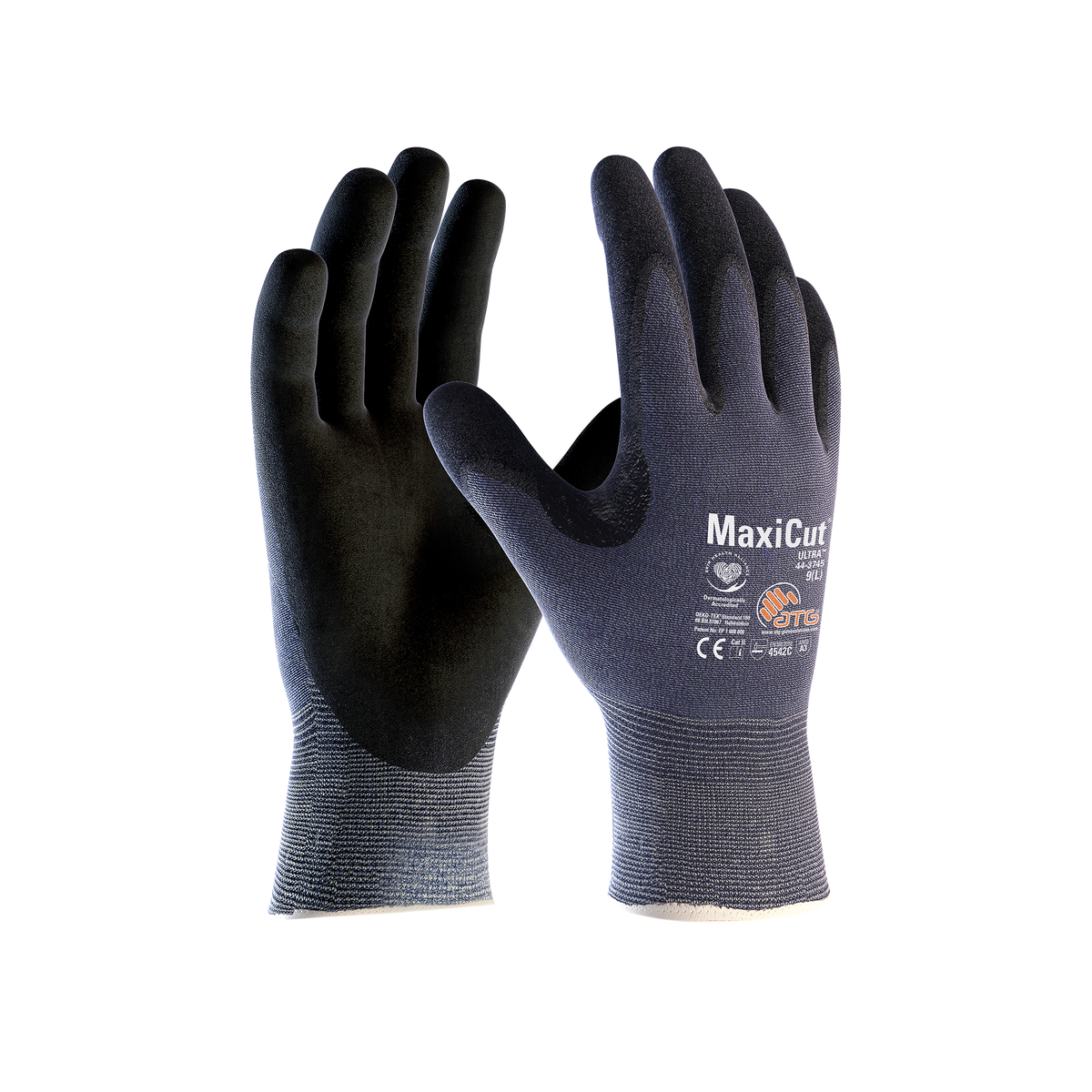
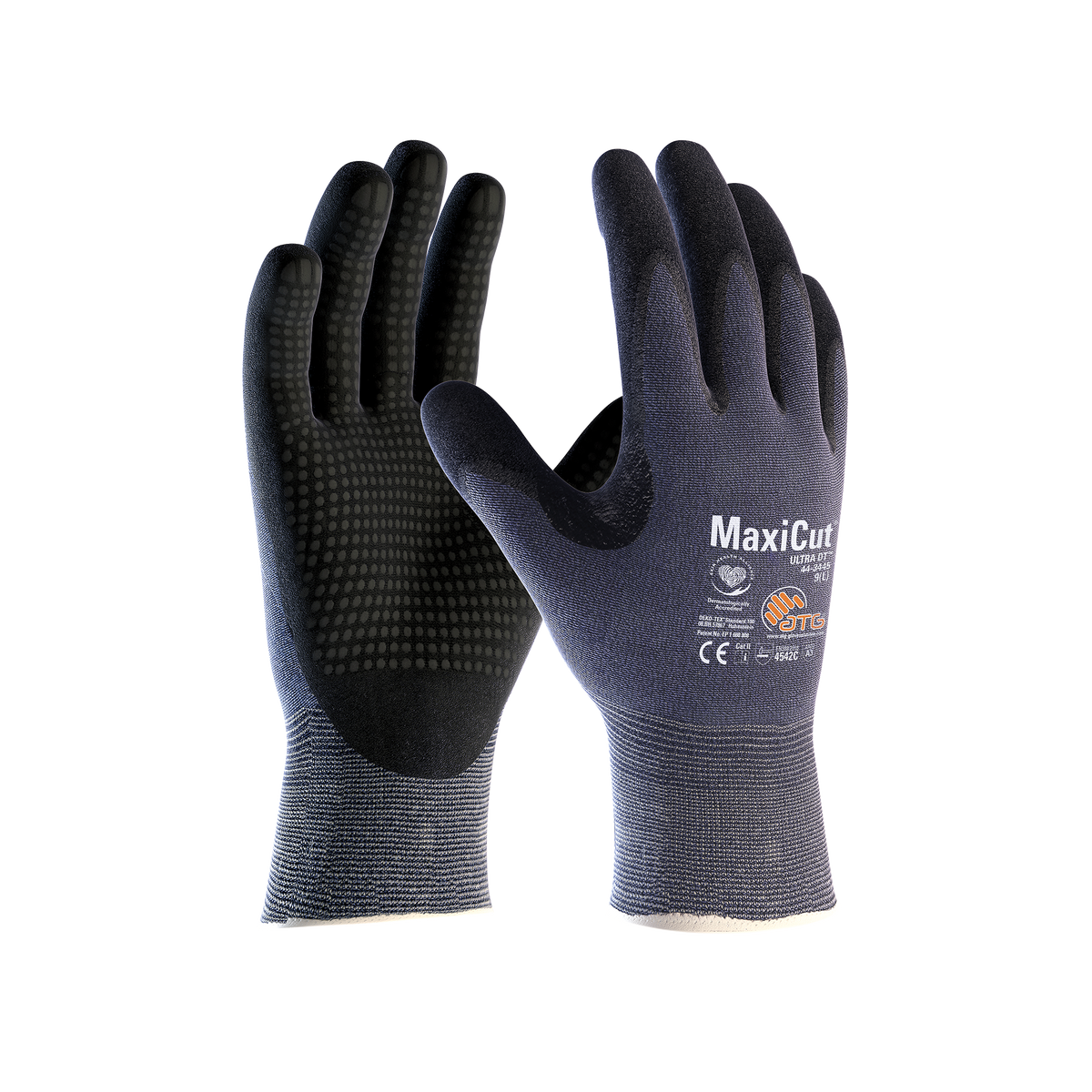
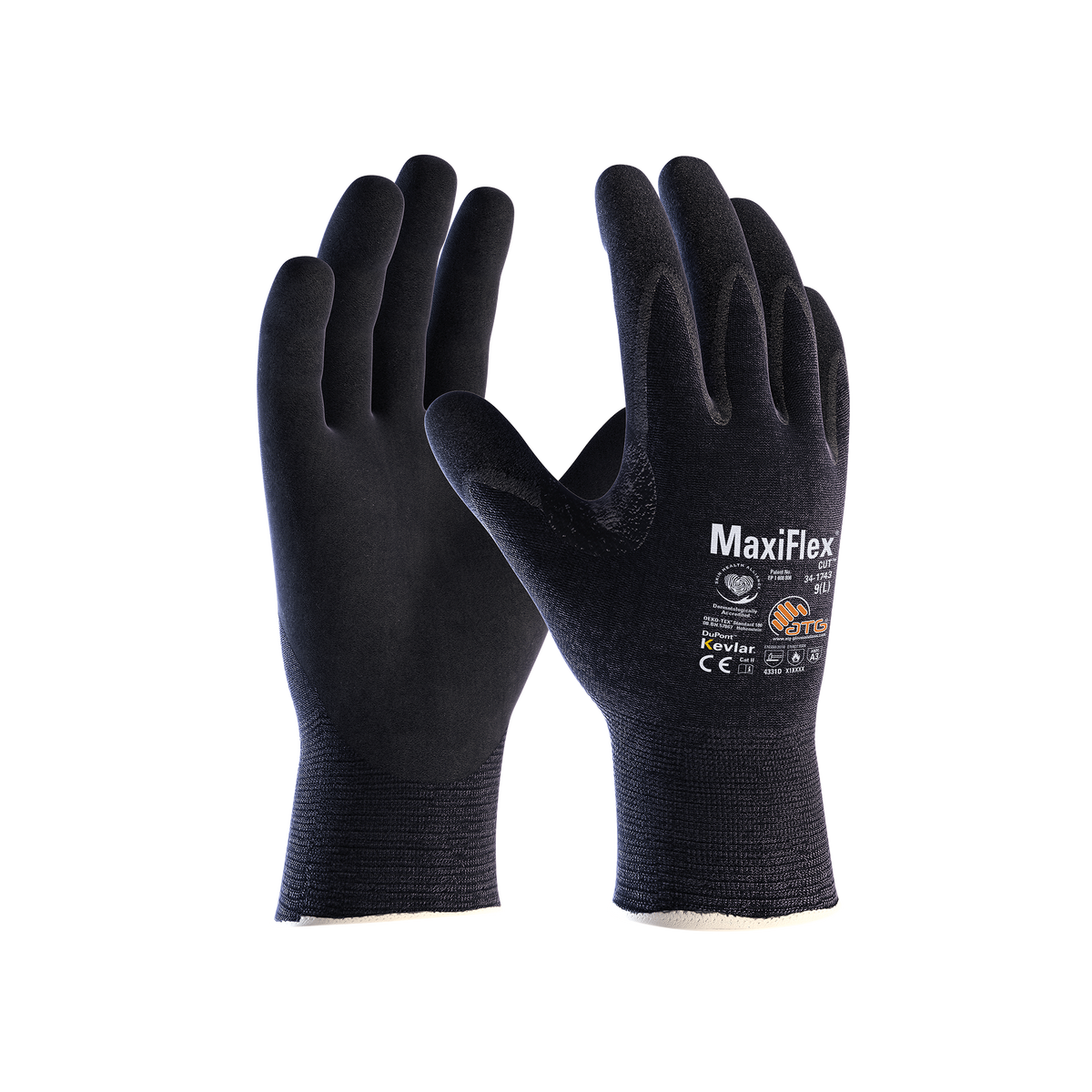
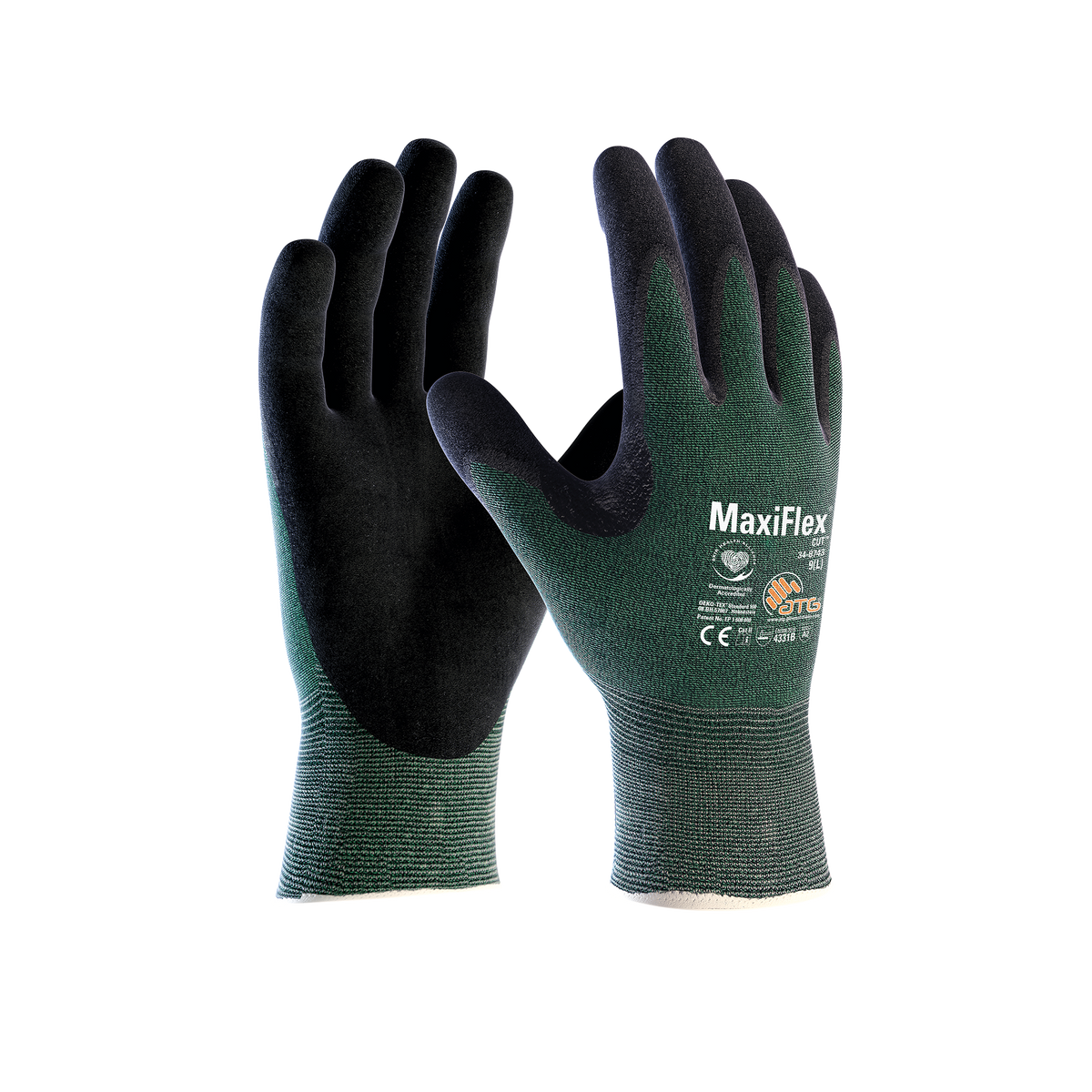
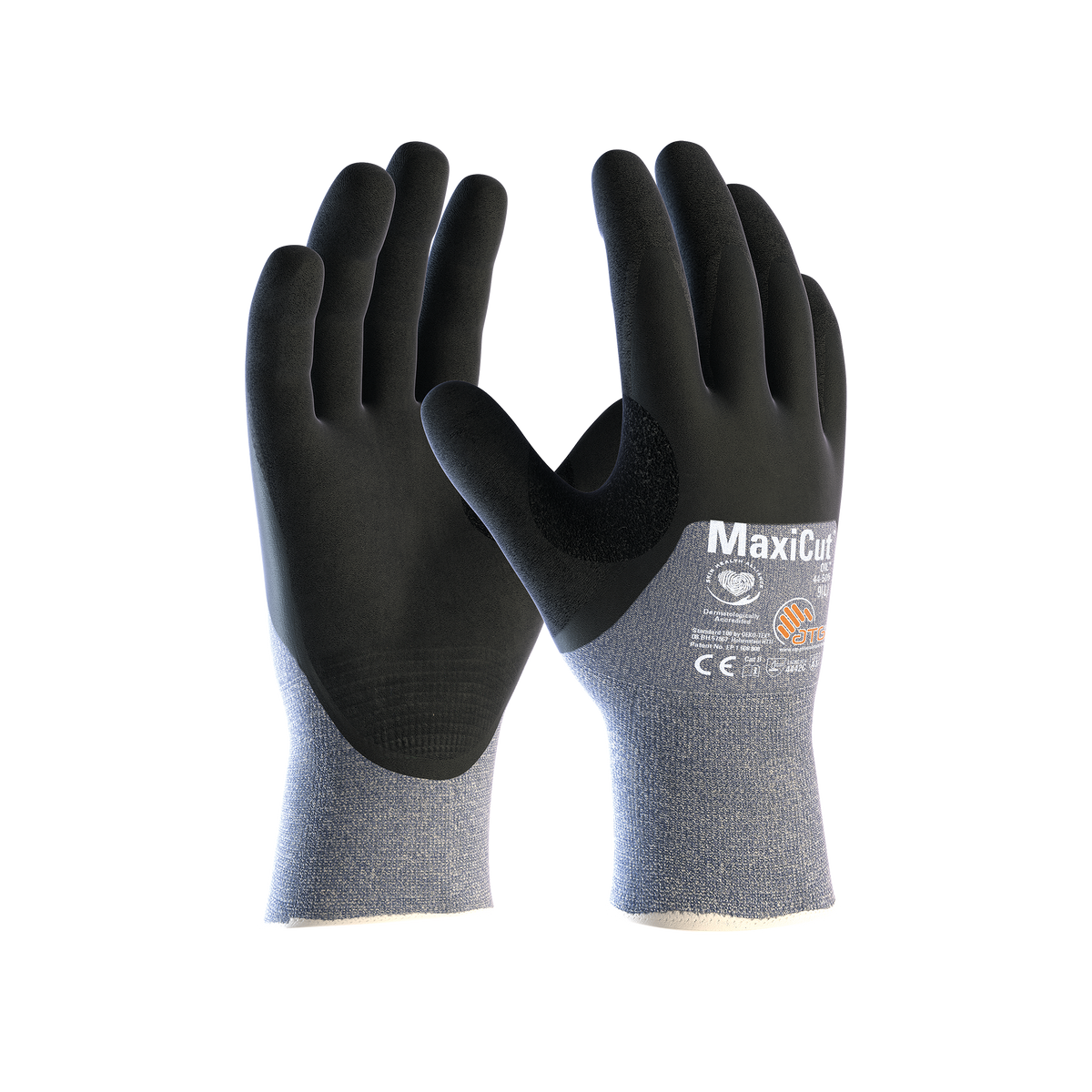
For cut resistant gloves the letter is the value to compare. The coupe test can give misleading results on materials that blunt the blade, and that is why the TDM test is the reference in the current version of EN 388. As a rule of thumb a low cut level is enough for general assembly, while handling sheet metal, glass and knives normally requires C or higher. A high cut level often means a thicker glove and less feel, so choose the level the risk assessment states, not the highest available.
Chemicals, heat, cold and food
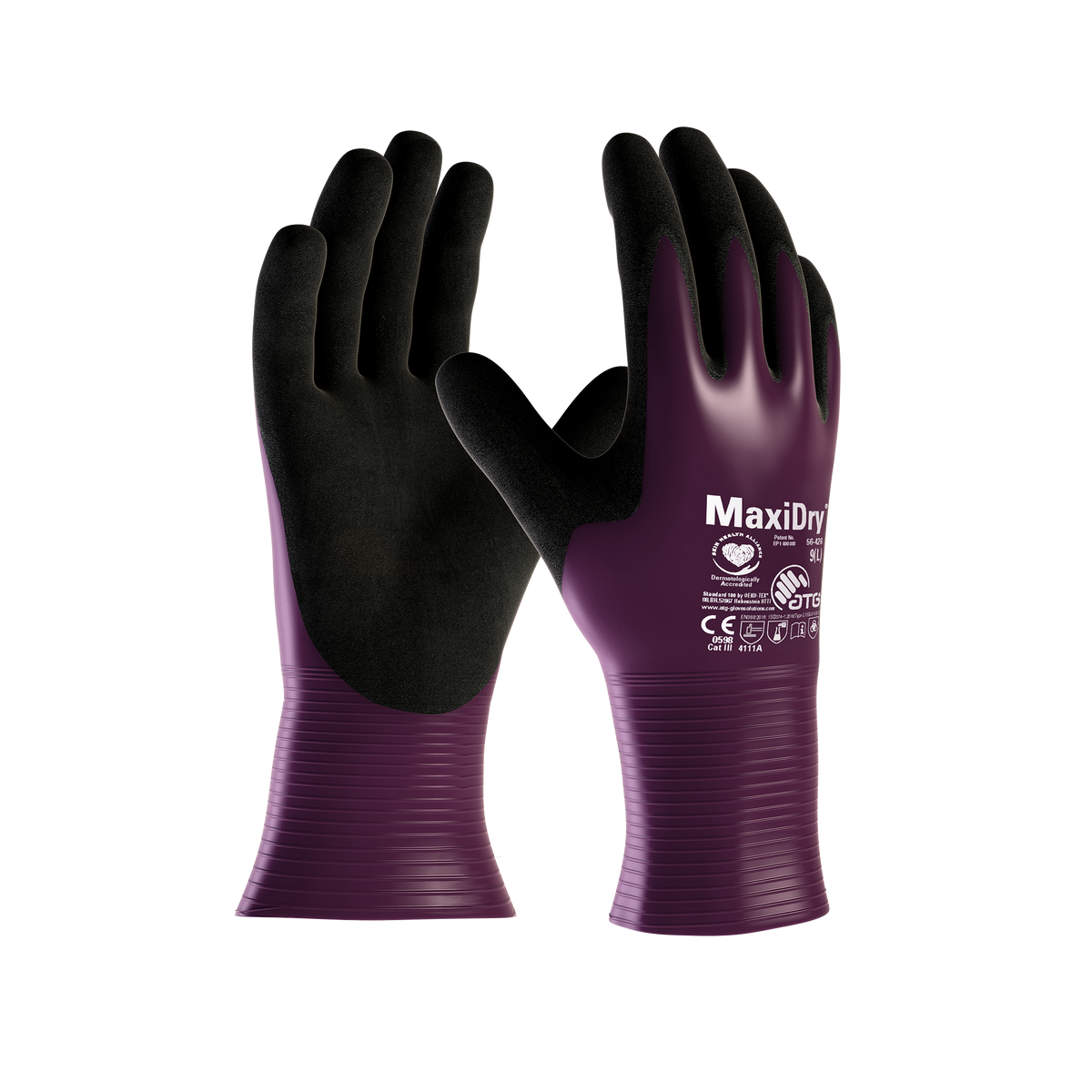
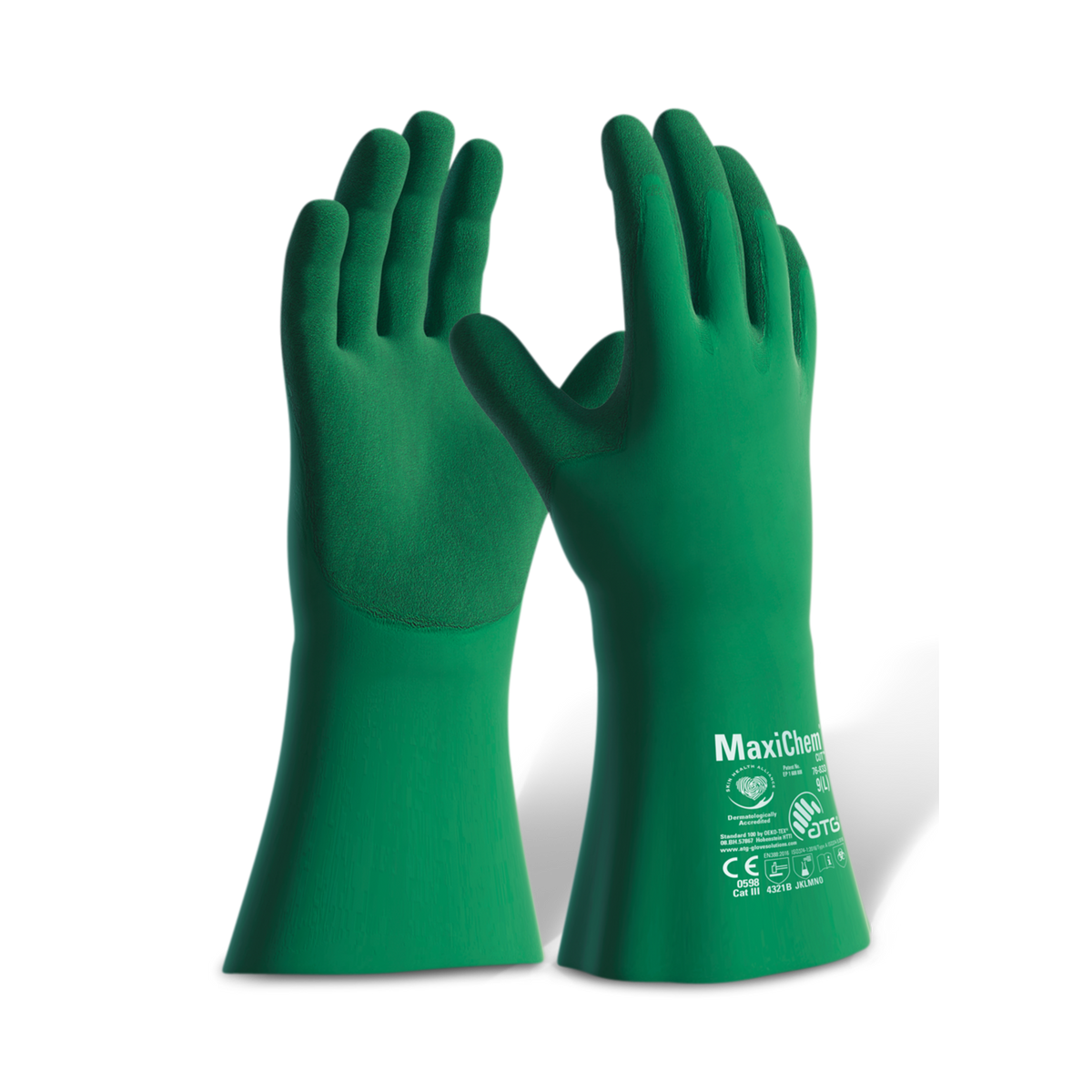
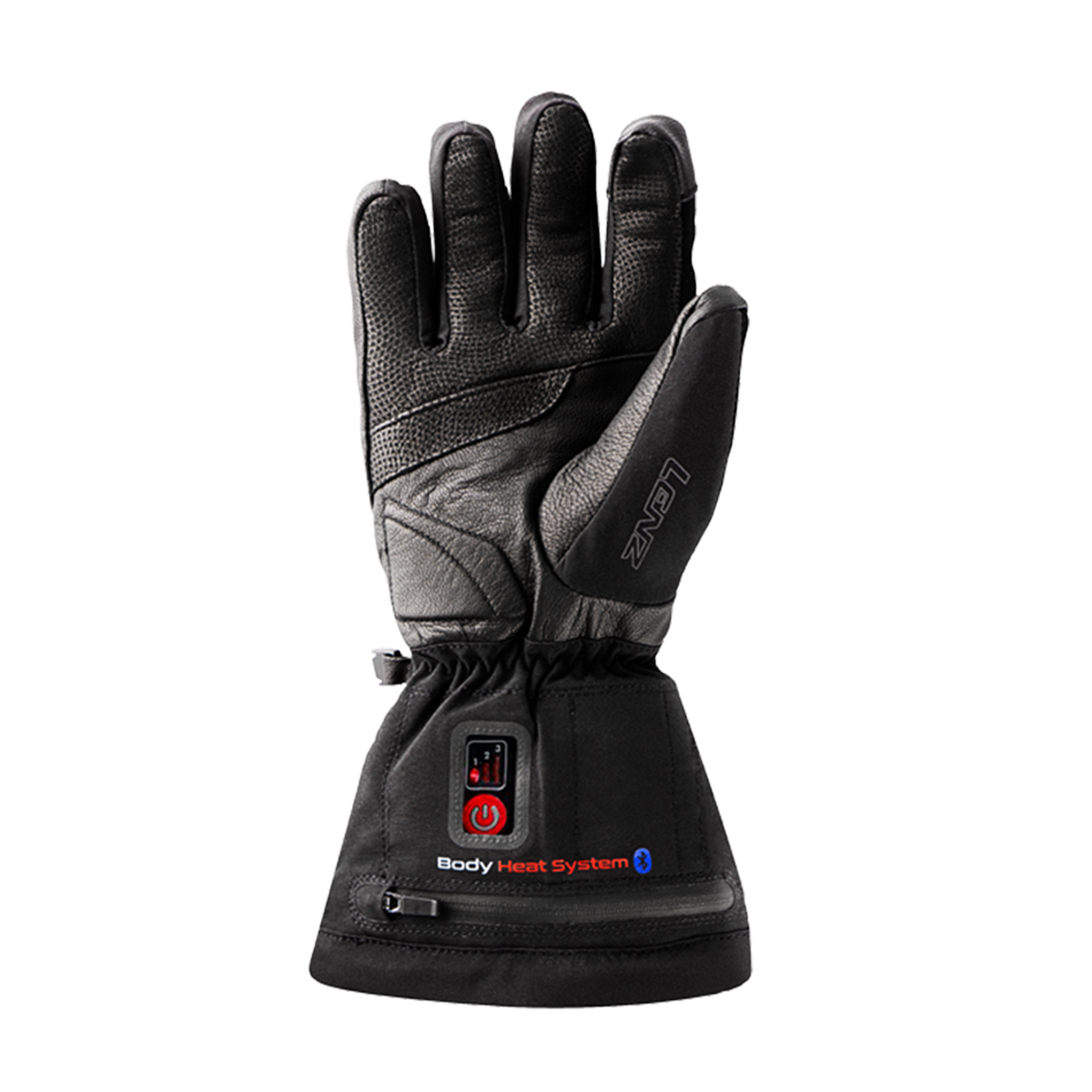
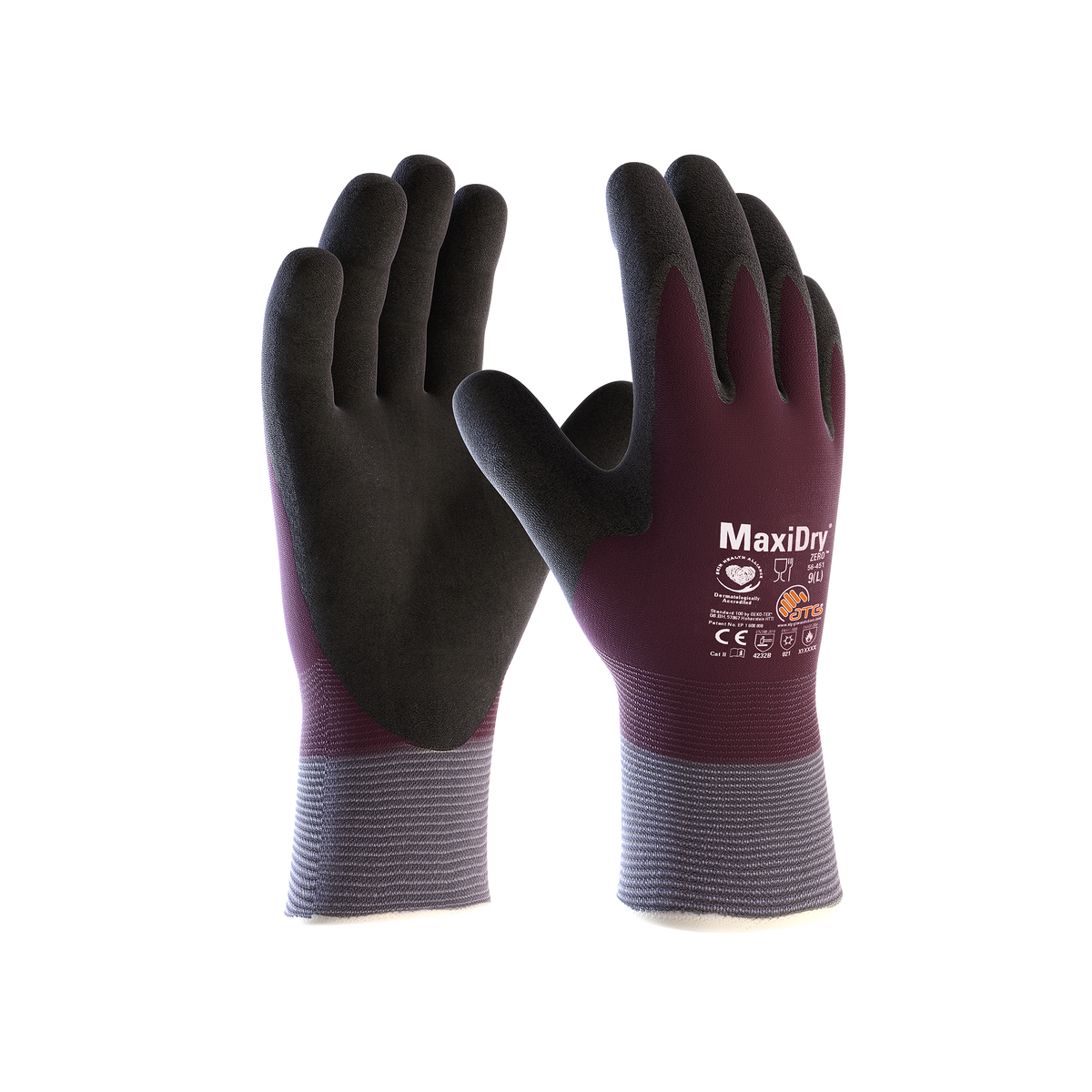
Chemical gloves are marked according to EN ISO 374-1 with type A, B or C and with letters for the test chemicals the glove has passed. The material decides: nitrile, neoprene, butyl and PVC resist different substances, and the chemical's safety data sheet states which applies. Gloves against heat are tested according to EN 407 and gloves against cold according to EN 511. For food handling there are gloves intended for contact with food, and disposable nitrile gloves for short tasks where the glove is changed often.
Frequently asked questions about gloves
What is the difference between work gloves and protective gloves?
In everyday speech the words are used for the same thing. What decides is the marking: a glove tested according to EN 388 has levels for abrasion, cut, tear and puncture, and a chemical glove is tested according to EN ISO 374. Choose according to the marking and the risk assessment, not according to what the glove is called.
Which protective glove do we need according to EN 388?
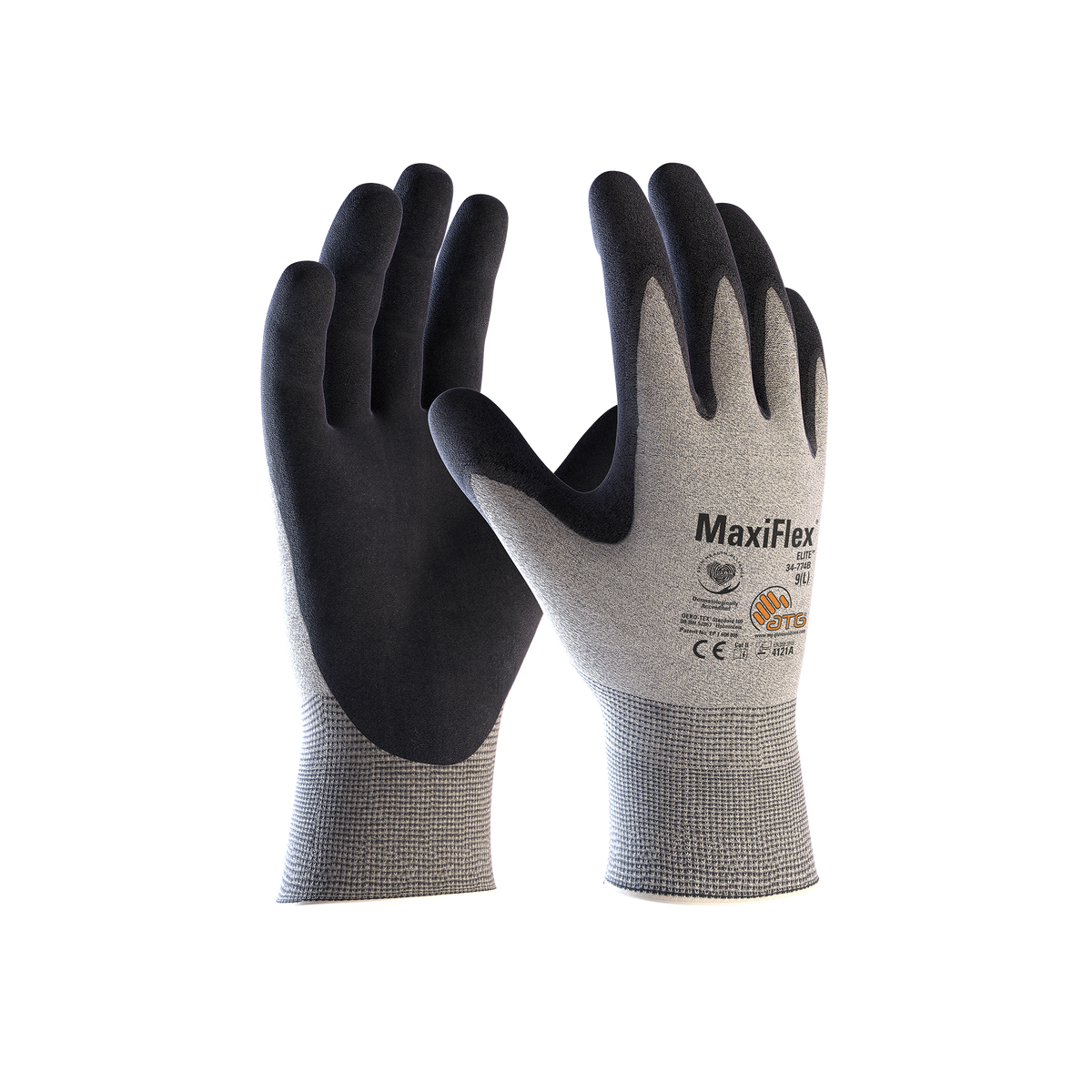
The one the risk assessment points out for the task. General assembly usually manages with a thin nitrile or PU dipped glove with a good abrasion level, while sheet metal, glass and knives normally require cut protection C or higher. Let the staff have two or three models for different tasks instead of one glove for everything.
What does cut protection A to F mean?
The letter is the glove's cut protection according to the TDM test in EN ISO 13997, from A as the lowest to F as the highest. The test measures how much force a blade needs to cut through the material. The letter is in fifth place in the EN 388 marking and is the value you compare between cut resistant gloves.
Which gloves protect against chemicals?
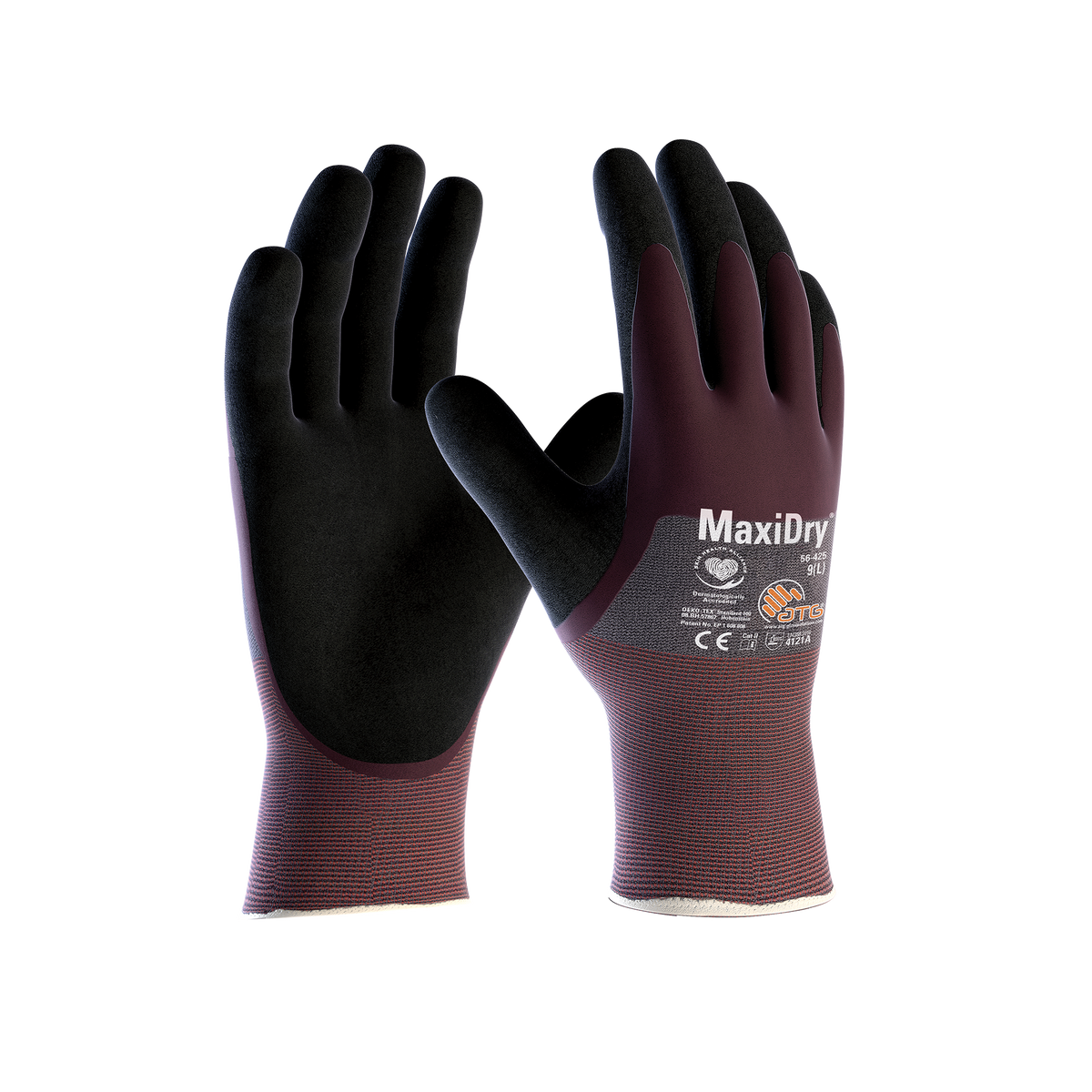
Chemical gloves tested according to EN ISO 374-1, in a material that resists your particular substance. Section 8 of the safety data sheet often states the material and breakthrough time. An assembly glove with a nitrile coating is not a chemical glove, even if the coating gives grip in oil.
How often should protective gloves be replaced?
When they are worn, have holes or have become saturated with oil or chemicals. Chemical gloves are replaced at the latest when the breakthrough time is reached, and in good time before, since the time in the marking is a laboratory value that heat, stretching and abrasion shorten in practice.
Can we buy protective gloves at contract price and on invoice?
Yes. Approved business customers buy on invoice and see their contract prices automatically when they are logged in. With a company portal the staff order themselves within the range you have approved, which suits gloves that run out often and are needed in several sizes.