
Choose category
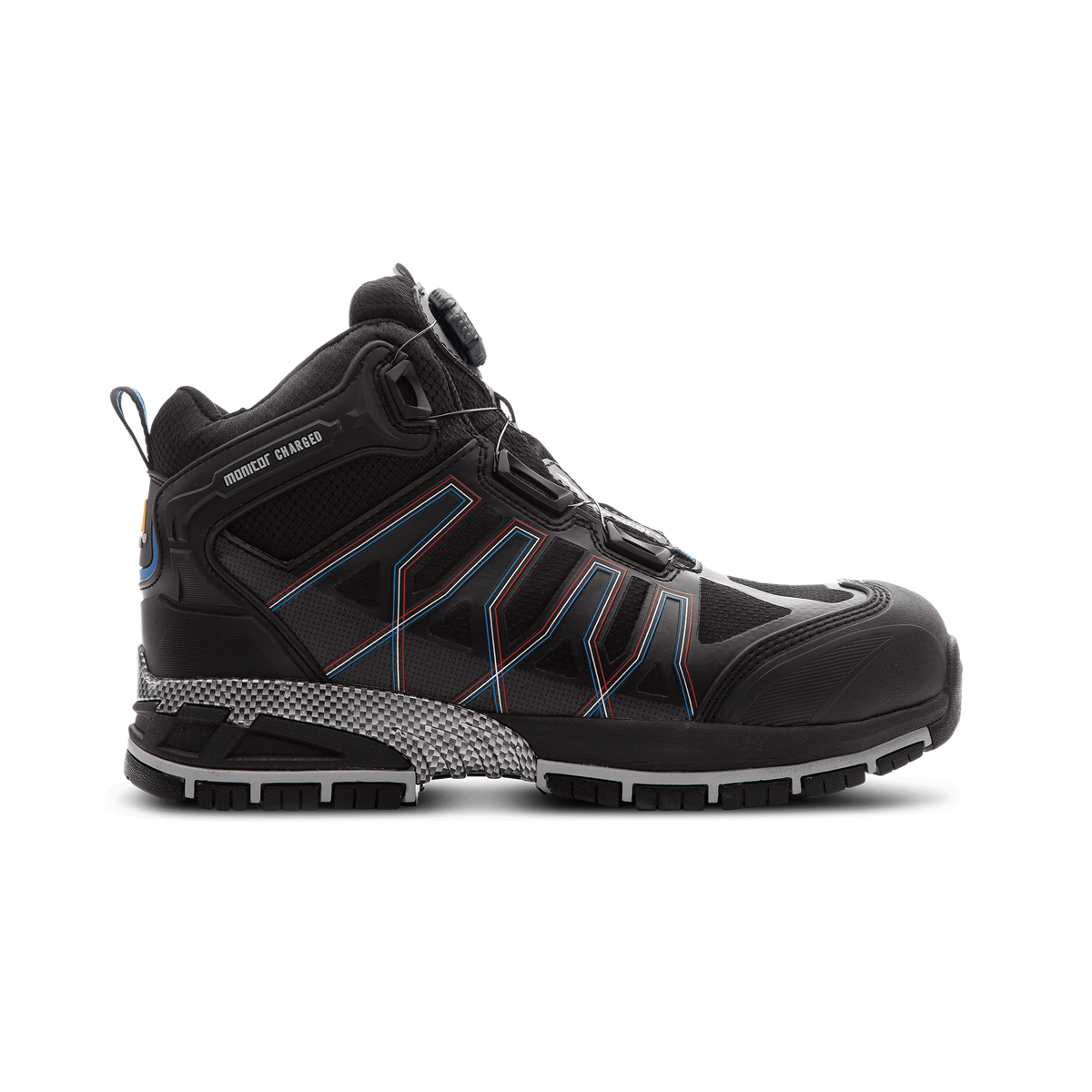

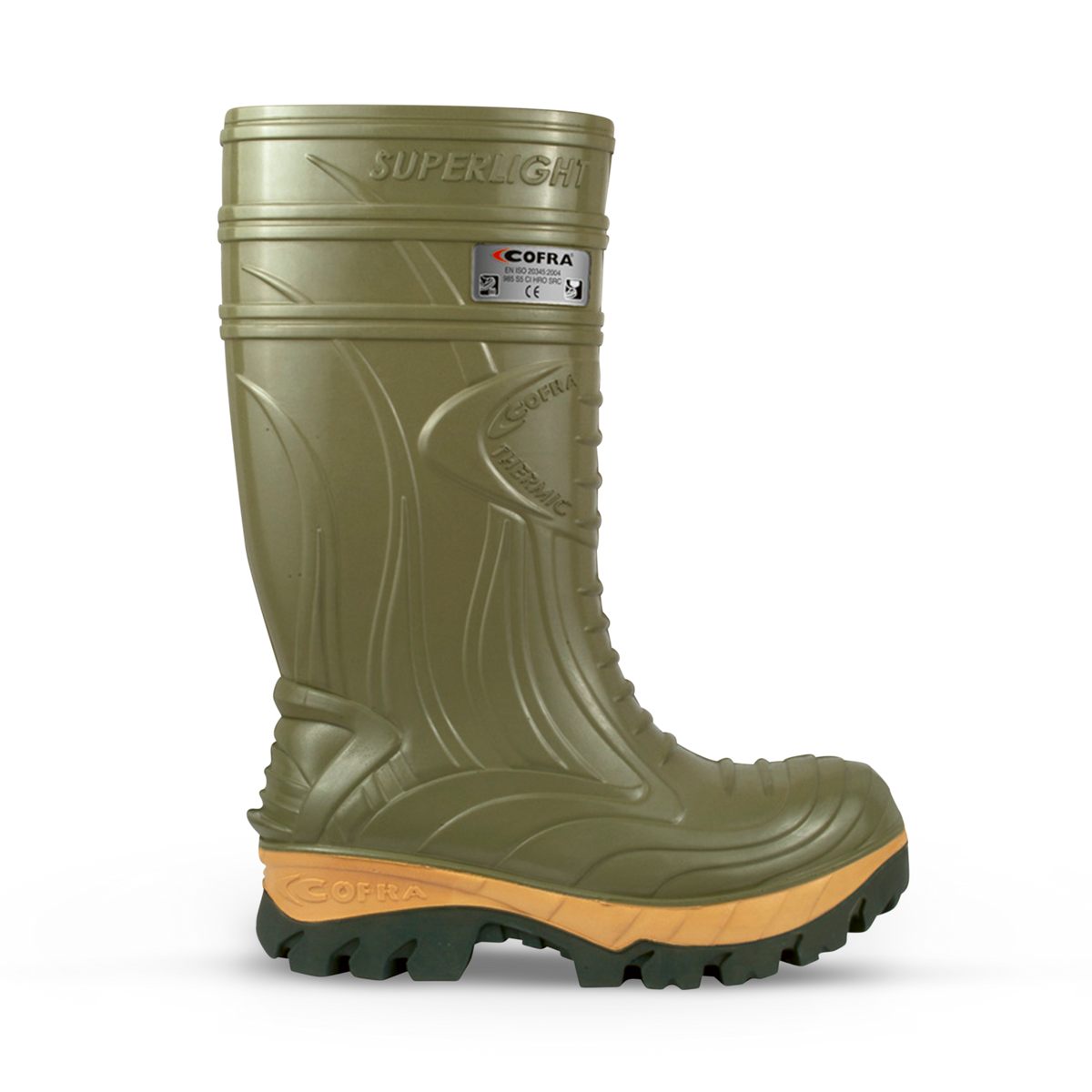
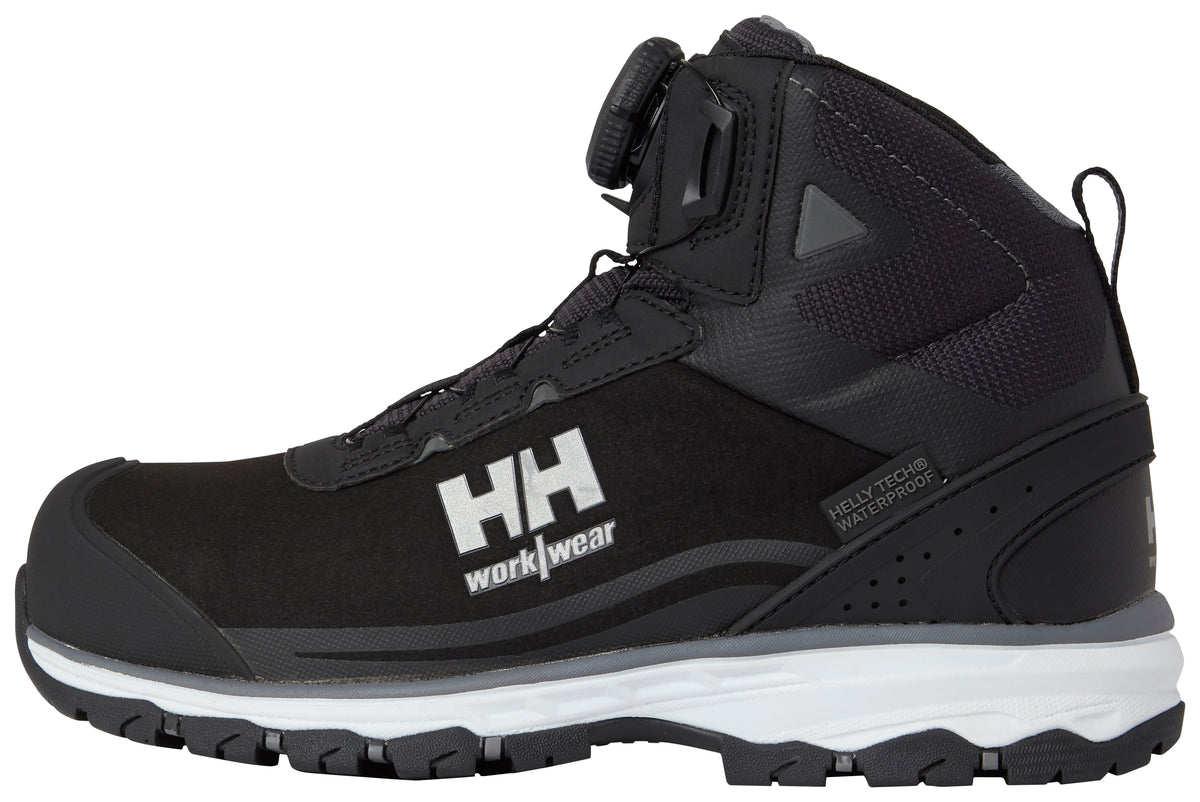
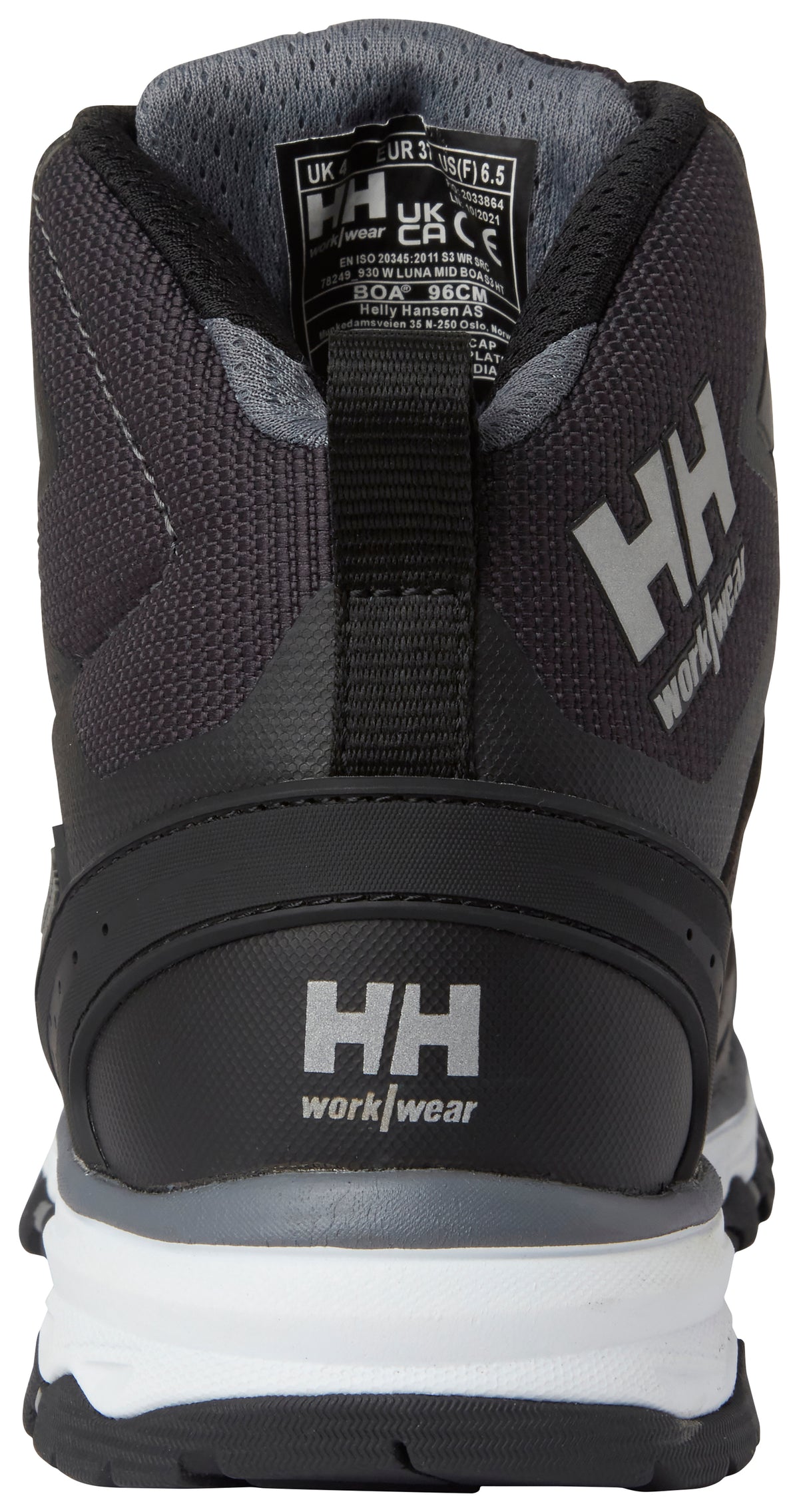
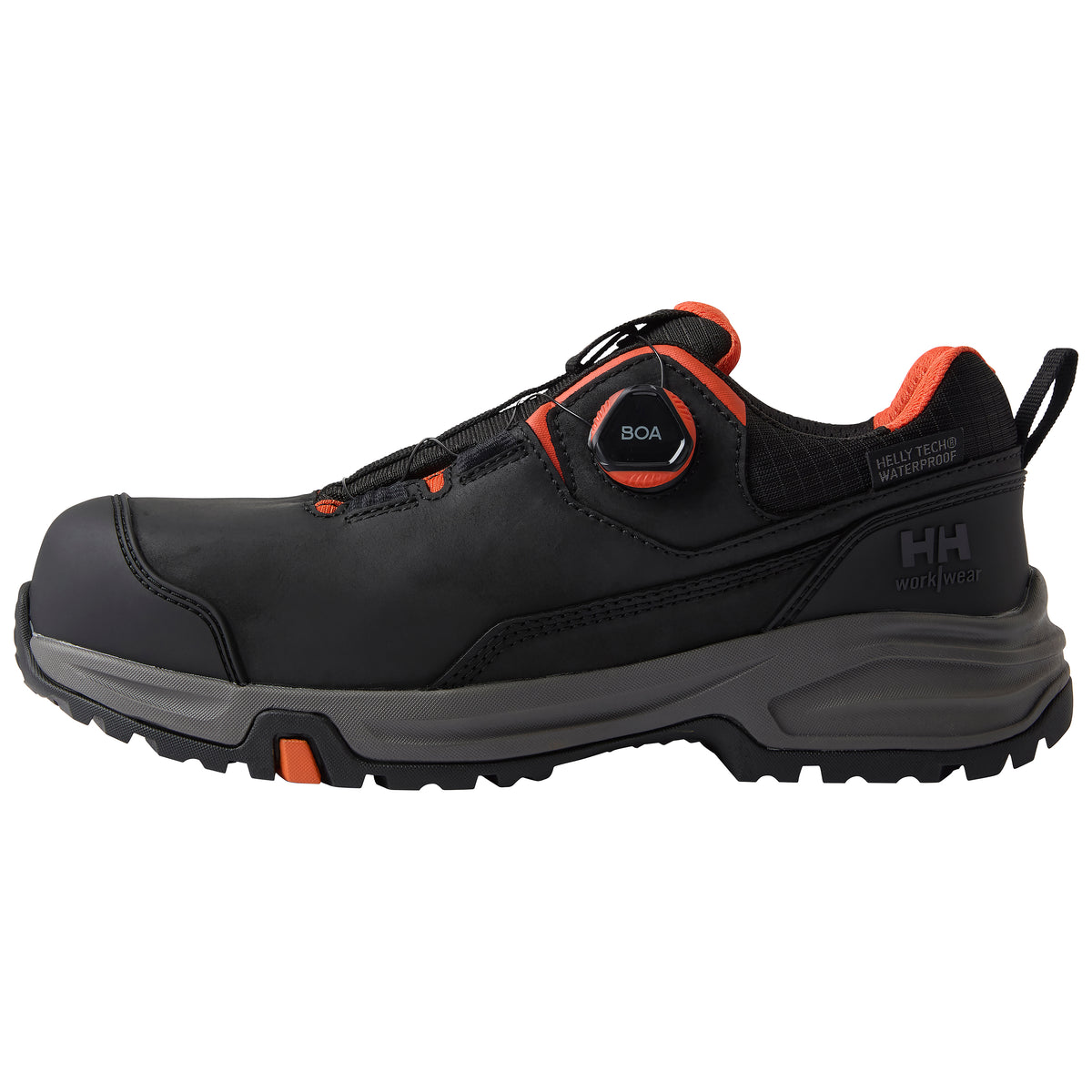
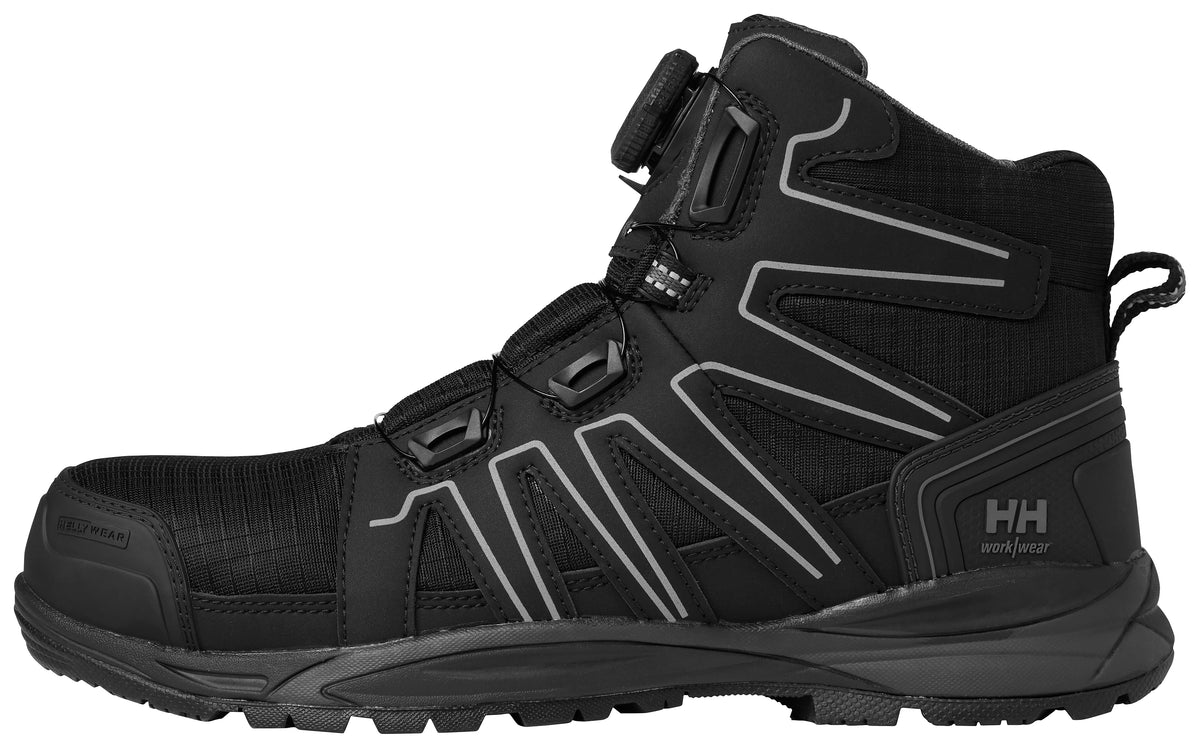
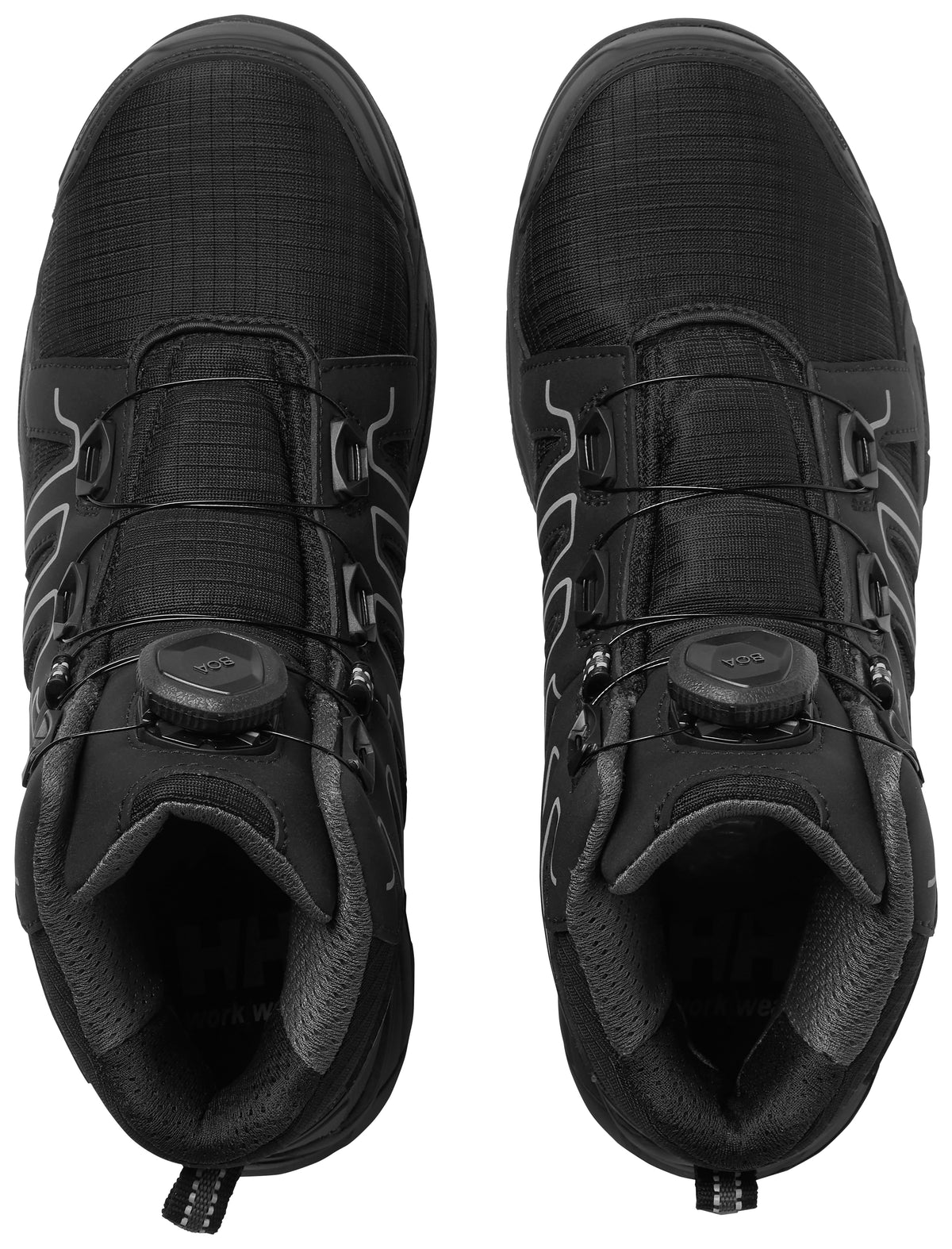
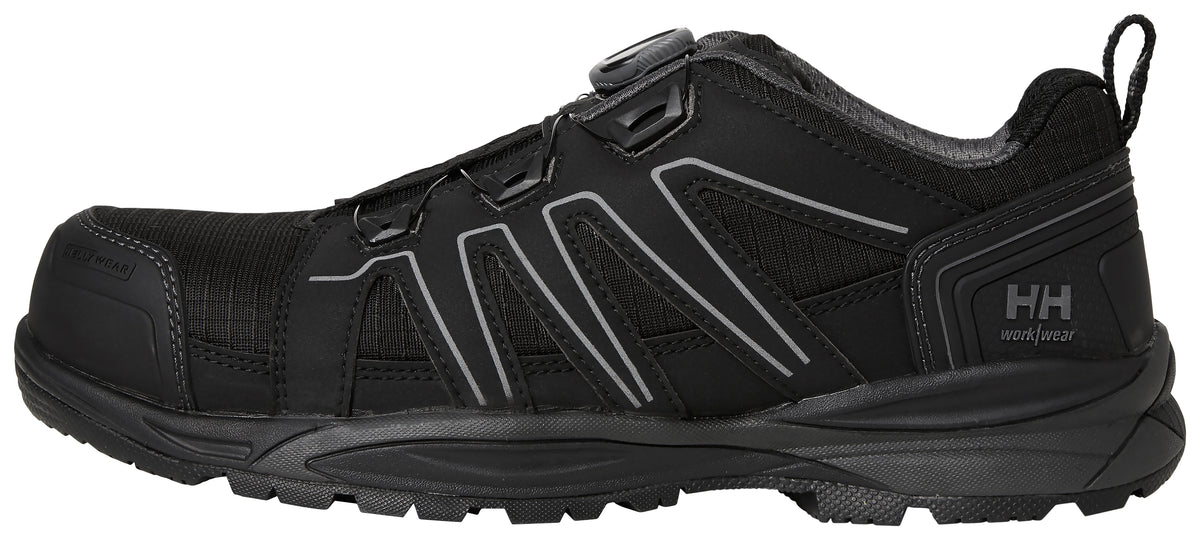
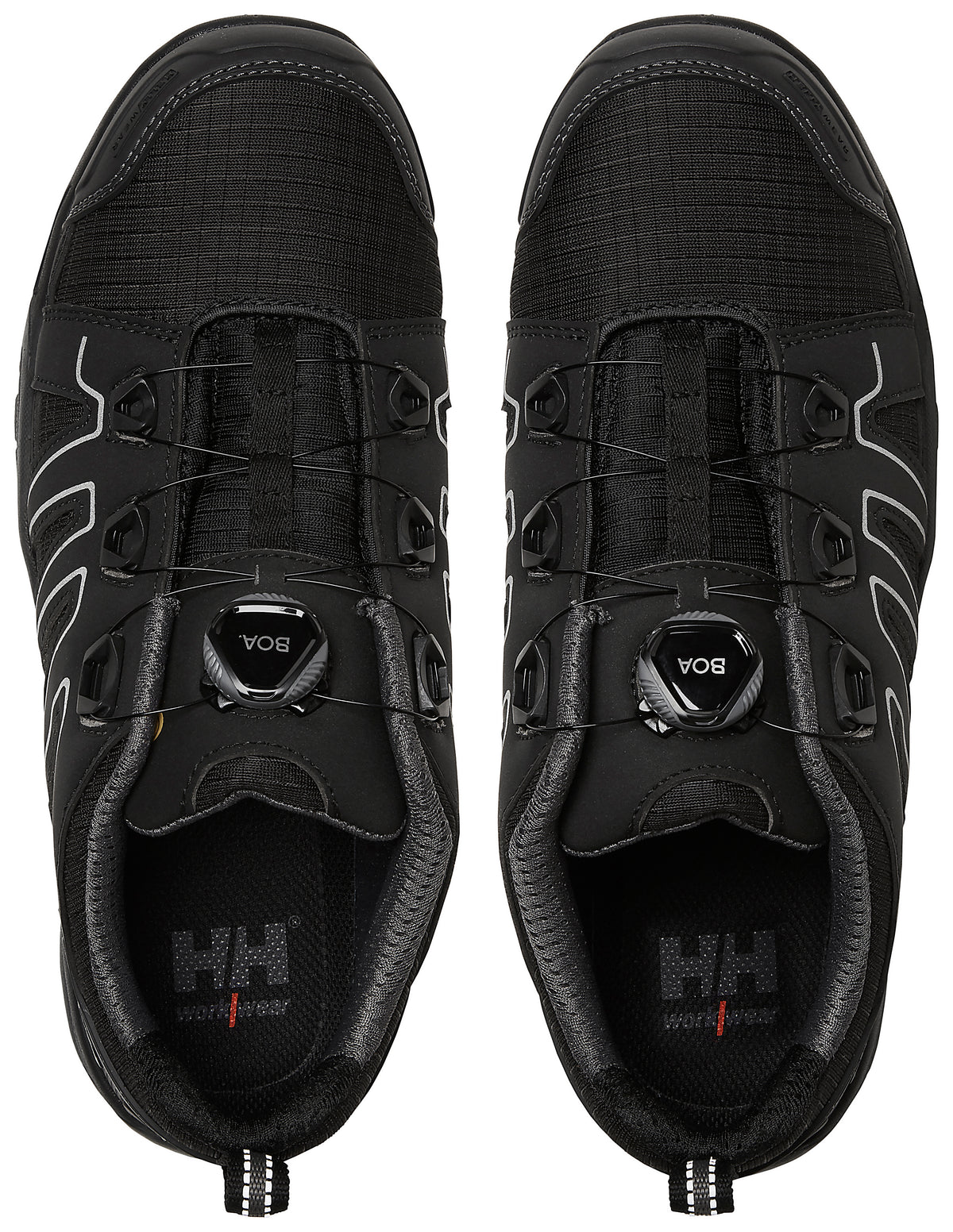
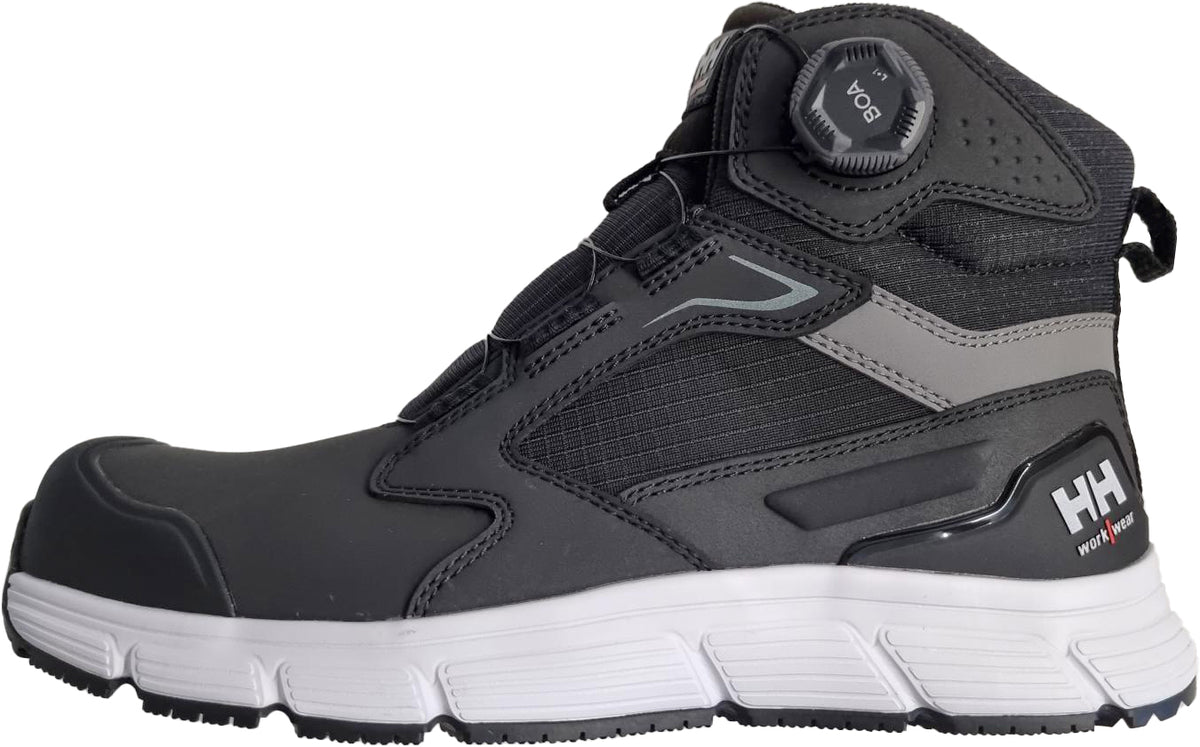
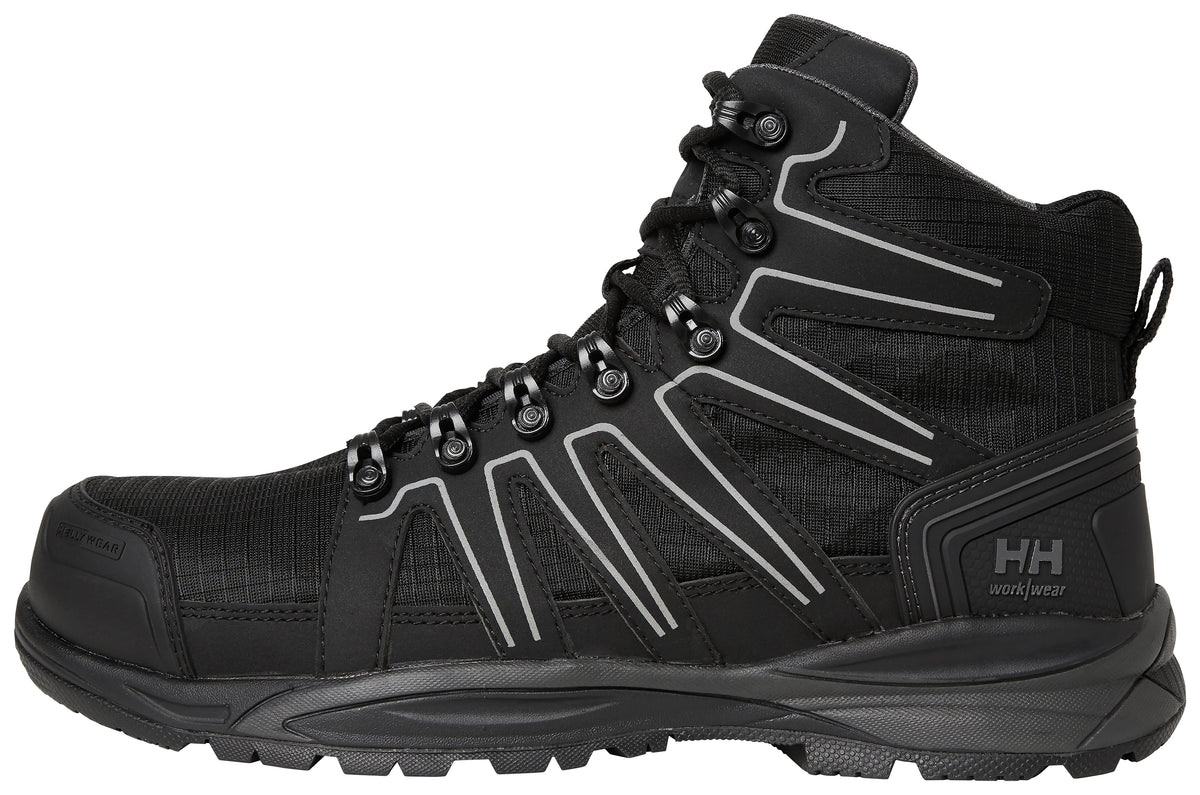
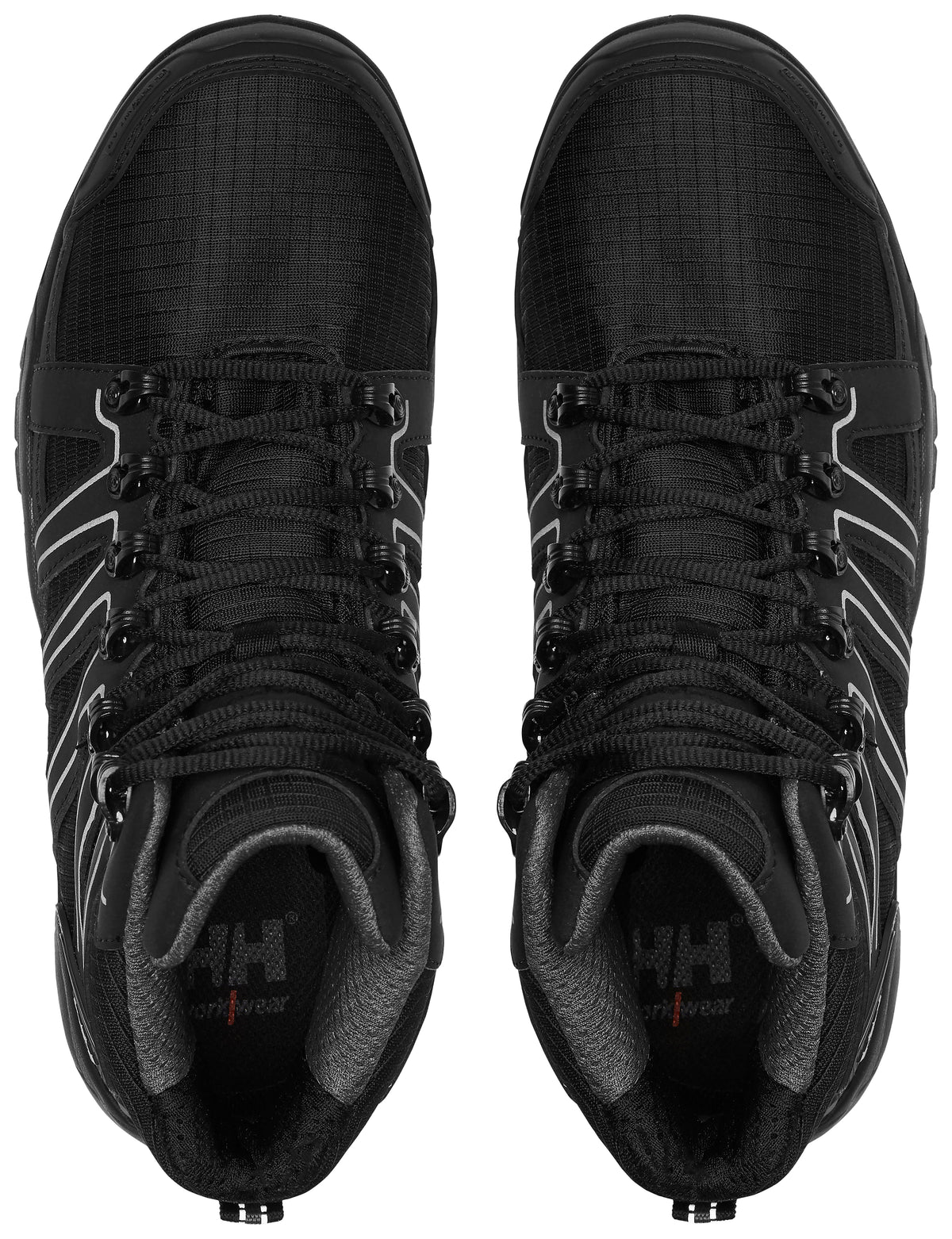
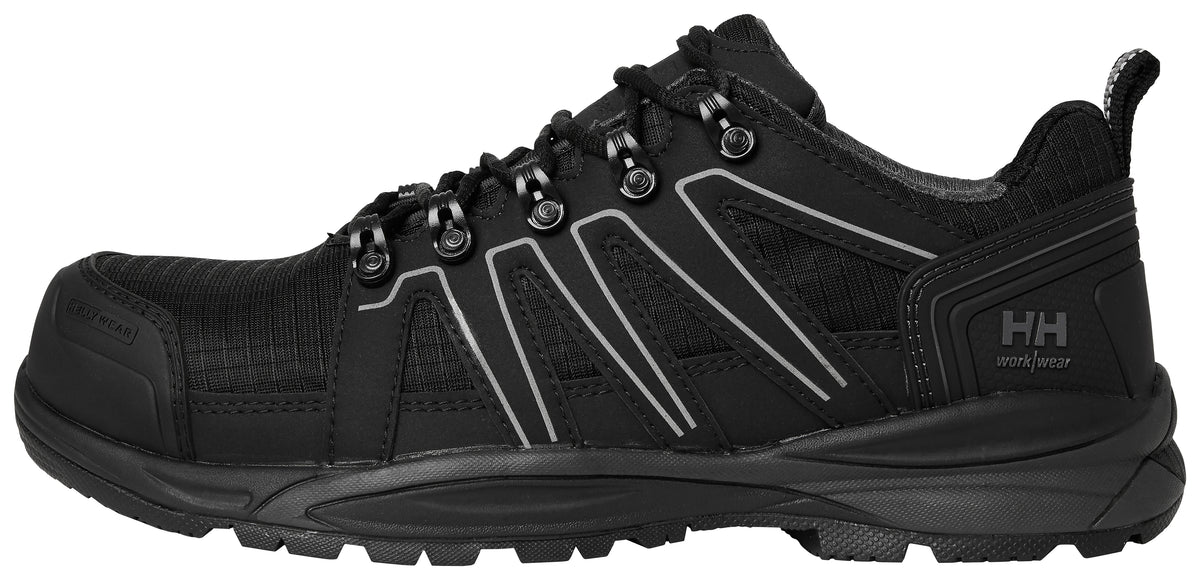
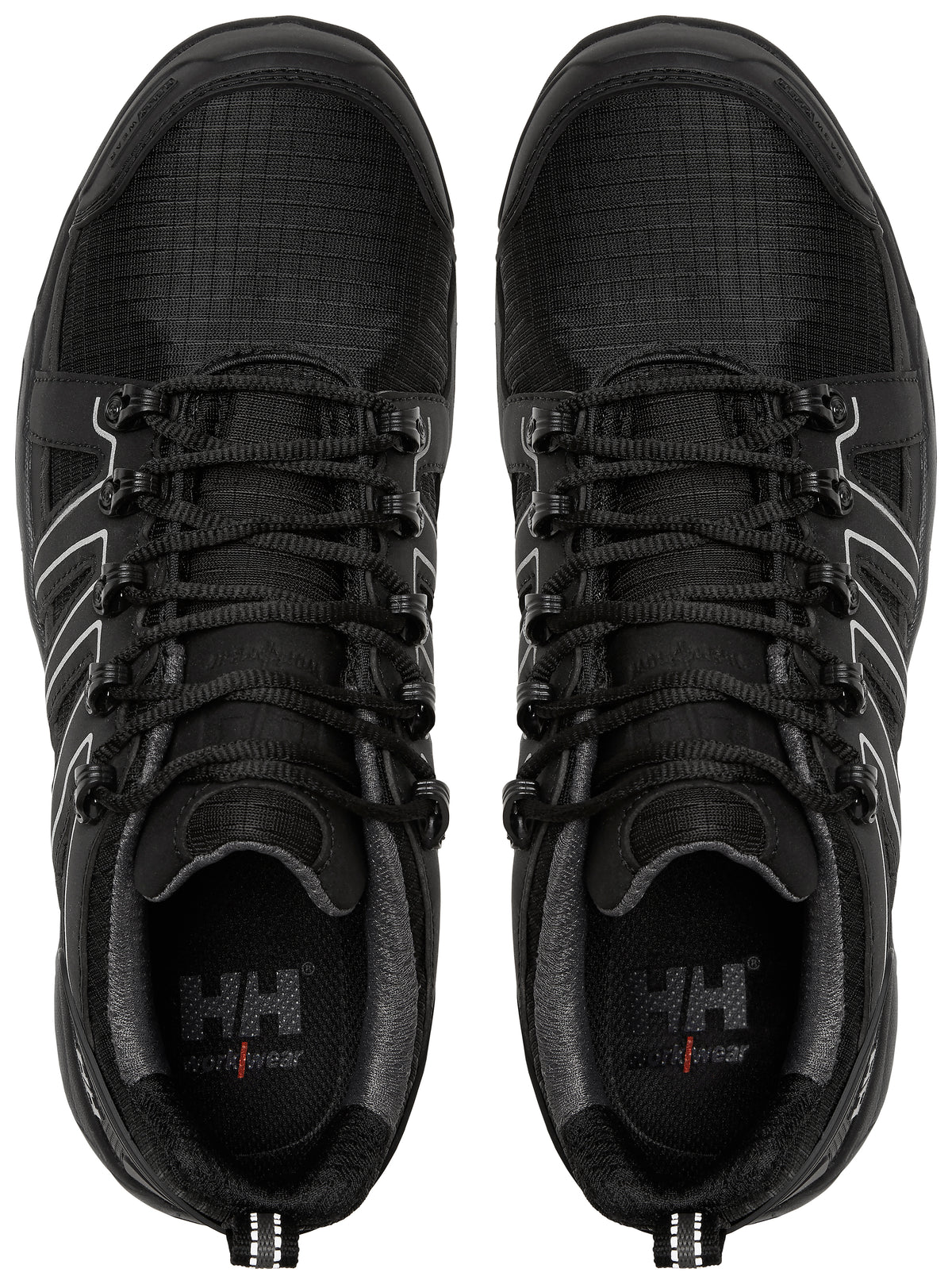
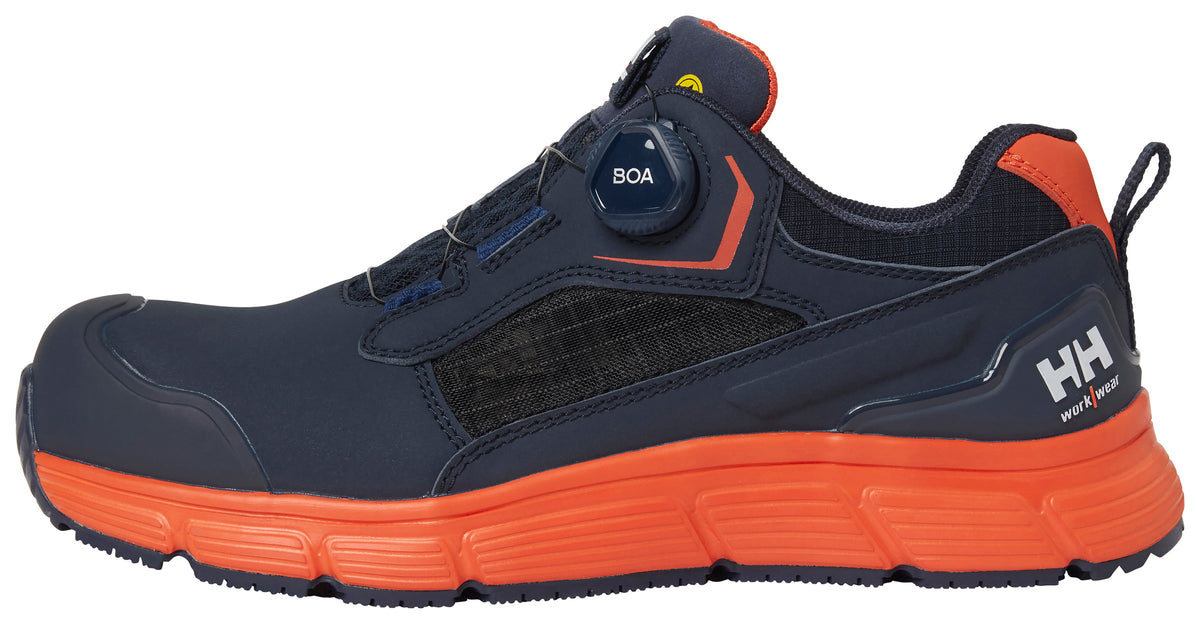
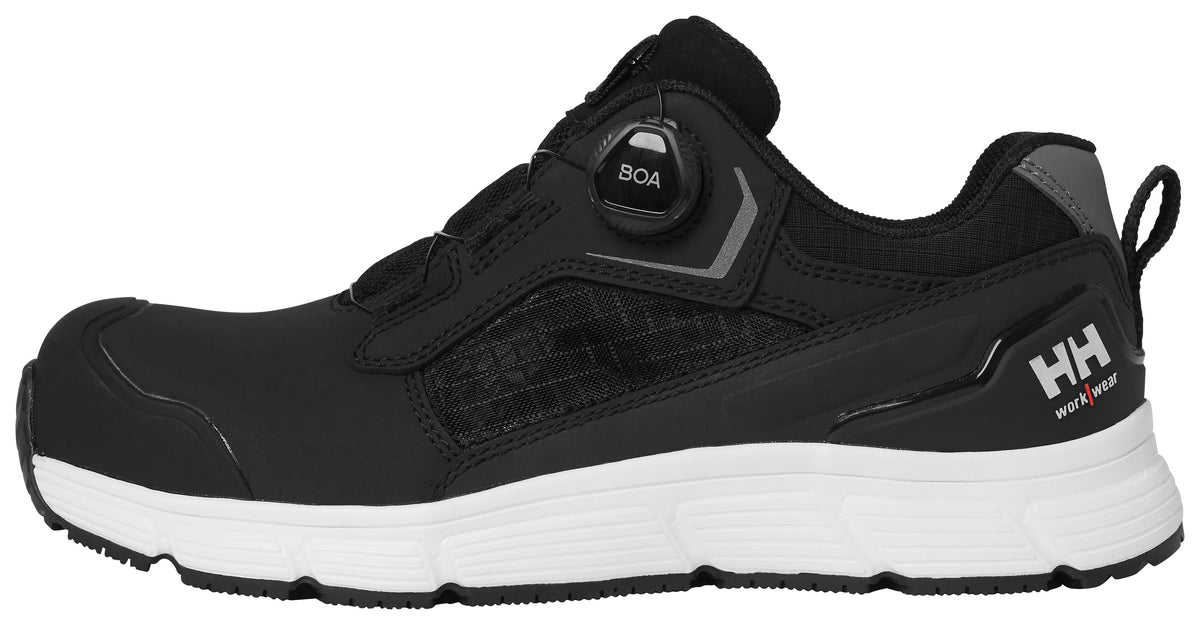
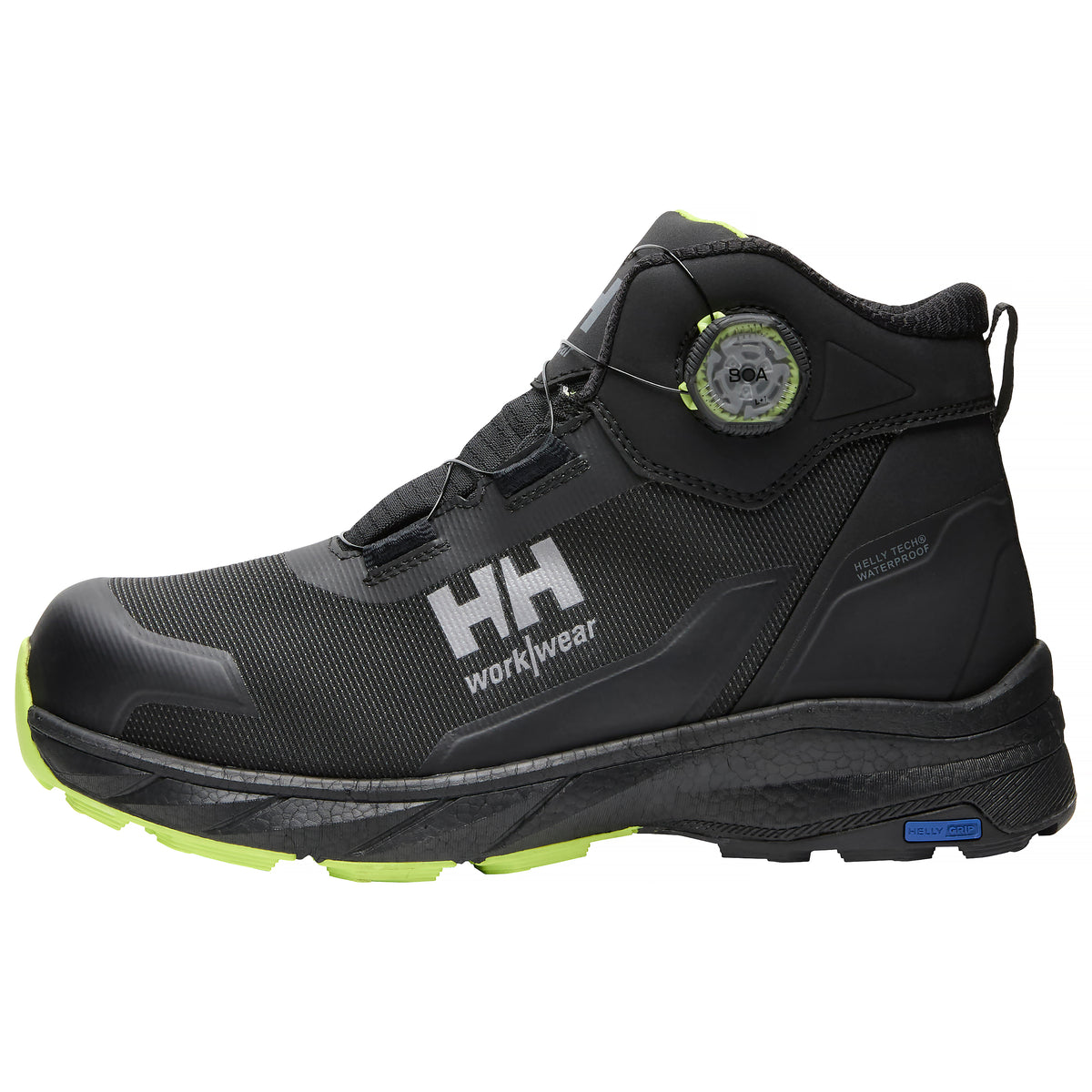
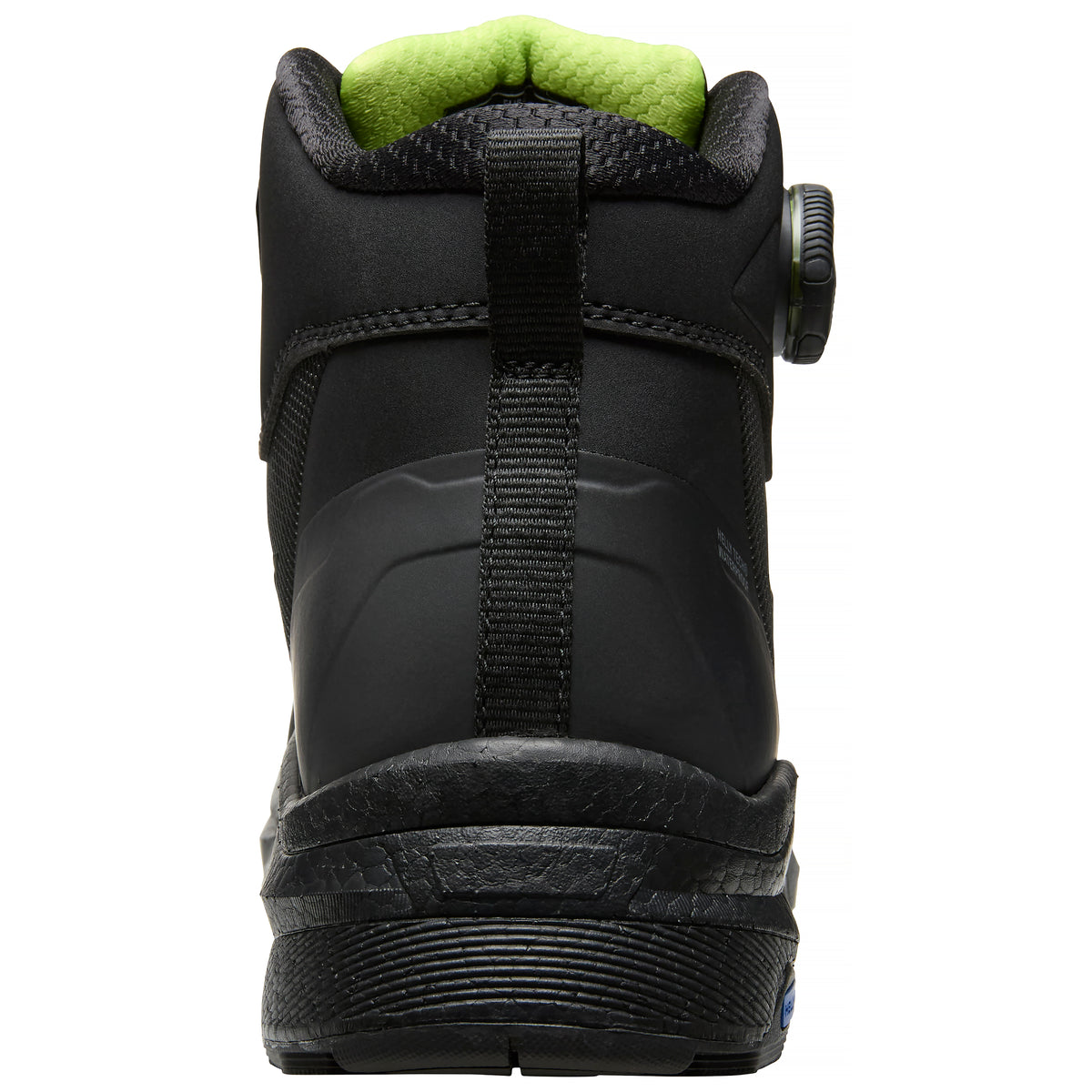
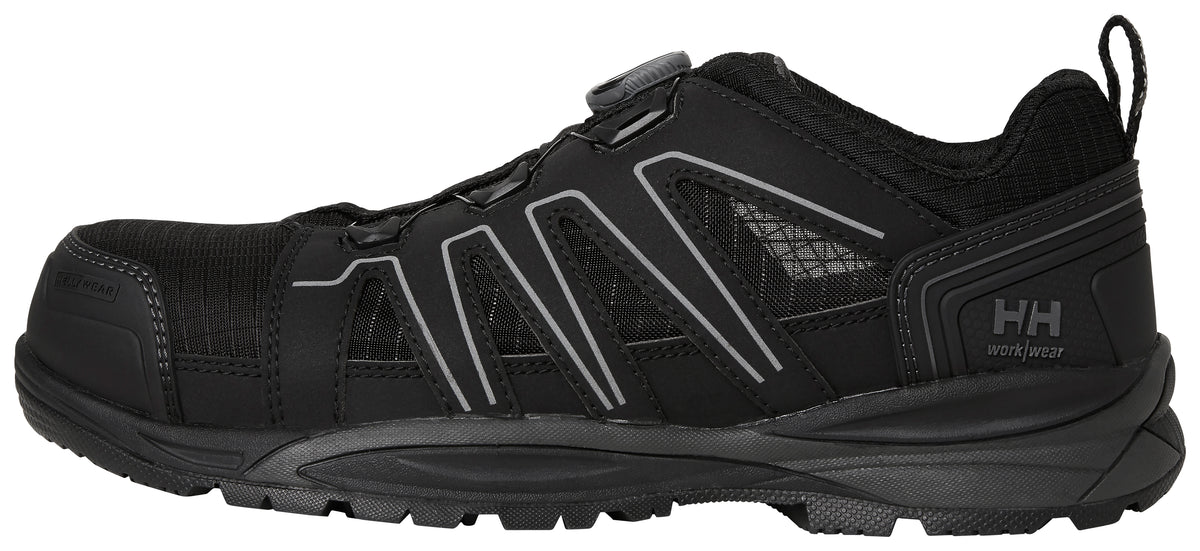
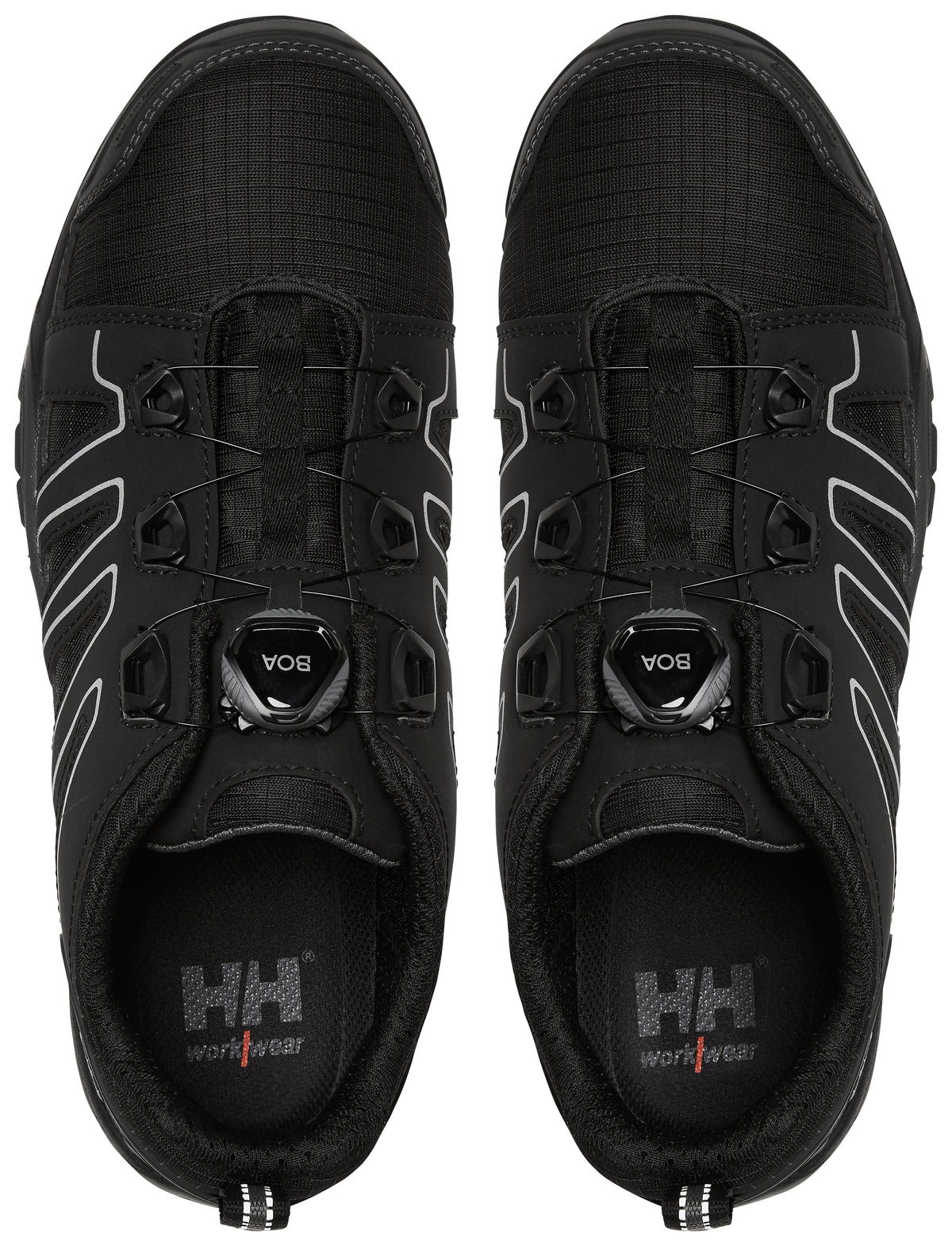


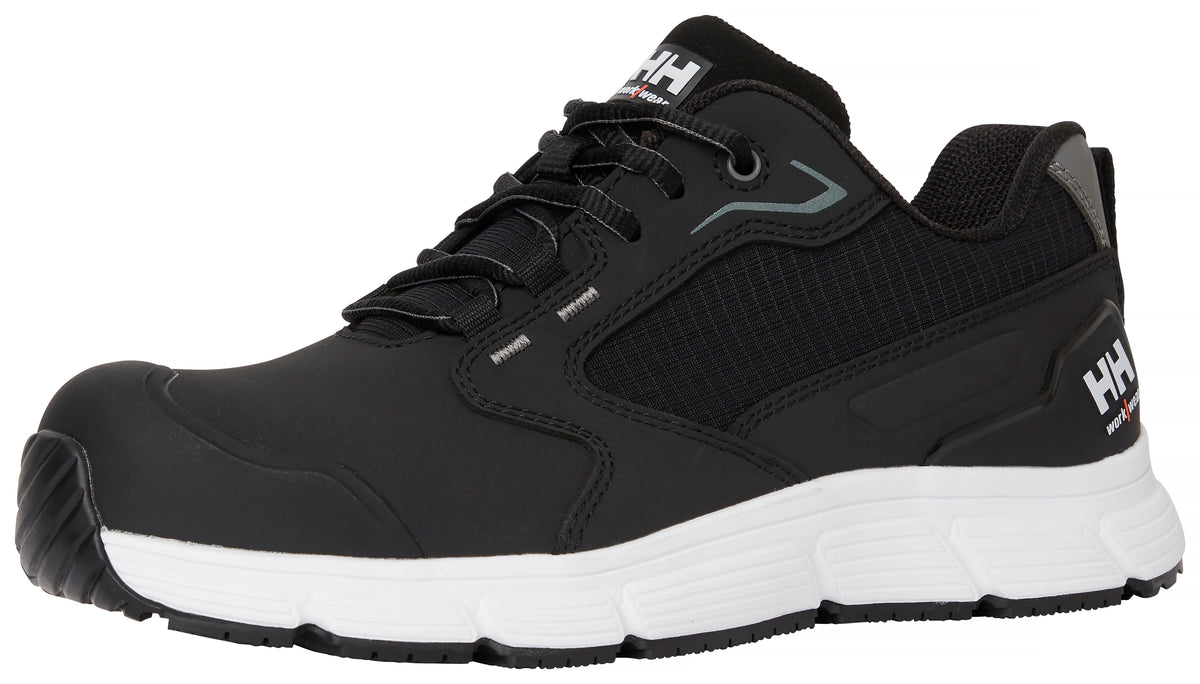


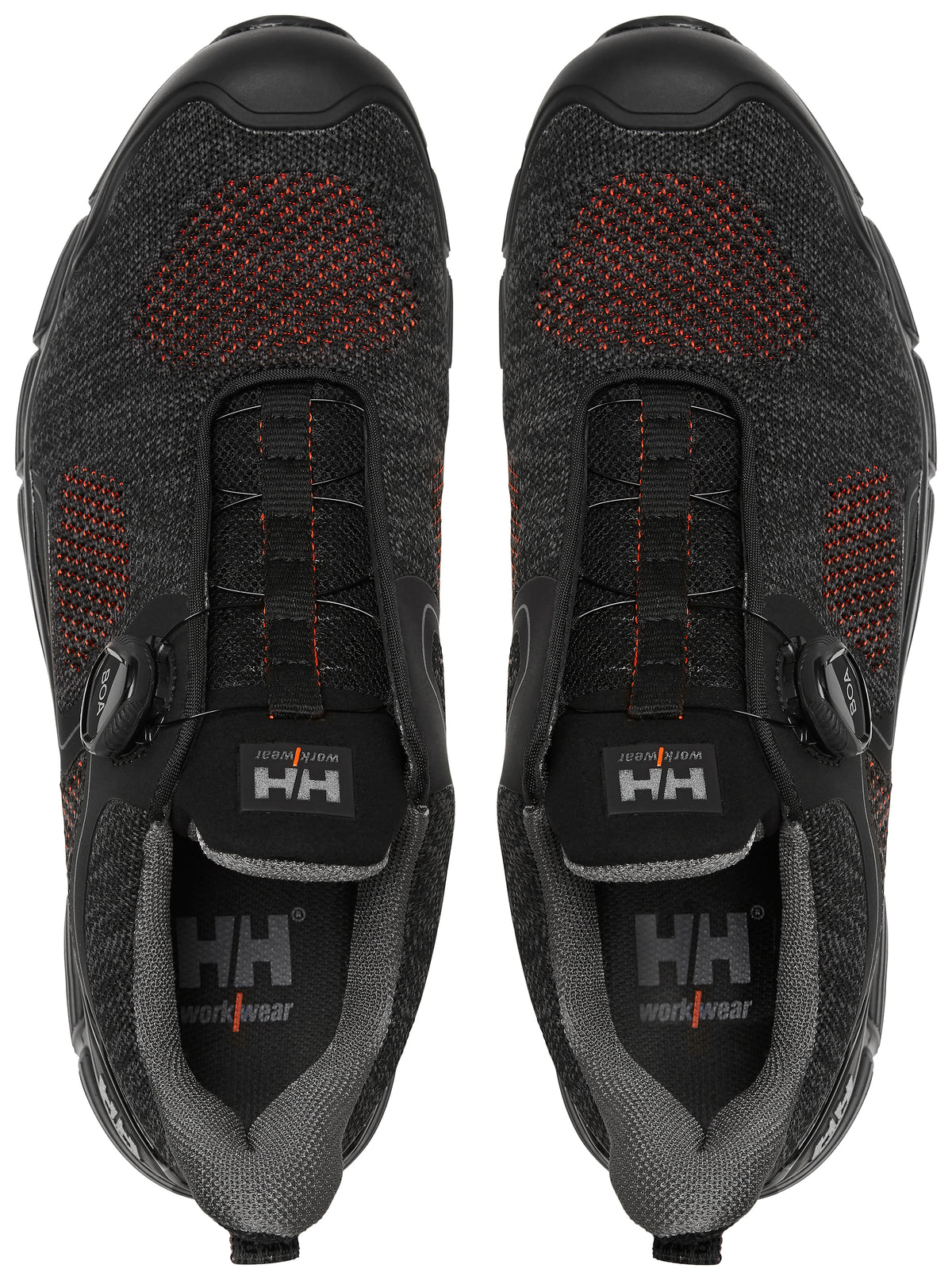


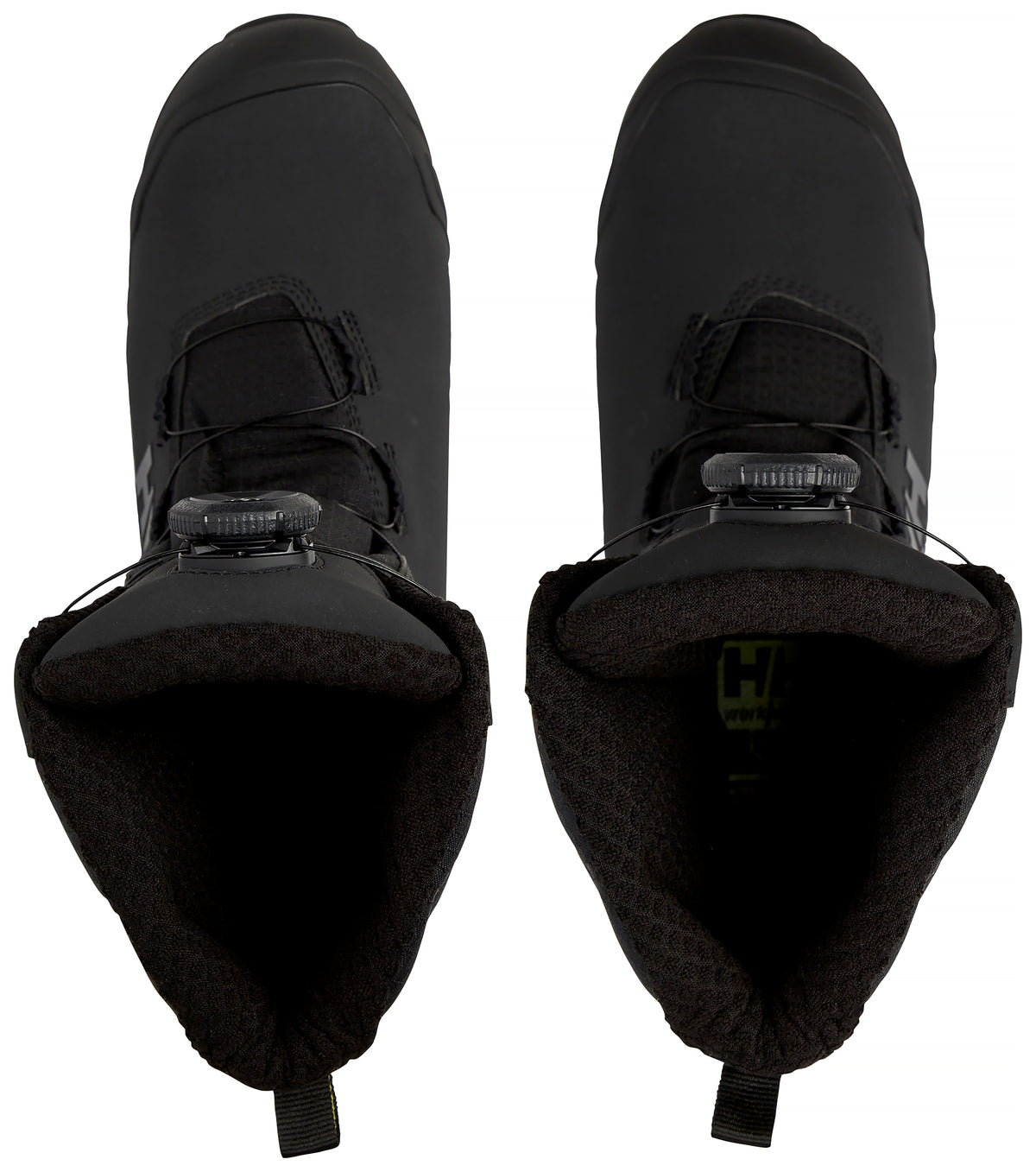

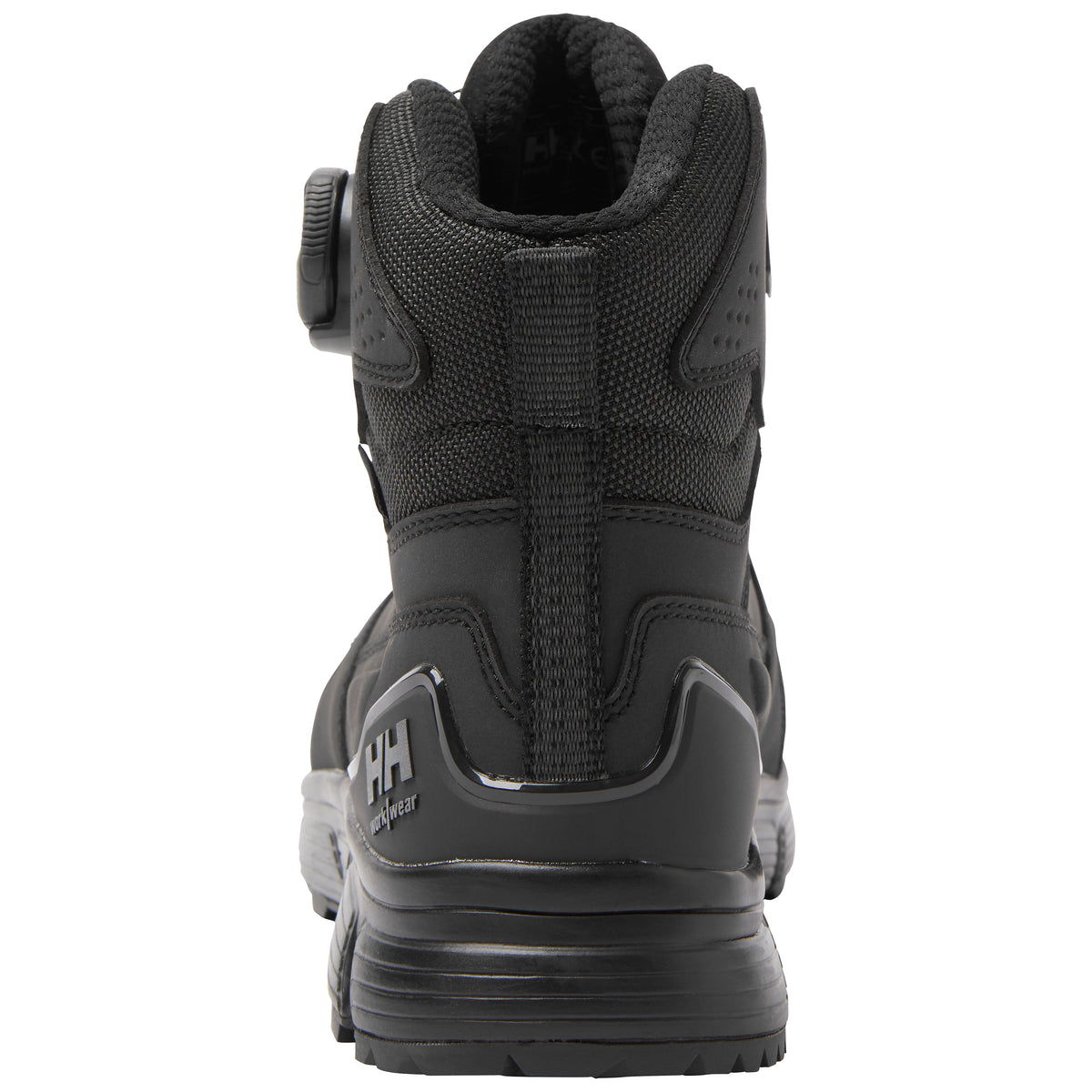
About safety shoes
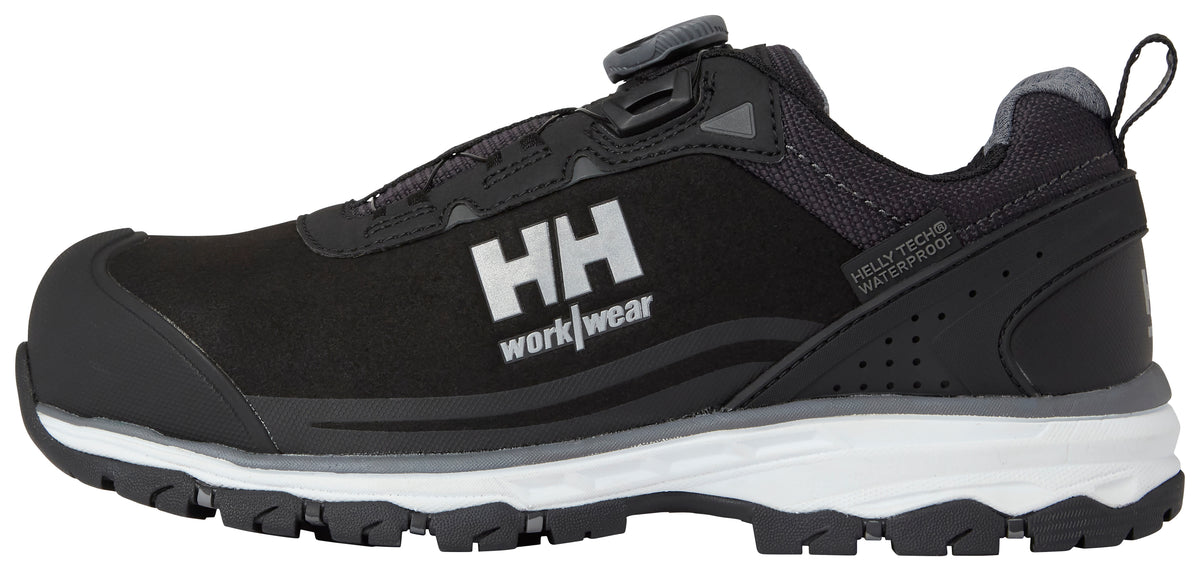
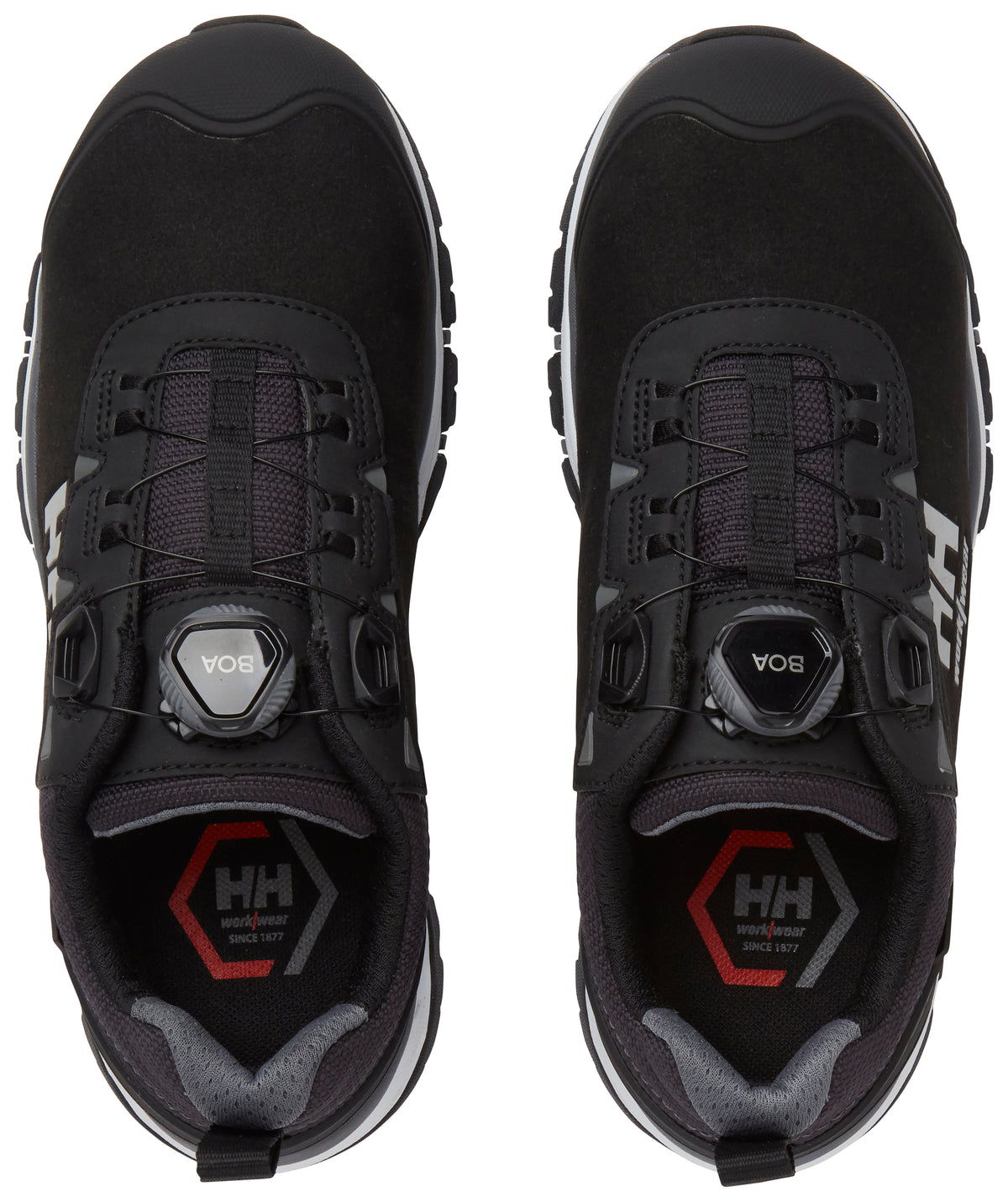
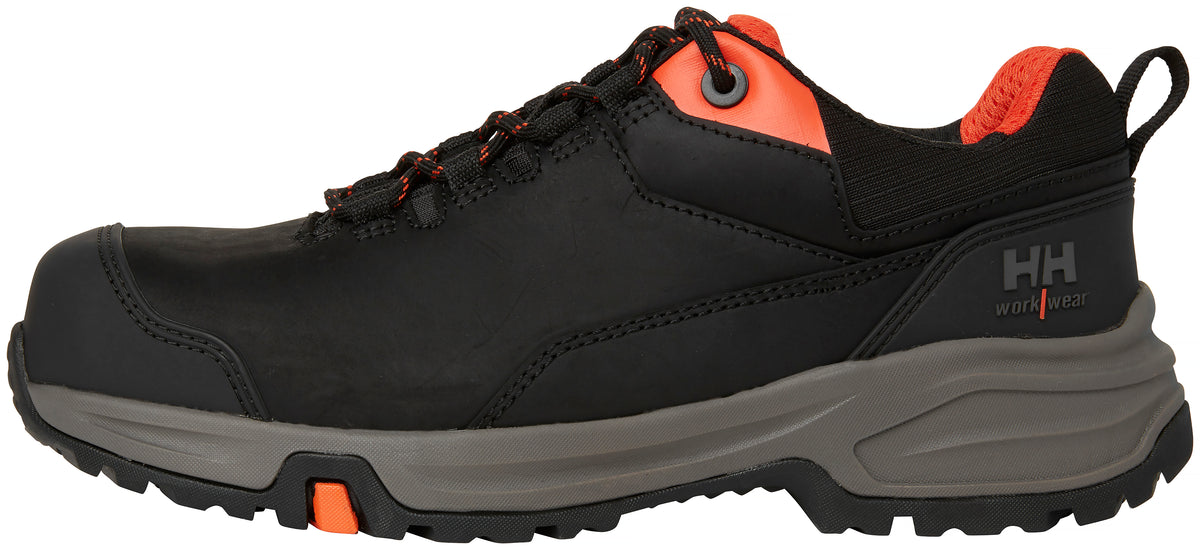
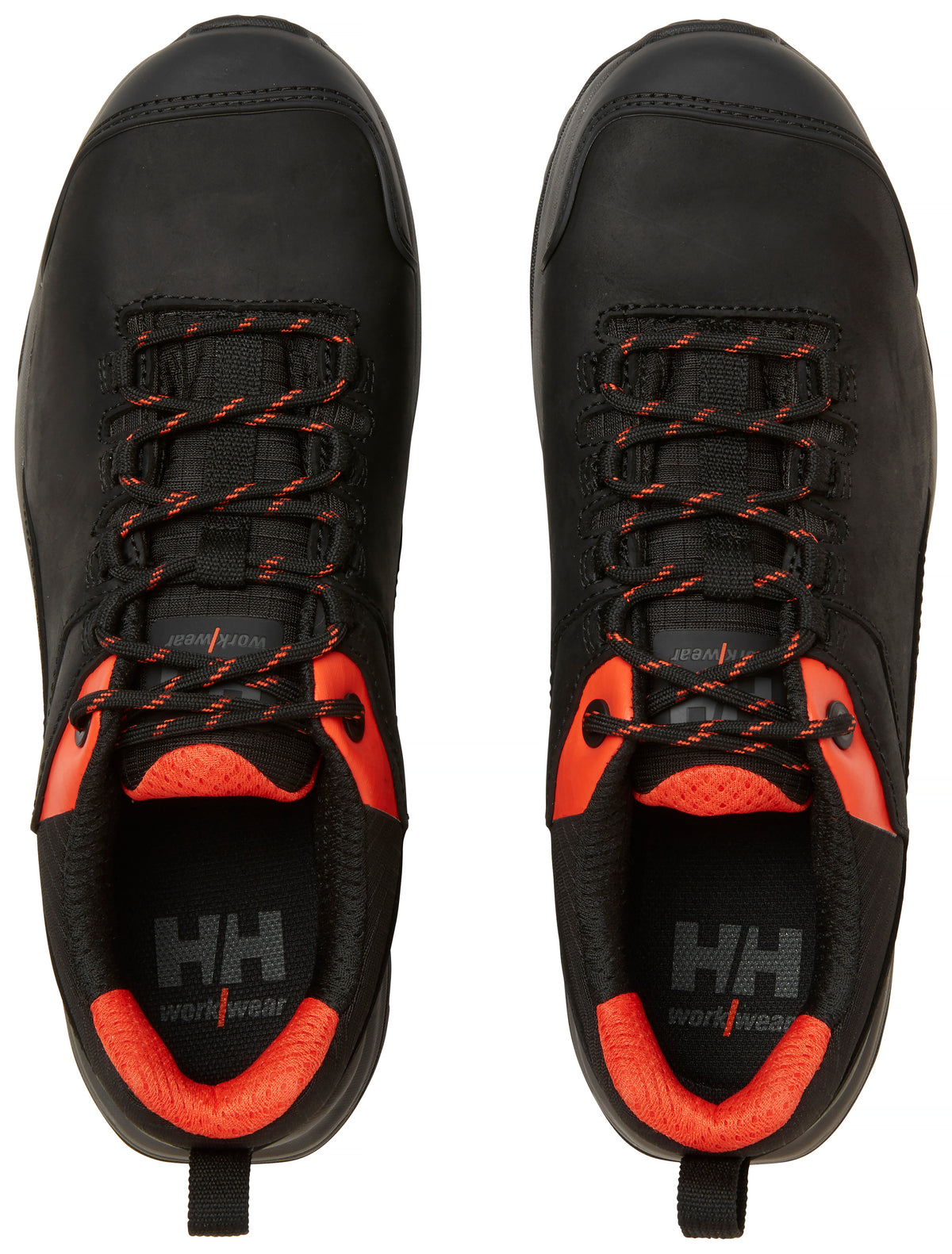
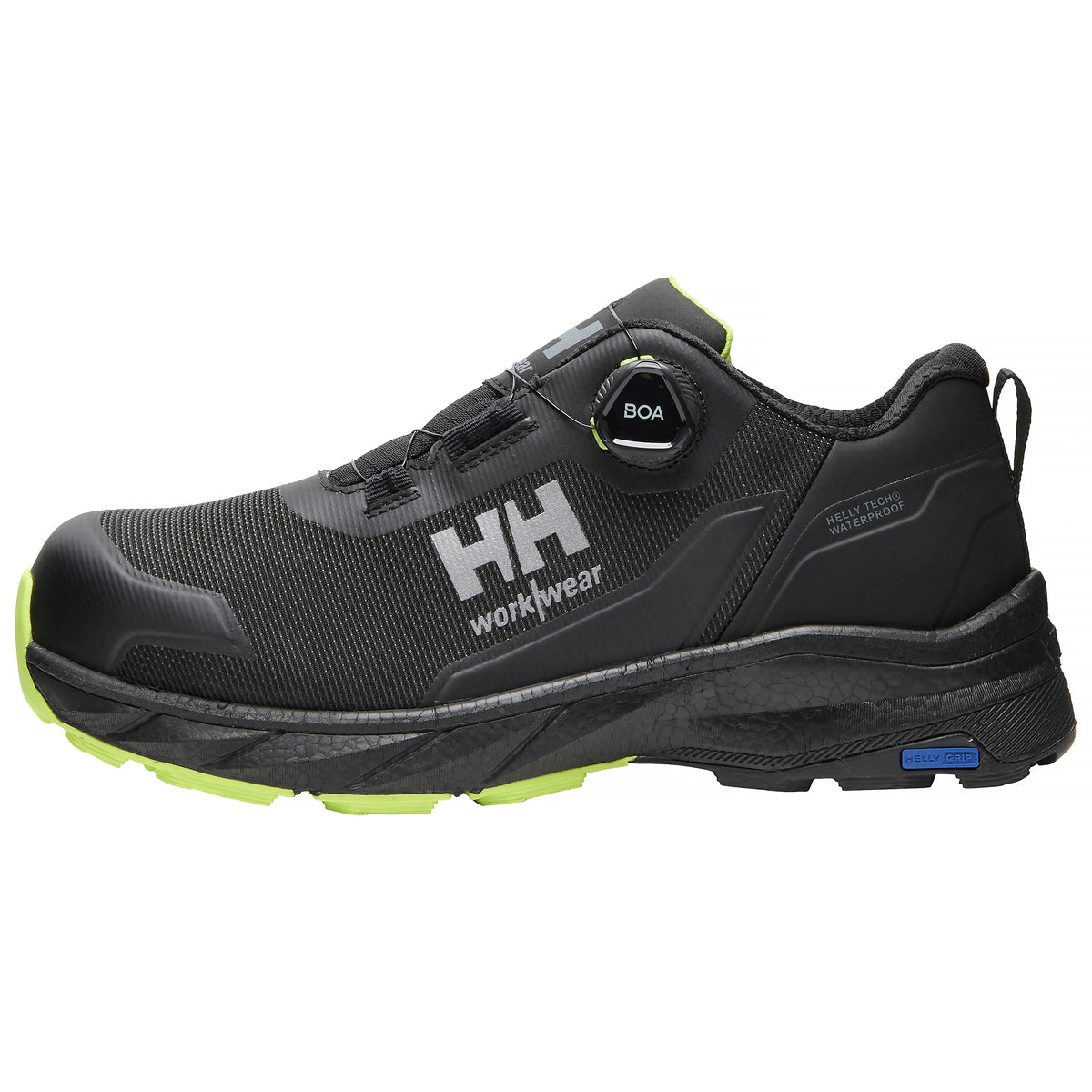
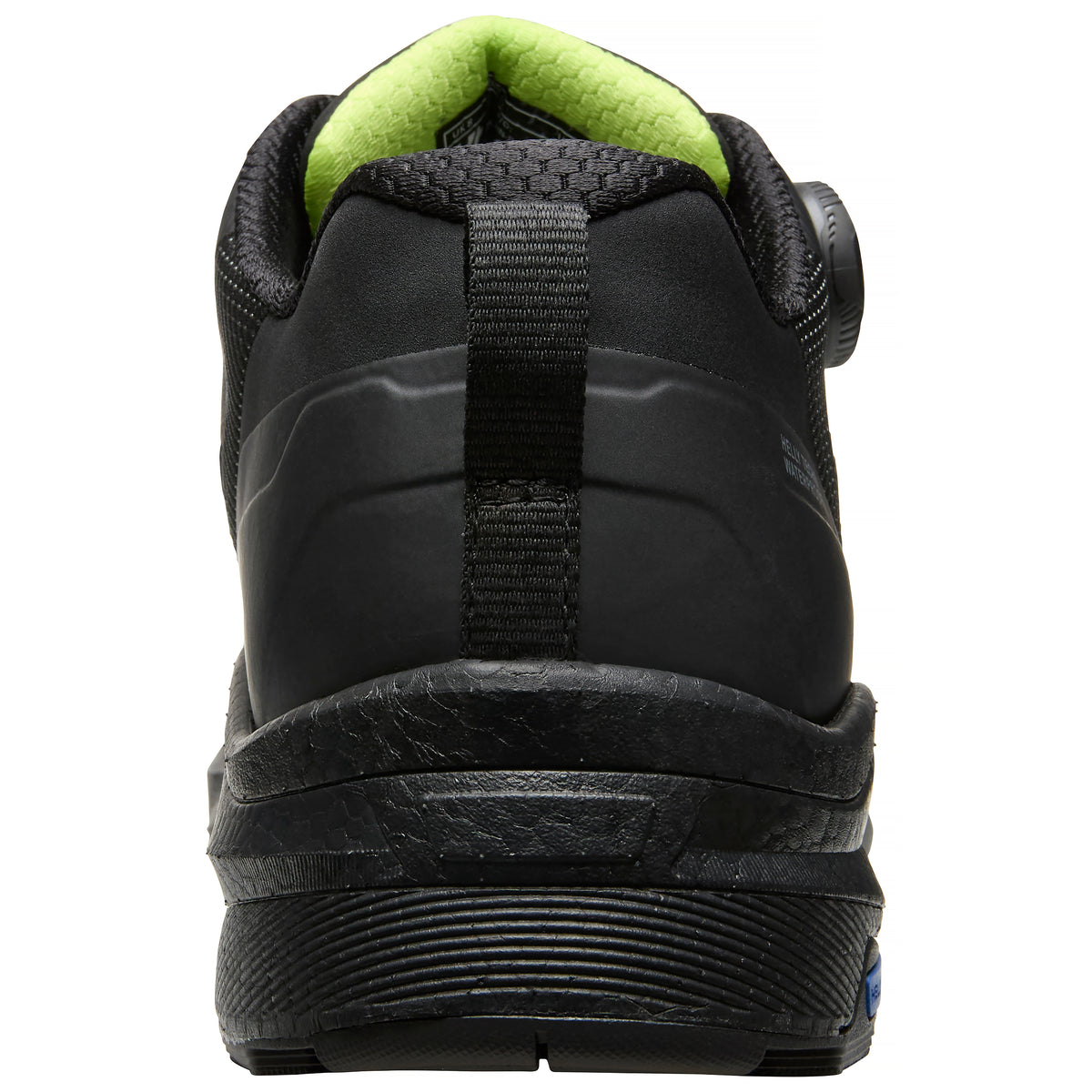
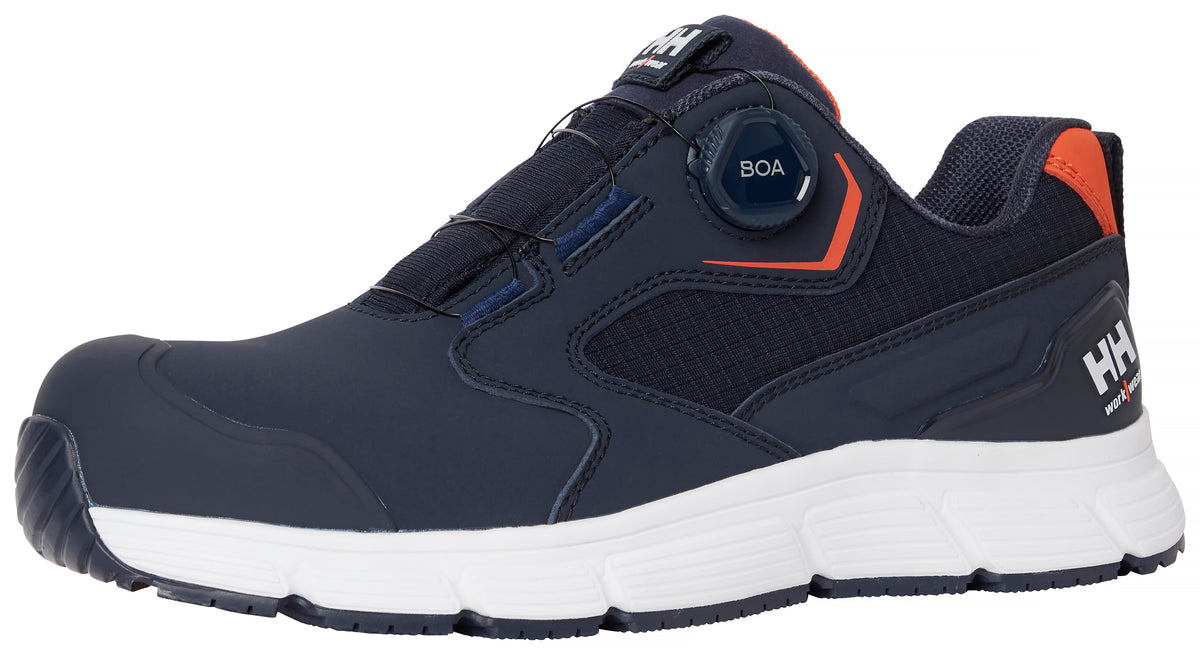
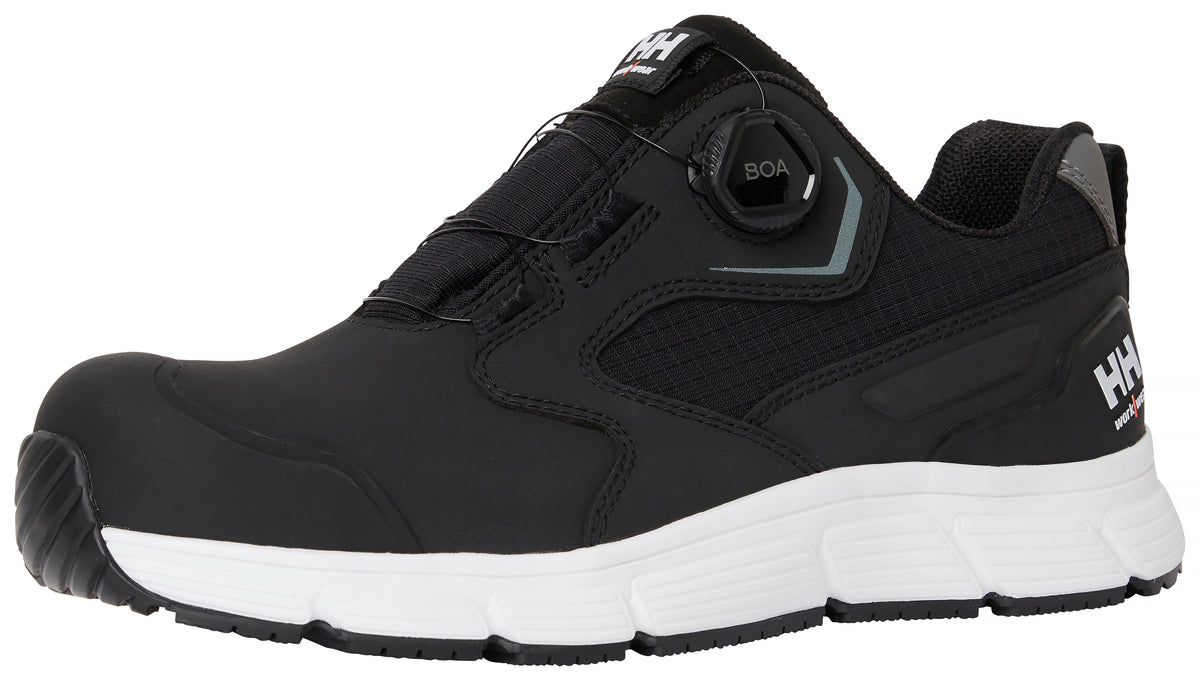
Choose the class according to the risk assessment and the model according to the work. S1P is often enough in dry indoor environments with sharp objects on the floor, and S3 is the standard choice on construction sites and outdoors. Metal free shoes with a composite toe cap are lighter and conduct less cold, and for the winter there are lined boots with a cold insulated sole. The class is stated in the product name and on the product page. Save the size per person in the company portal, so the next pair is right.
The safety classes S1 to S7 in EN ISO 20345
SB is the basic requirement: a toe cap that withstands 200 joules. S1 adds a closed heel, antistatic properties and a shock absorbing heel, and S1P also has puncture protection. S2 is S1 with a water repellent upper. S3 is S2 with puncture protection and a cleated sole. S4 and S5 apply to moulded boots in rubber or polymer, where S5 has puncture protection and a cleated sole. The 2022 edition of the standard added S6 and S7, which are S2 and S3 respectively with a waterproof shoe.
The letters after the class
SR states that the sole has passed the standard's extended slip test, HRO a heat resistant outsole, CI a cold insulated and HI a heat insulated sole, FO a fuel oil resistant sole and SC scuff protection over the toe. M means metatarsal protection, AN ankle protection and LG grip on ladder rungs. An L or S directly after the class, as in S3S or S1PL, shows that the puncture protection is non metallic and tested with a thicker (L) or thinner (S) nail. ESD means that the shoe dissipates static electricity according to EN 61340.
Metal free, winter, ESD and welding
Composite toe caps and textile puncture protection are certified against the same requirements as steel and weigh less, and fully metal free shoes work where metal detectors are used. Winter boots with a lined upper and CI in the marking keep the warmth on cold surfaces. ESD shoes are used where static discharge can damage electronics and work together with a dissipative floor. For welding and foundries there are boots that are tested against splashes of molten metal.
Frequently asked questions about safety shoes
What do S1 and S1P mean on safety shoes?
S1 is a safety shoe with a toe cap that withstands 200 joules, a closed heel, antistatic properties and a shock absorbing heel. S1P also has puncture protection. The upper does not need to be water repellent, so S1 and S1P suit dry environments such as warehouses and indoor workshops. The risk assessment decides which class is required.
What is the difference between S1P and S3?
Both have a toe cap and puncture protection. S3 also has a water repellent upper and a cleated sole with better grip, which is why S3 is standard on construction sites and outdoors, while S1P is enough in dry indoor environments such as warehouses and workshops. The risk assessment decides which class is required.
Safety shoe or safety boot?
The classes are the same, the difference is the shaft. A safety boot goes over the ankle, gives more support on uneven ground and keeps out gravel and snow, and suits construction and outdoor work. A low safety shoe is lighter and cooler indoors. AN in the marking means that the boot has tested ankle protection.
Which safety shoes suit the winter?
Choose a lined boot in class S3 or S7 with CI in the marking, which means that the sole is tested for insulation against cold. S7 is also waterproof, which helps in slush. A composite toe cap conducts less cold than steel. Lined safety wellingtons are among the boots, and ice grips among the shoe accessories.
Are metal free safety shoes as safe as steel?
Yes, composite toe caps and textile puncture protection are certified against the same requirements in EN ISO 20345 as steel, with a toe cap that withstands 200 joules. Metal free shoes are often lighter and conduct less cold, and fully metal free models work where metal detectors are used.
Can the whole team order safety shoes in their sizes?
Yes. Choose the models and classes the risk assessment requires, and the size is saved per person in the company portal and each colleague orders their own pair within the range you have approved. The next pair is right without anyone having to measure again.