












About coveralls
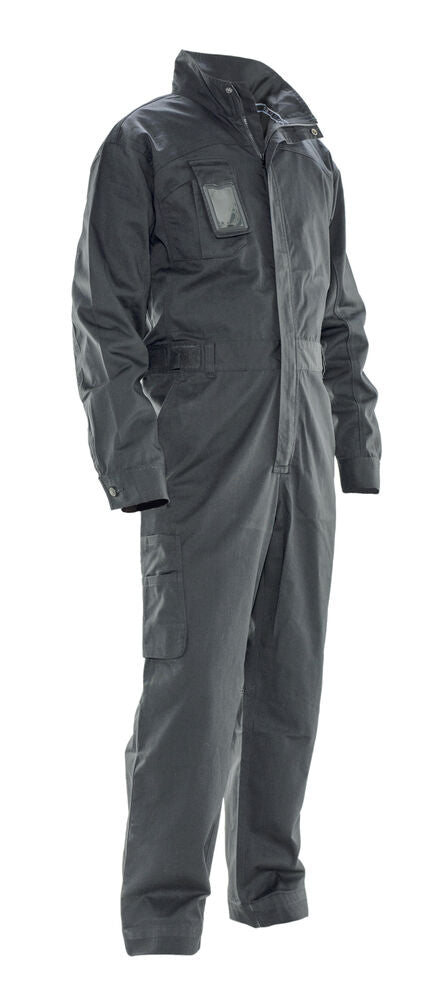
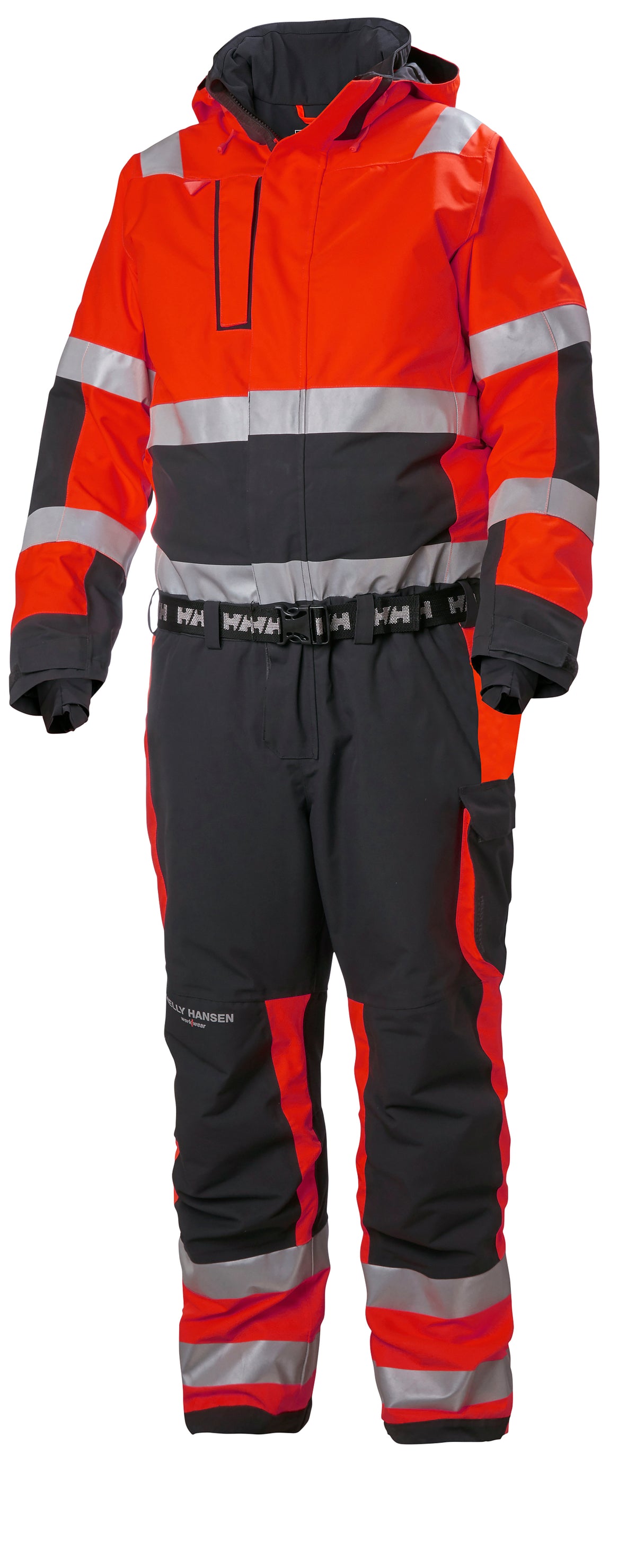
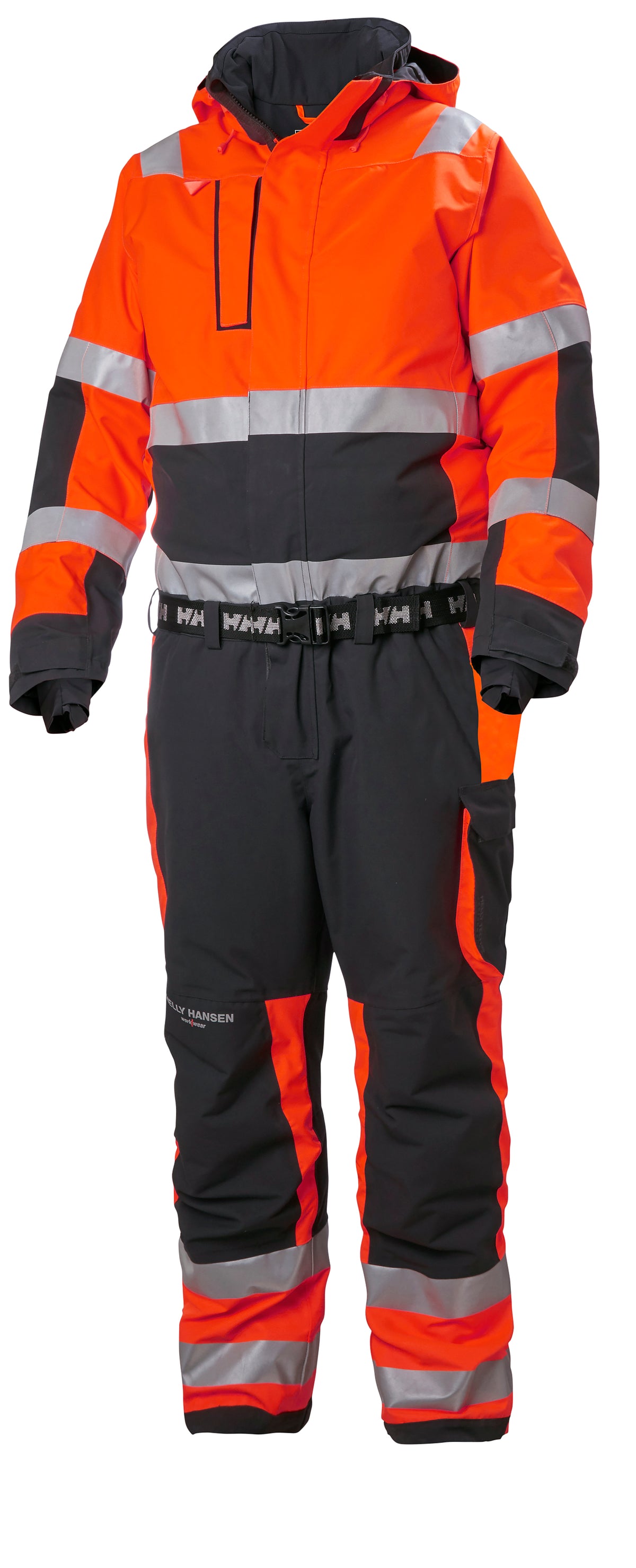
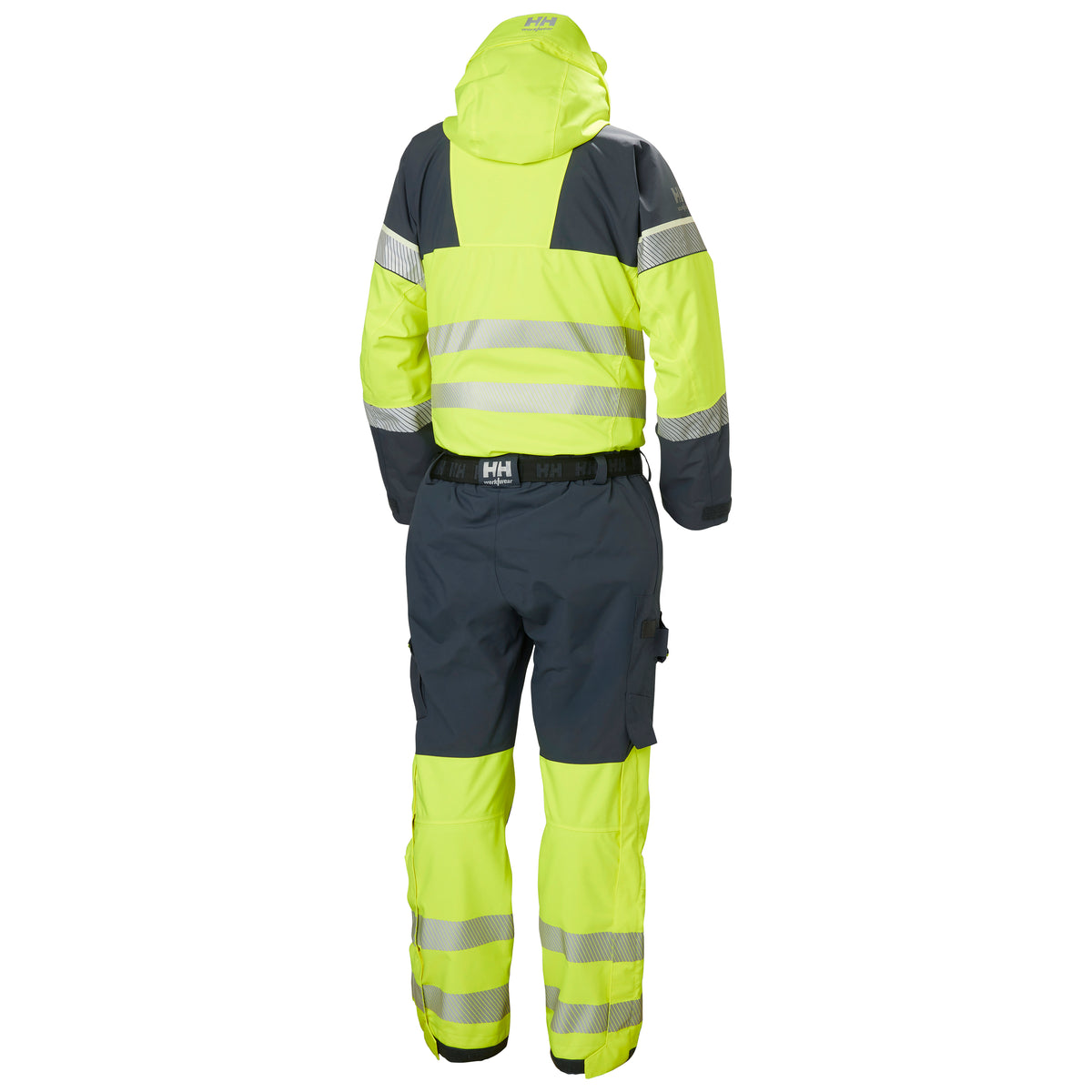
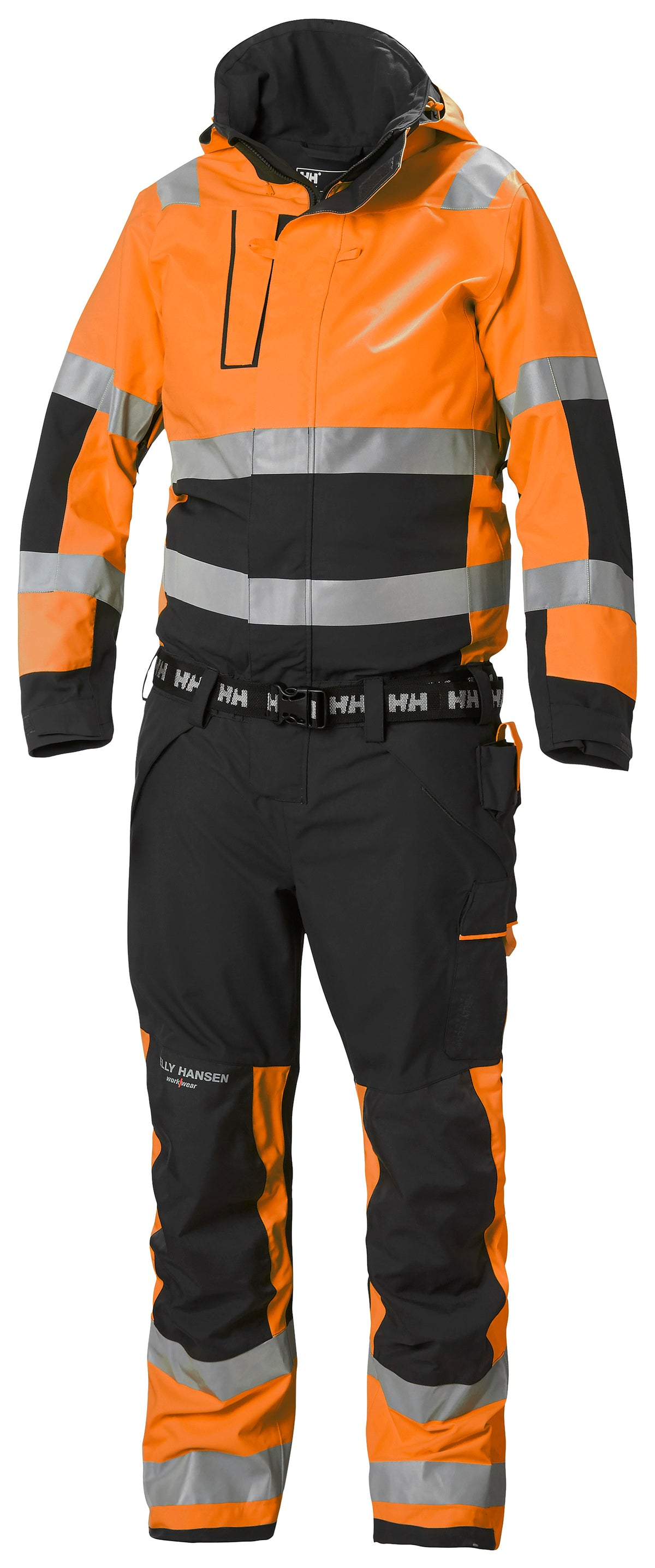
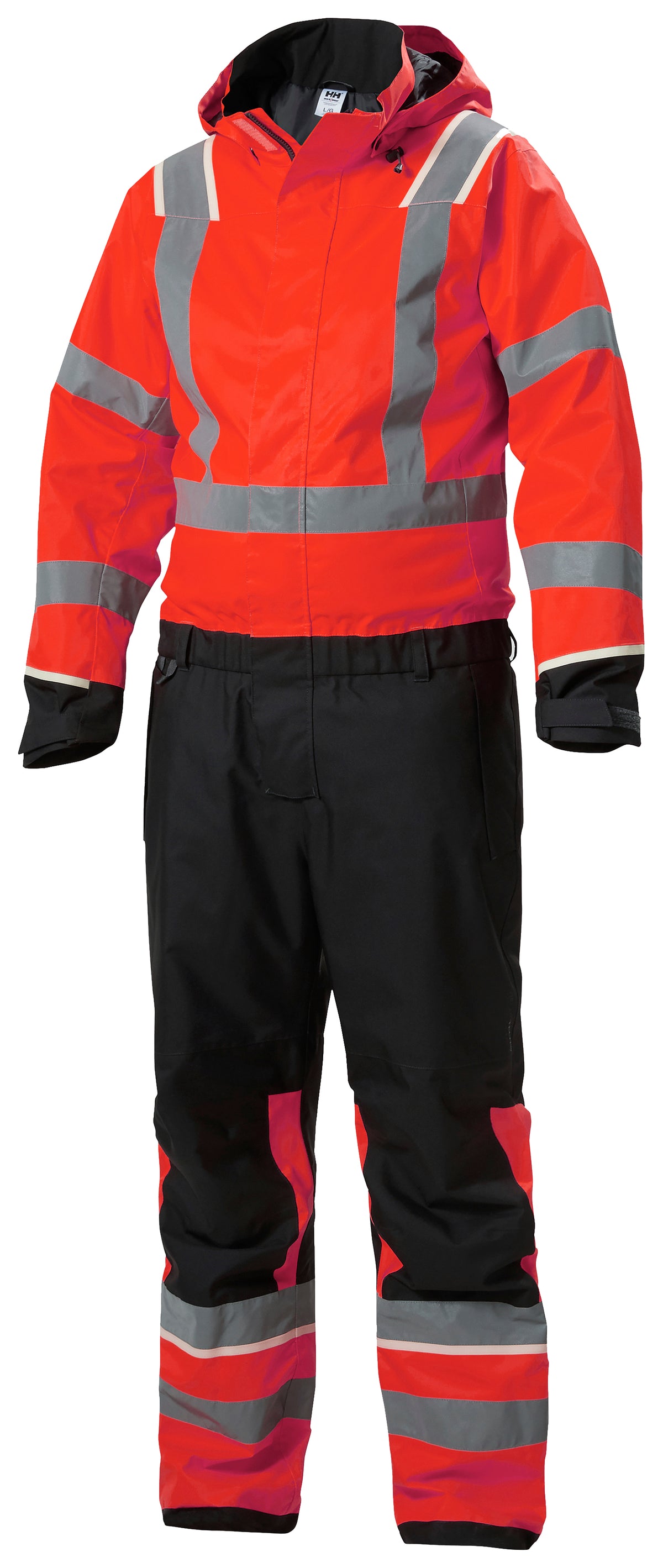
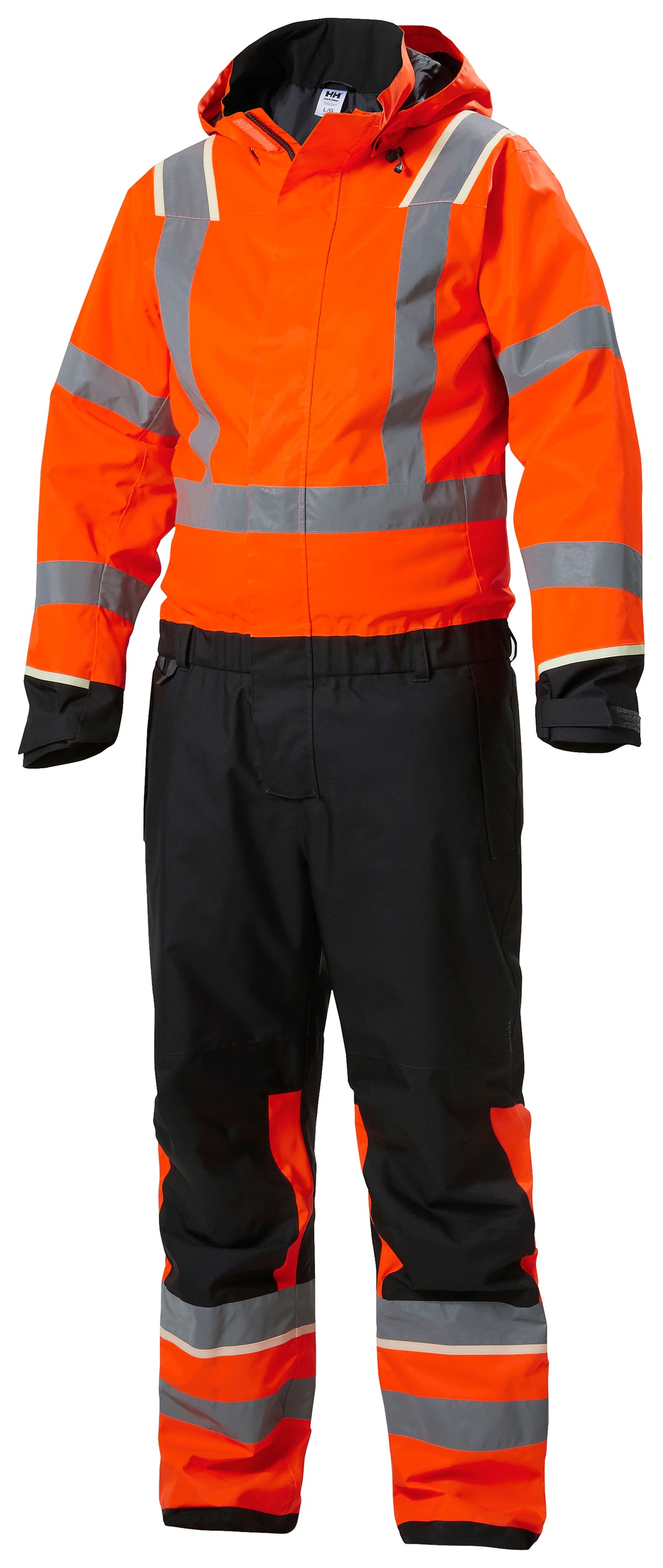
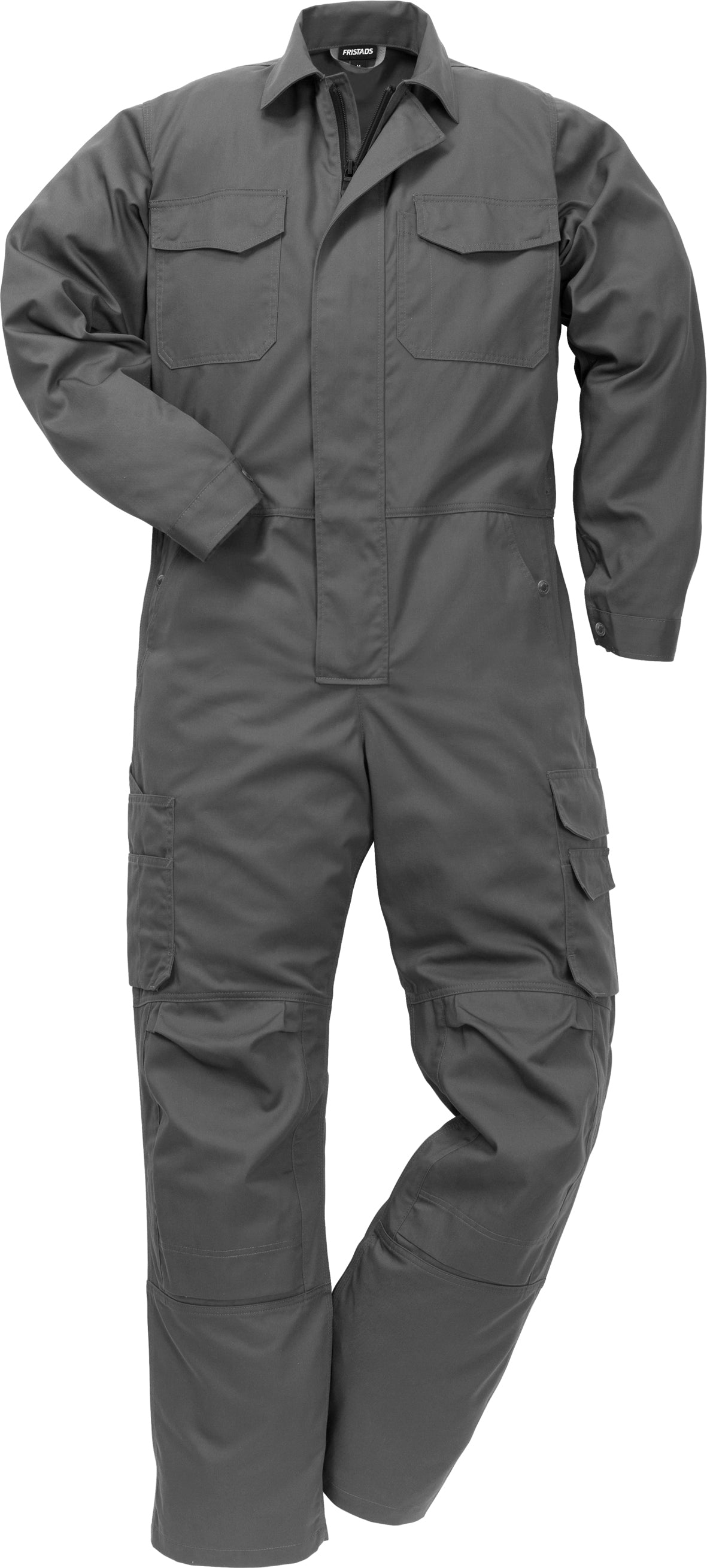
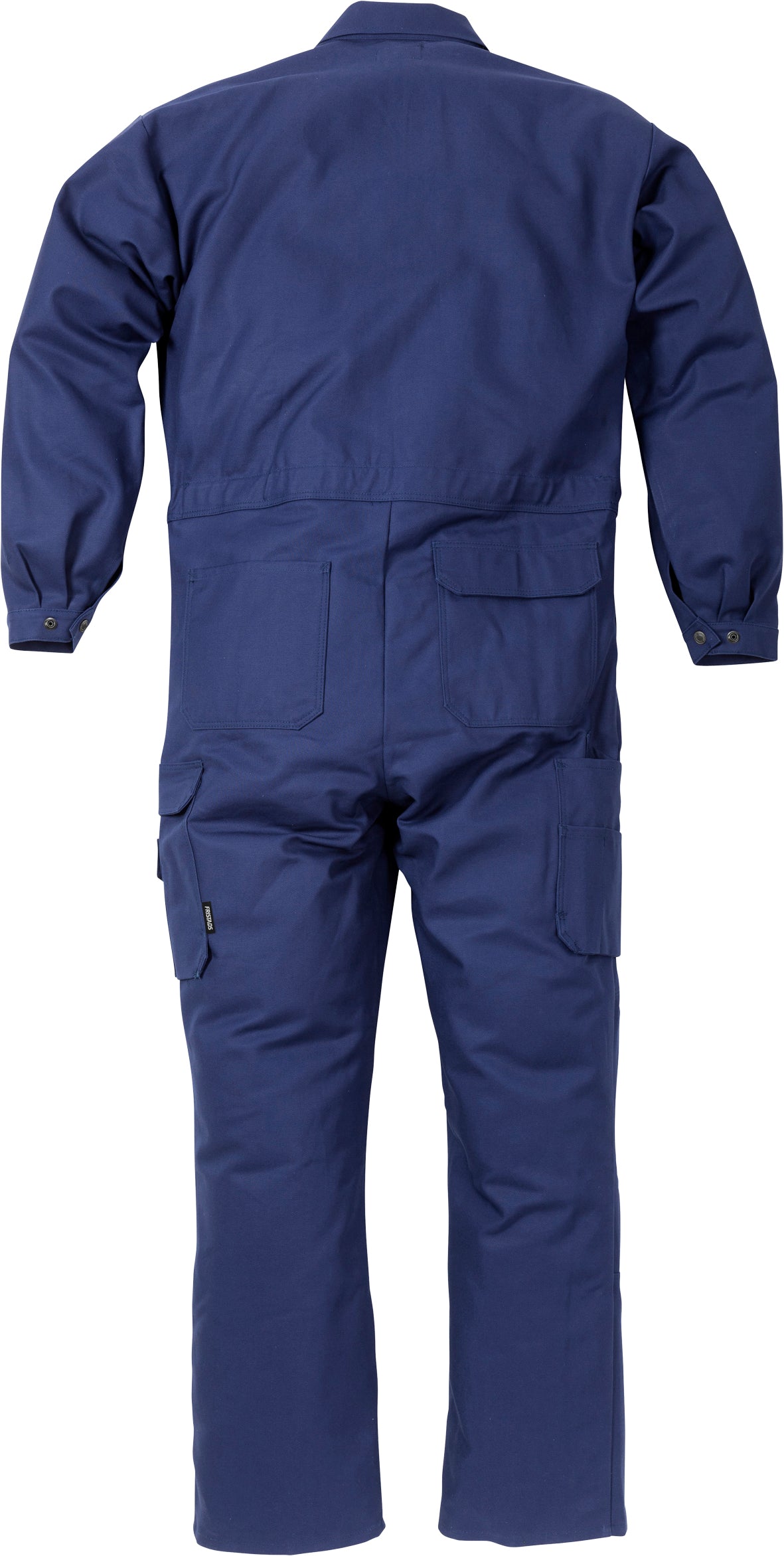
The coverall protects the whole body in one garment, without a gap at the back when you lie under a machine. Choose according to the risk. Cold requires a lined winter coverall and work near traffic a coverall with a hi-vis class according to EN ISO 20471. Flames and welding spatter require flame protection according to EN ISO 11612, and chemicals a protective coverall with the right type class, where the safety data sheet decides. Prices are shown excl. VAT, and contract customers see their prices when they log in.
Disposable coveralls type 3, 4, 5 and 6
Disposable coveralls are classified according to what they keep out. Type 6 according to EN 13034 gives limited protection against light splashes, type 5 according to EN ISO 13982-1 protects against solid particles and dust, type 4 according to EN 14605 resists spray and type 3 according to the same standard resists a liquid jet. A coverall marked type 5/6 handles dust and light splashes but not spray painting. The requirement is stated in section 8 of the chemical's safety data sheet.
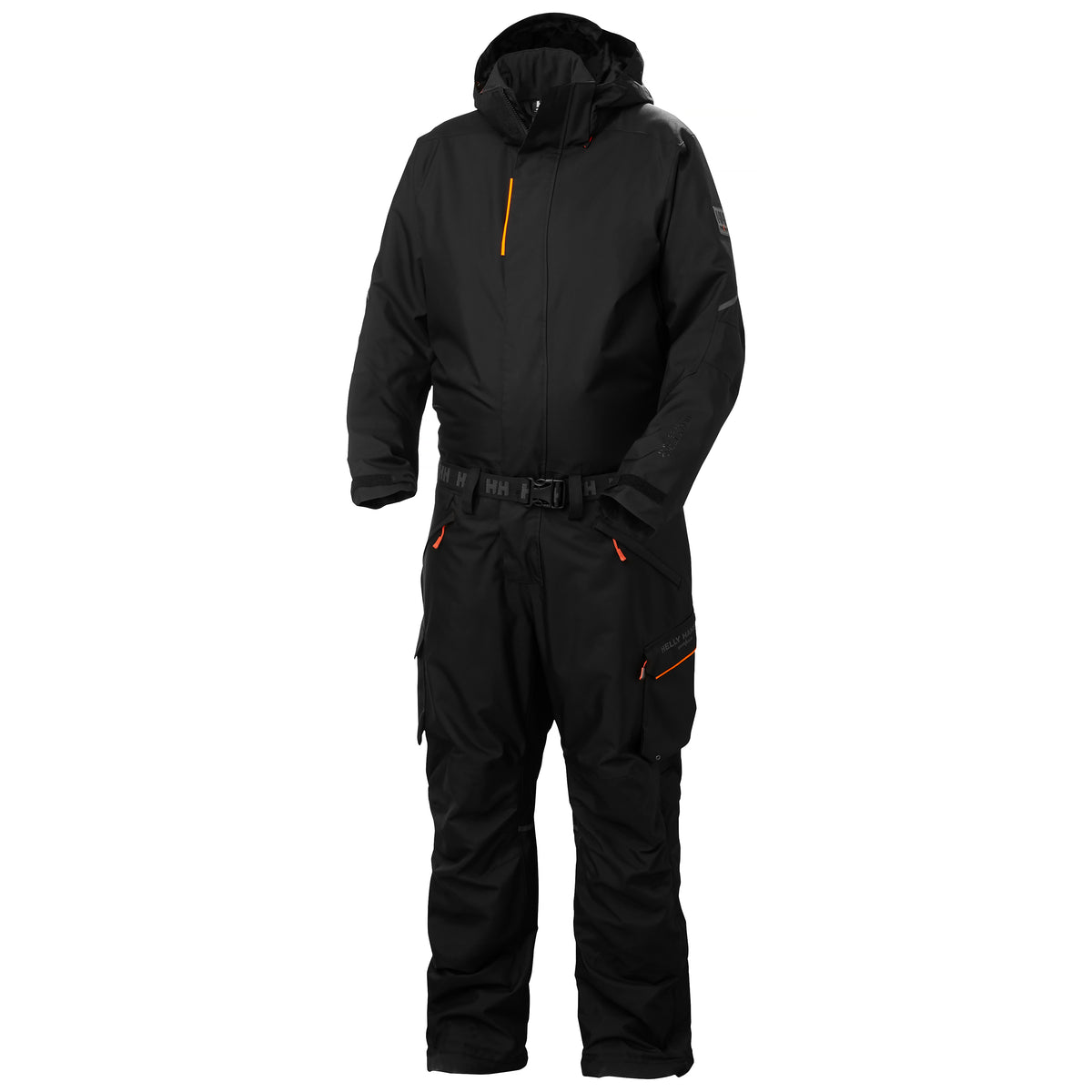
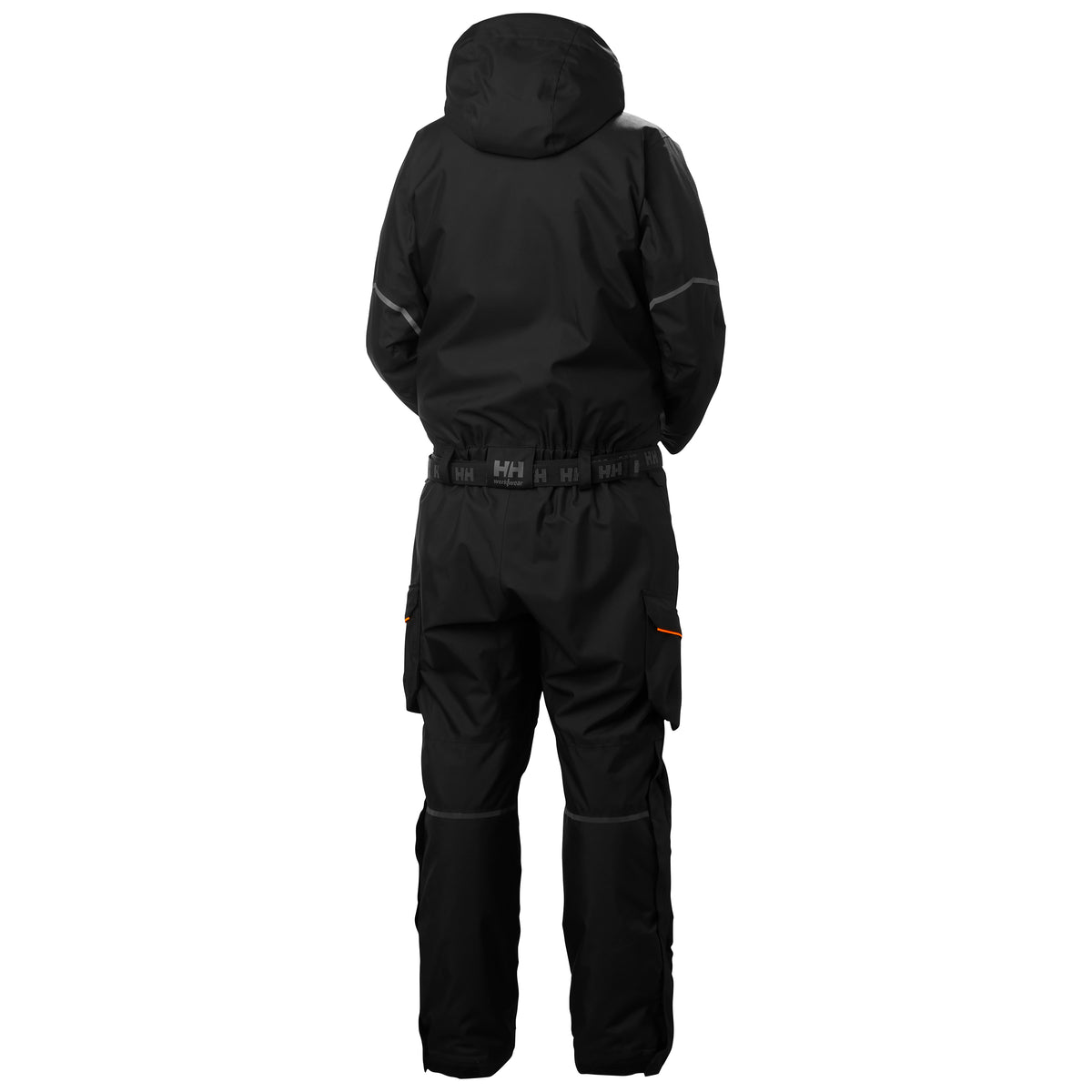
Winter coveralls for cold
A lined winter coverall keeps the warmth without a gap between jacket and trousers, which suits stationary work in the cold, for example machine operators and work in ports or on roads. Coveralls for cold below minus 5 °C can be certified according to EN 342, and the marking states the garment's insulation. Choose the size so that you can move with a layer underneath, and preferably a model with zips in the legs if the coverall is to be pulled on over boots.
Flame protection, welding and antistatic
Flame retardant coveralls are tested according to EN ISO 11612, where the letters A to F state which heat risks the garment is tested against. The welding coverall is also tested according to EN ISO 11611 in class 1 or 2, where class 2 applies to welding methods with more spatter and radiant heat. Antistatic coveralls according to EN 1149-5 are used where discharges can ignite gas or dust. Multi standard coveralls combine several of the protections in the same garment.
Frequently asked questions about coveralls
What is the difference between a work coverall and a protective coverall?
A work coverall protects clothes and body against dirt and wear. A protective coverall is also tested against a specific risk according to a standard, for example flame protection according to EN ISO 11612, hi-vis according to EN ISO 20471 or dust and chemical splashes as type 5/6. The risk assessment decides which protection is required.
What does type 5/6 mean on a disposable coverall?
That the coverall is tested for two protections: type 5 according to EN ISO 13982-1 against solid particles and dust, and type 6 according to EN 13034 against limited, light liquid splashes. It suits sanding, insulation and handling of diluted chemicals, but not spray or liquid jets, which require type 4 or type 3.
Can coveralls be marked with a logo?
Yes, coveralls in cotton and polycotton and winter coveralls can be marked with embroidery or transfer on the chest and back. On flame retardant coveralls flame retardant thread is used, and on hi-vis coveralls the logo is placed so that the class is preserved. Disposable coveralls are rarely marked. You see the placement in the proof.
Which coverall suits a workshop?
A coverall in polycotton or cotton that withstands washing, preferably with a concealed zip or concealed buttons that do not scratch and do not catch. Knee pad pockets make work on the floor easier. If you weld or handle flammable liquids, the risk assessment decides whether the coverall needs flame protection or antistatic properties.
Is a winter coverall or a jacket and trousers better in the cold?
It depends on the work. The coverall has no gap at the waist and keeps the warmth better during stationary work and when you bend. Jacket and trousers are easier to adapt, since the jacket can be taken off when it gets warm. A coverall suits machine operators, jacket and trousers suit work on the move.
Are there coveralls for women?
Yes, there are coveralls in a women's model with a different fit over the hips, waist and chest. The fit is especially important on a coverall, since it has to reach from shoulder to foot without pulling when you bend. Use the manufacturer's size chart for the model.