






About respiratory protection
The choice starts in the risk assessment and the safety data sheet: which substance, in which form and at which concentration. Dust, fumes and mist are stopped by particle filters, and gases and vapours require gas filters with the right letter for the substance. Filtering protection requires a normal oxygen level in the air, and the mask only protects when it seals tightly against the face. Contract customers see their prices when they log in.
FFP1, FFP2 and FFP3 according to EN 149
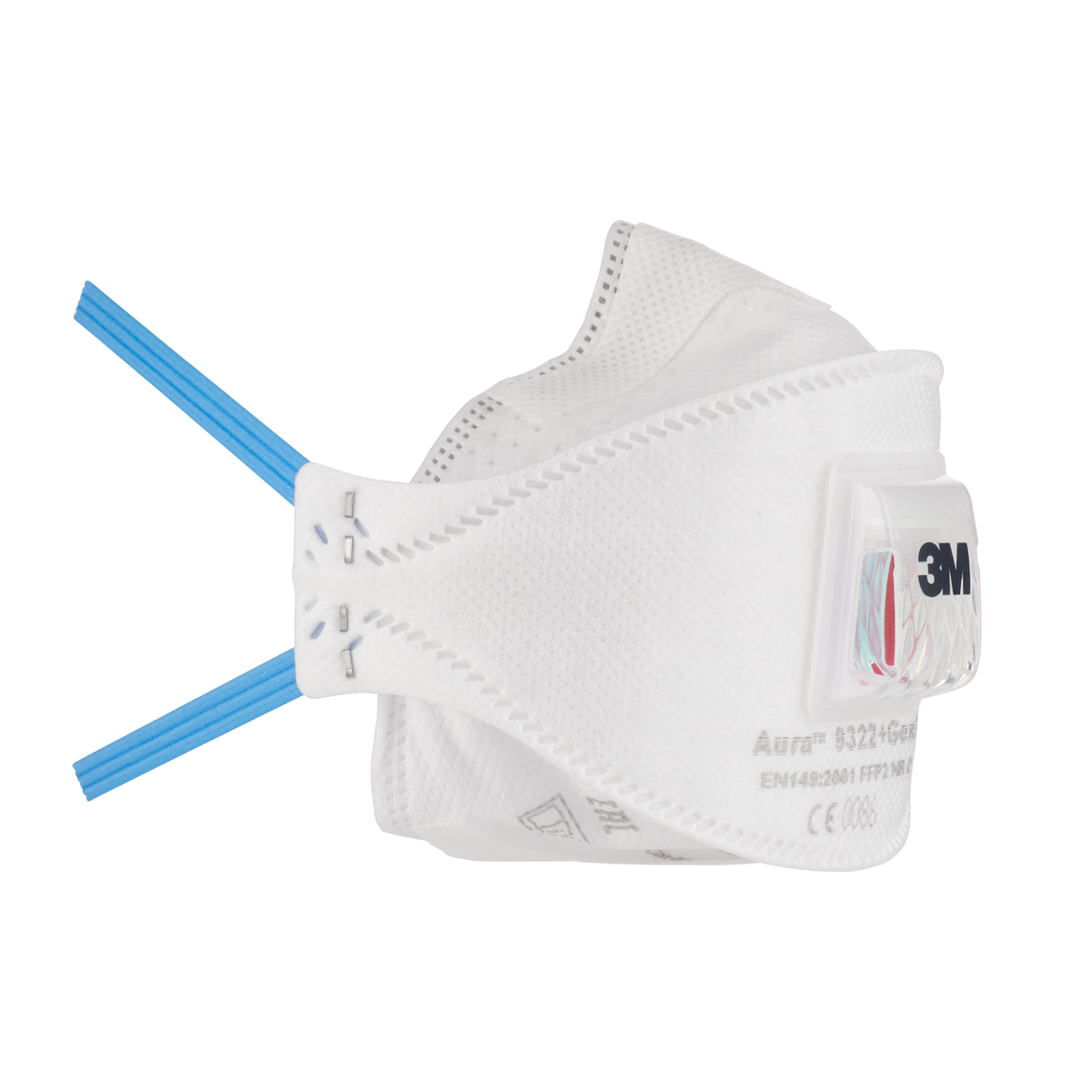
Filtering half masks are tested according to EN 149 and divided into three protection classes according to filtration and leakage. The filter must stop at least 80 % of the test particles in FFP1, 94 % in FFP2 and 99 % in FFP3, and the total inward leakage may be at most 22, 8 and 2 % respectively. NR means that the mask is intended for one work shift, R that it may be reused. D means that the mask has passed the clogging test with dolomite dust, so that the breathing resistance stays low for longer in dusty environments.
Half masks, full face masks and filters
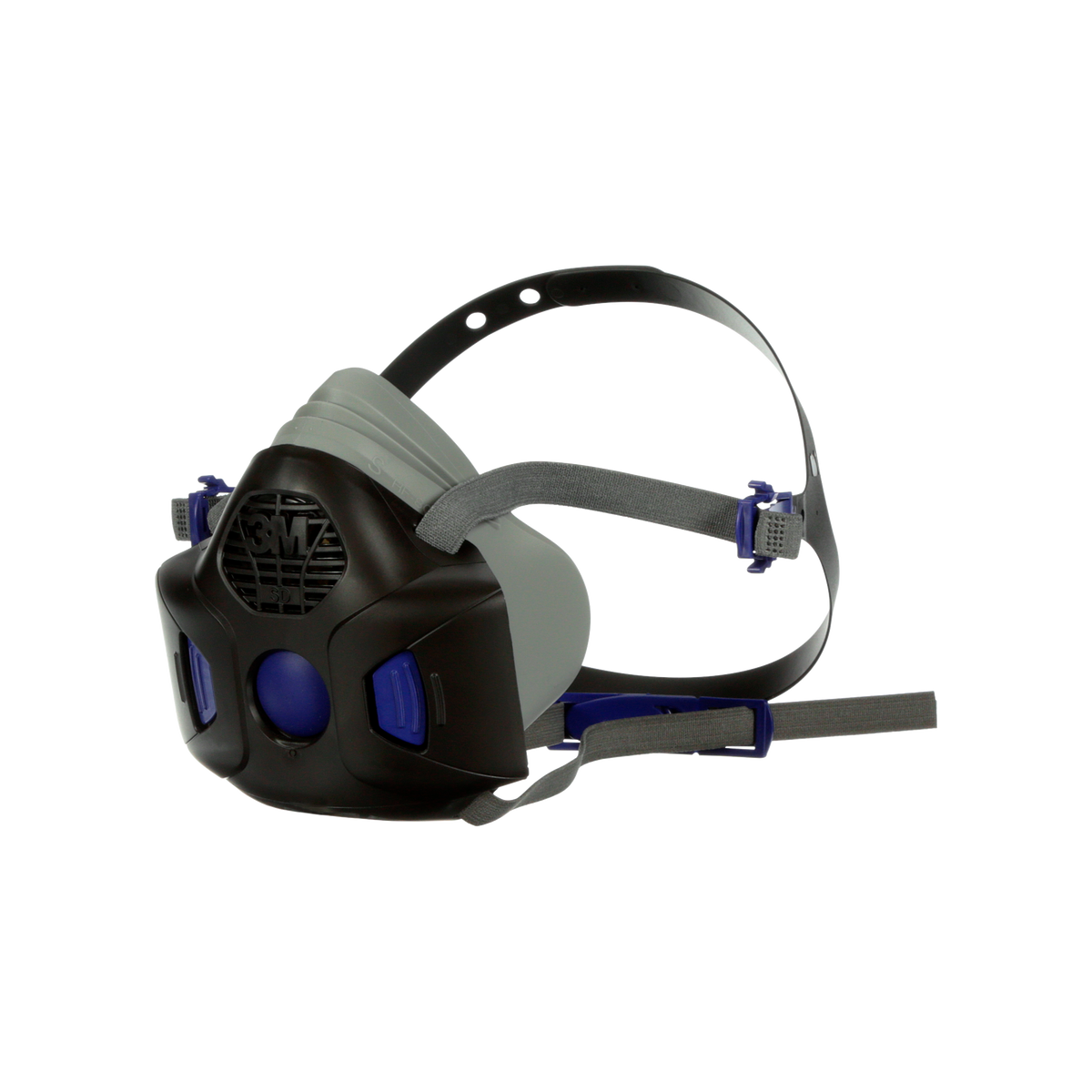
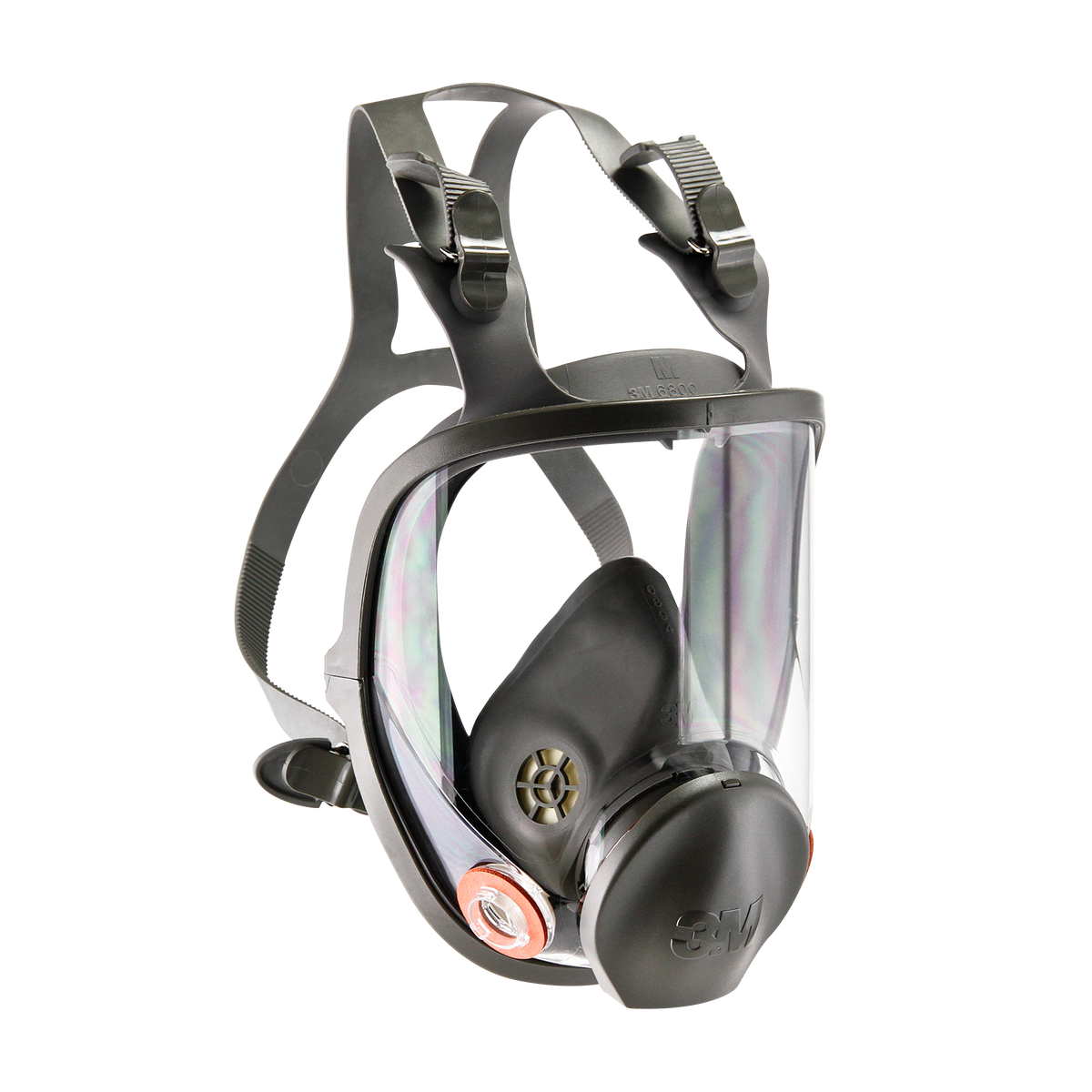
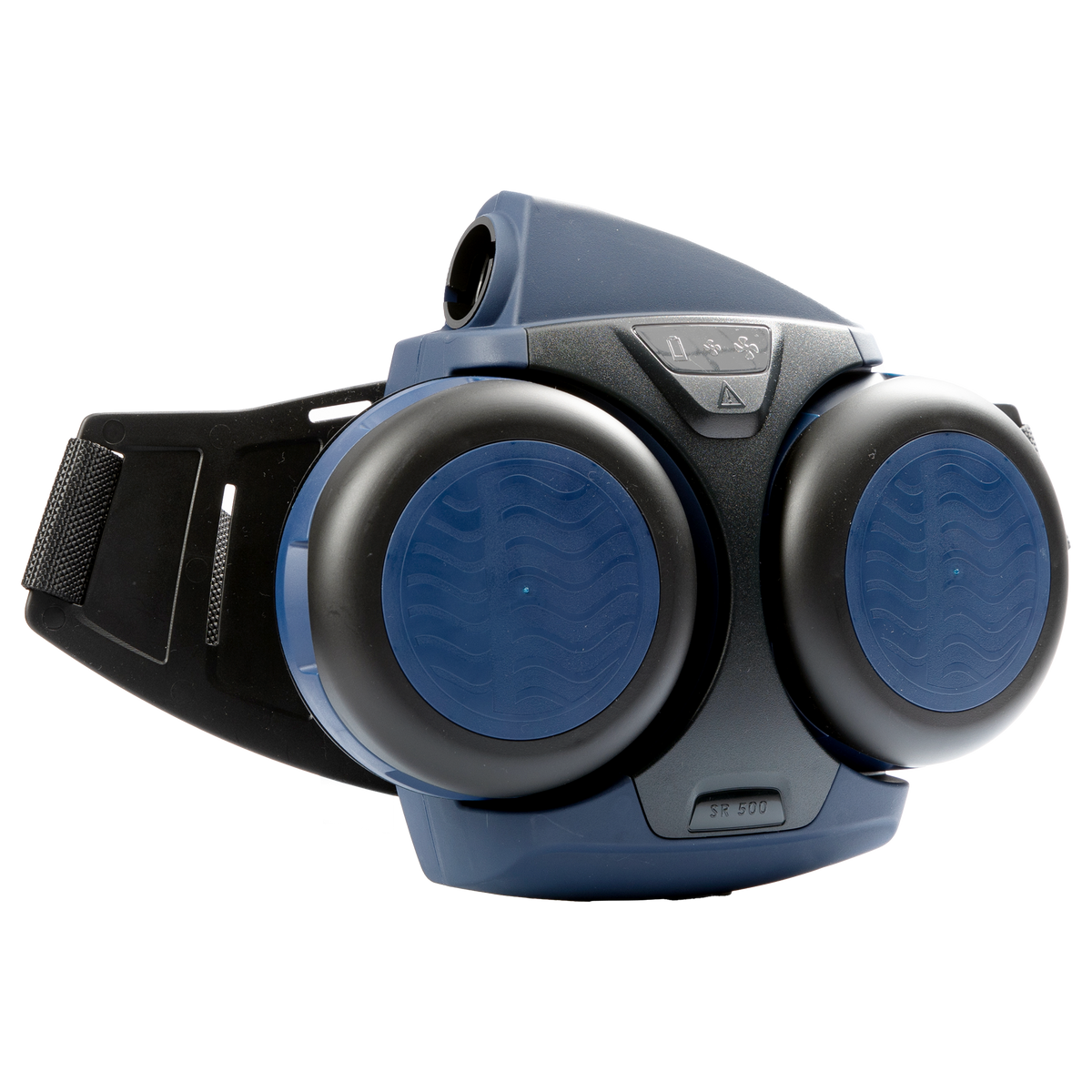
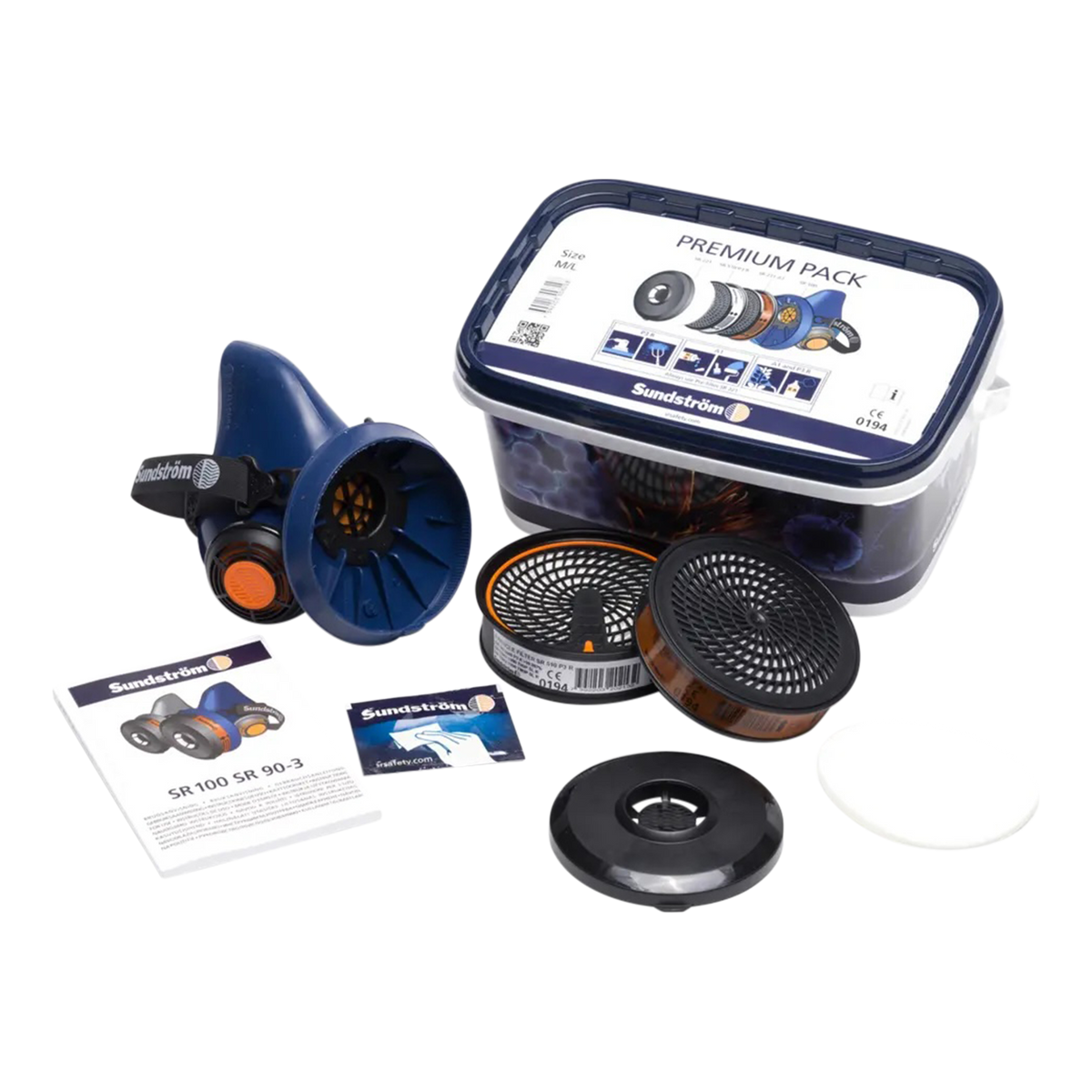
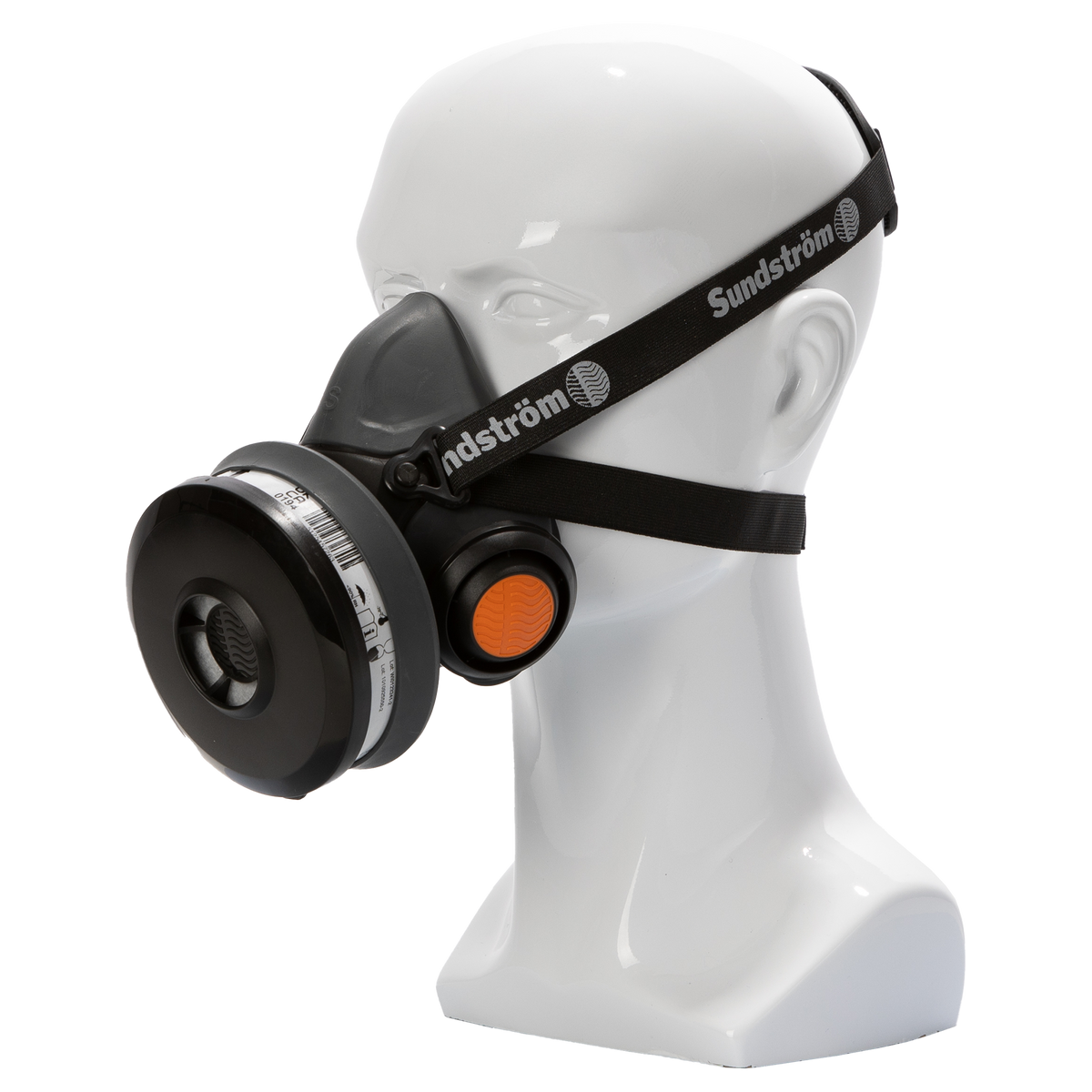
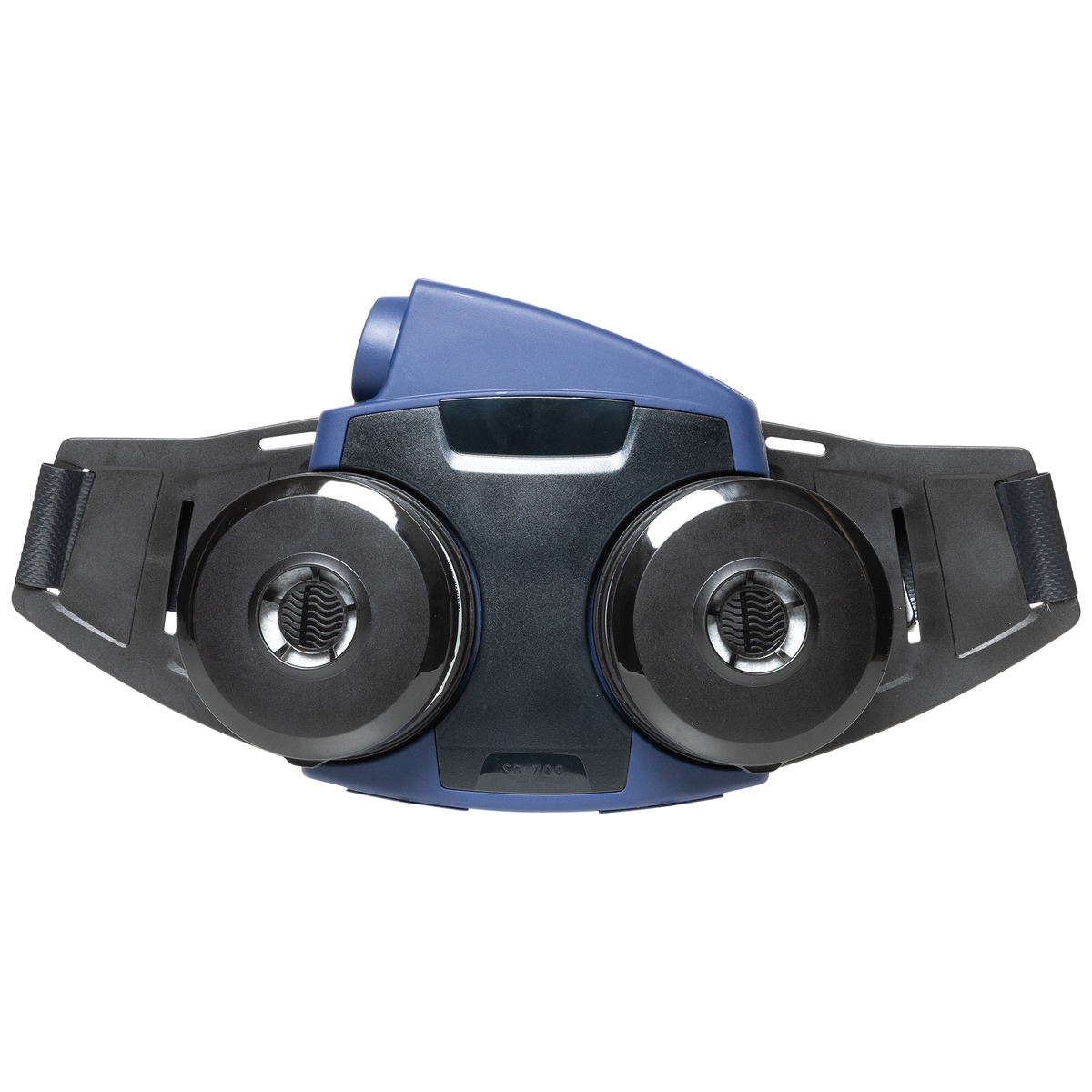
Half masks according to EN 140 and full face masks according to EN 136 are used with replaceable filters. Particle filters are tested according to EN 143 in the classes P1, P2 and P3. Gas filters and combination filters are tested according to EN 14387 and marked with a letter and colour: A, brown, for organic gases and vapours with a boiling point above 65 °C, B, grey, for inorganic, E, yellow, for acid gases and K, green, for ammonia. The number 1, 2 or 3 states the capacity. Check that the filter fits the mask's connection, bayonet or standard thread according to EN 148-1.
Fit, valve and replacement
Beards and stubble where the mask rests break the seal, and a fit test shows whether the model suits the person who will wear it. An exhalation valve reduces heat and moisture in the mask but does not affect how well it filters the air breathed in. Replace filtering masks and particle filters when the breathing resistance increases, and gas filters according to the manufacturer's instructions, at the latest when you notice a smell or taste. Store filters sealed when they are not in use.
Frequently asked questions about respiratory protection
What is the difference between FFP2 and FFP3?
FFP3 has the highest protection class according to EN 149: the filter must stop at least 99 % of the test particles and the inward leakage may be at most 2 %. FFP2 must stop at least 94 % with at most 8 % inward leakage. FFP3 is chosen when the dust is more hazardous to health or the concentration higher, and the risk assessment decides the class.
What is the difference between FFP3 and P3 filters?
FFP3 is a filtering half mask according to EN 149, where the whole mask is the filter and is discarded or reused according to the marking. P3 is the highest class of replaceable particle filters according to EN 143 and sits on a half mask or full face mask. With P3 the filter is replaced while the mask is kept. Both protect against particles, not against gases.
Does an FFP mask protect against gases and solvents?
No. FFP masks filter particles such as dust, fumes and liquid mist, but do not stop gases and vapours. Against solvents and other gases you need a half mask or full face mask with a gas filter in the right substance group according to EN 14387, for example A for organic solvents. Carbon layers in some masks only remove odour.
Which filter do we need for the half mask?
The one the safety data sheet and the risk assessment state for the substance. P3 protects against particles, A against organic gases and vapours, B against inorganic, E against acid gases and K against ammonia. Combination filters such as A2P3 or ABEK1P3 protect against both gas and particles. The filter must fit the mask's connection.
How long can you use an FFP mask?
A mask marked NR is used during one work shift and then discarded. A mask marked R may be reused according to the manufacturer's instructions. Always replace the mask earlier if it is damaged, dirty on the inside or if it becomes hard to breathe through it.
Can you wear respiratory protection with a beard?
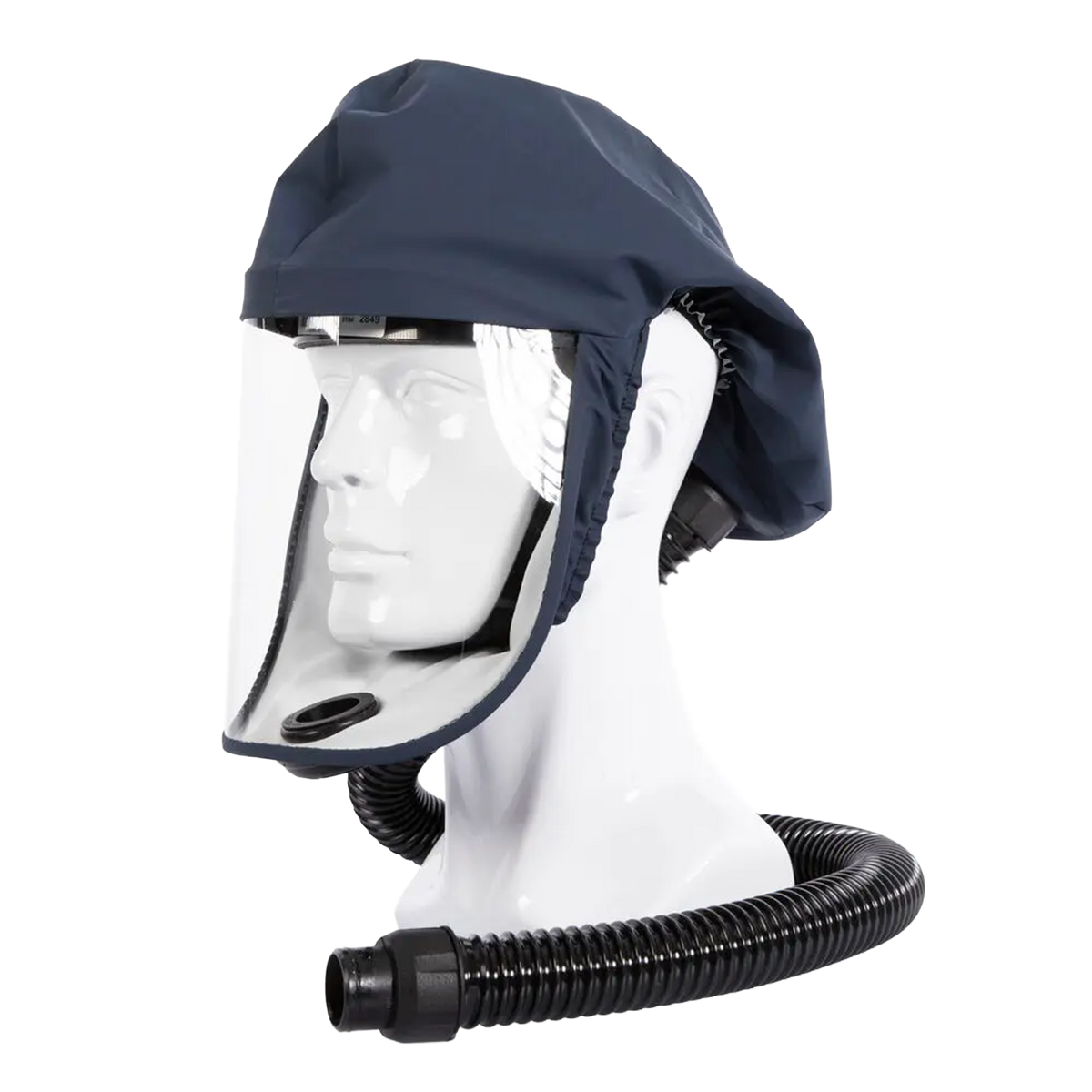
Not tight fitting respiratory protection. Beards and stubble where the mask rests let air leak in at the edge, and then the mask protects much less than the class states. Those who have a beard need respiratory protection that does not rely on a seal against the skin, for example with a hood and fan.